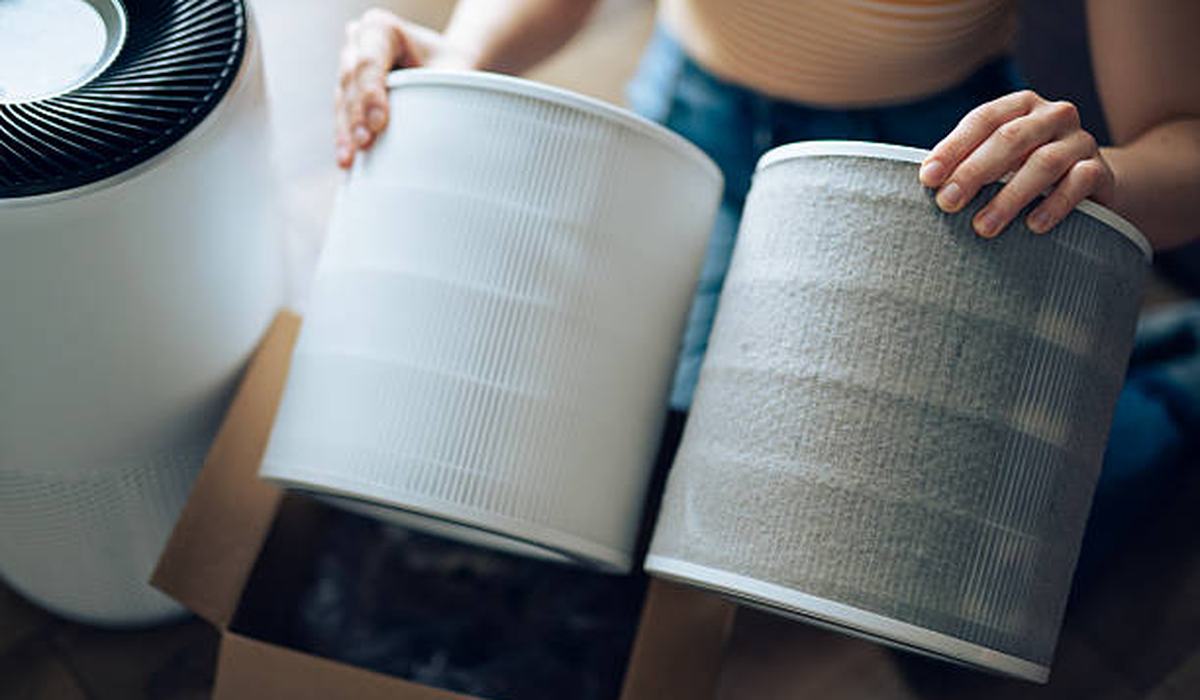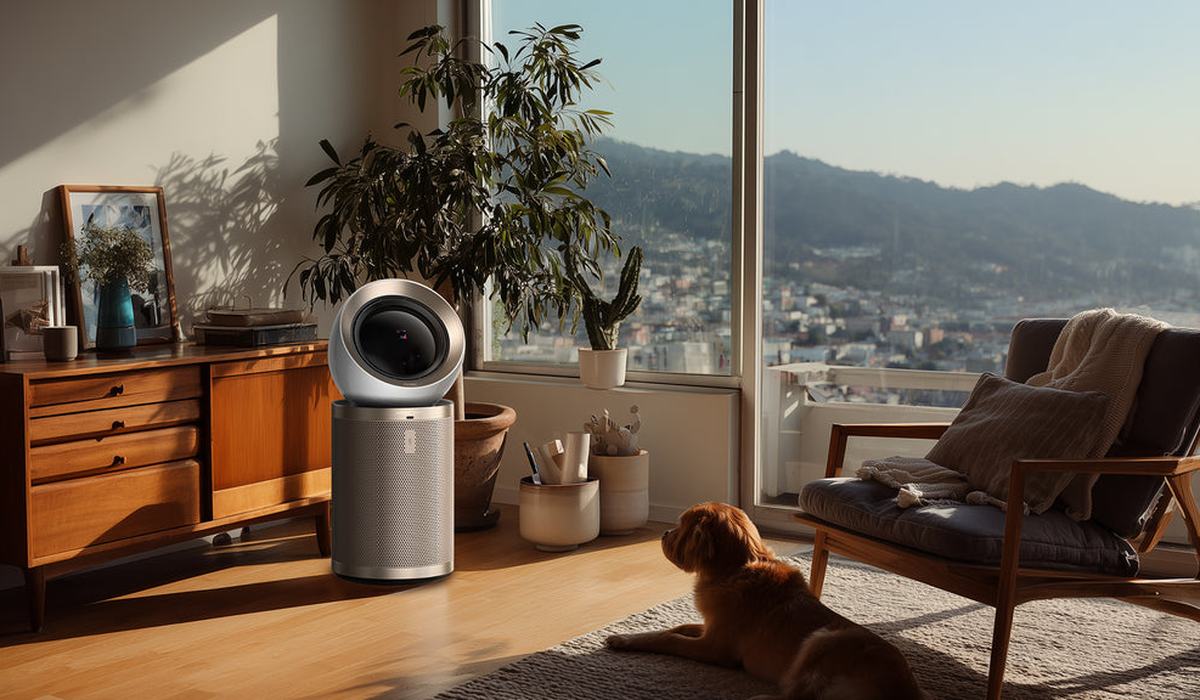
An air purifier is one of the few purchases that reliably reduces indoor allergy symptoms, but only when it is specified correctly. The three allergens that matter most indoors — dust mite debris, pet dander and pollen — are all particles, and all are captured by a true HEPA filter. The variable is how much air the unit moves.
This guide covers the CADR math, the filter spec, and five purifiers that work in the small rooms typical of an apartment.
- Filter: true HEPA (H13 or better). Anything less lets the smallest allergens through.
- CADR: at least two-thirds of the room's floor area in square feet, expressed in CFM.
- Placement: the bedroom first — you spend eight hours there breathing.
- Best overall: Coway AP-1512HH. Best budget: Levoit Core 300S.
- Skip: ionizers and 'washable HEPA' claims — neither removes allergens reliably.
On this page
The three indoor allergens
| Allergen | Source | Size | Removed by |
|---|---|---|---|
| Dust mite debris | Bedding, carpet, upholstery | 1–10 microns | HEPA + washing bedding hot |
| Pet dander | Cats, dogs, rodents | 2.5–10 microns | HEPA + vacuuming |
| Pollen | Tracked in from outside | 10–100 microns | HEPA + door/window habits |
| Mould spores | Damp bathrooms, leaks | 1–20 microns | HEPA + humidity control |
| Cockroach allergen | Kitchens in older buildings | 1–10 microns | HEPA + pest control |
Notice that every one of these is a particle. That is why HEPA is the whole game for allergies, and why a purifier without true HEPA — or with a 'permanent' washable filter — will disappoint you.
Sizing with CADR
CADR, or Clean Air Delivery Rate, is measured in cubic feet per minute. The rule of thumb for allergy relief is a CADR at least two-thirds of the room's area in square feet. A 150 square foot bedroom needs a CADR of about 100 CFM; a 300 square foot living room needs about 200 CFM.
| Room size | Minimum CADR | Air changes/hour at that CADR |
|---|---|---|
| 100 sq ft | ~70 CFM | ~5 |
| 150 sq ft | ~100 CFM | ~5 |
| 250 sq ft | ~170 CFM | ~5 |
| 400 sq ft | ~270 CFM | ~5 |
Manufacturers quote the largest room a purifier can theoretically serve at maximum fan speed. In practice you want that number to be at least 1.5 times your actual room, so the unit can run on medium and stay quiet. A purifier 'rated for 400 sq ft' is right for a 250 sq ft room.
The 5 best picks
| Model | Best for | CADR | HEPA | Approx price |
|---|---|---|---|---|
| Coway AP-1512HH | Best overall | ~240 CFM | True HEPA | ~$90 |
| Levoit Core 300S | Best budget | ~141 CFM | True HEPA | ~$100 |
| Winix 5500-2 | Best for odour + allergies | ~240 CFM | True HEPA | ~$160 |
| Levoit Vital 200S | Best for larger rooms | ~200 CFM | True HEPA | ~$180 |
| Blueair Blue Pure 211+ | Best for heavy pollen | ~350 CFM | HEPASilent | ~$300 |
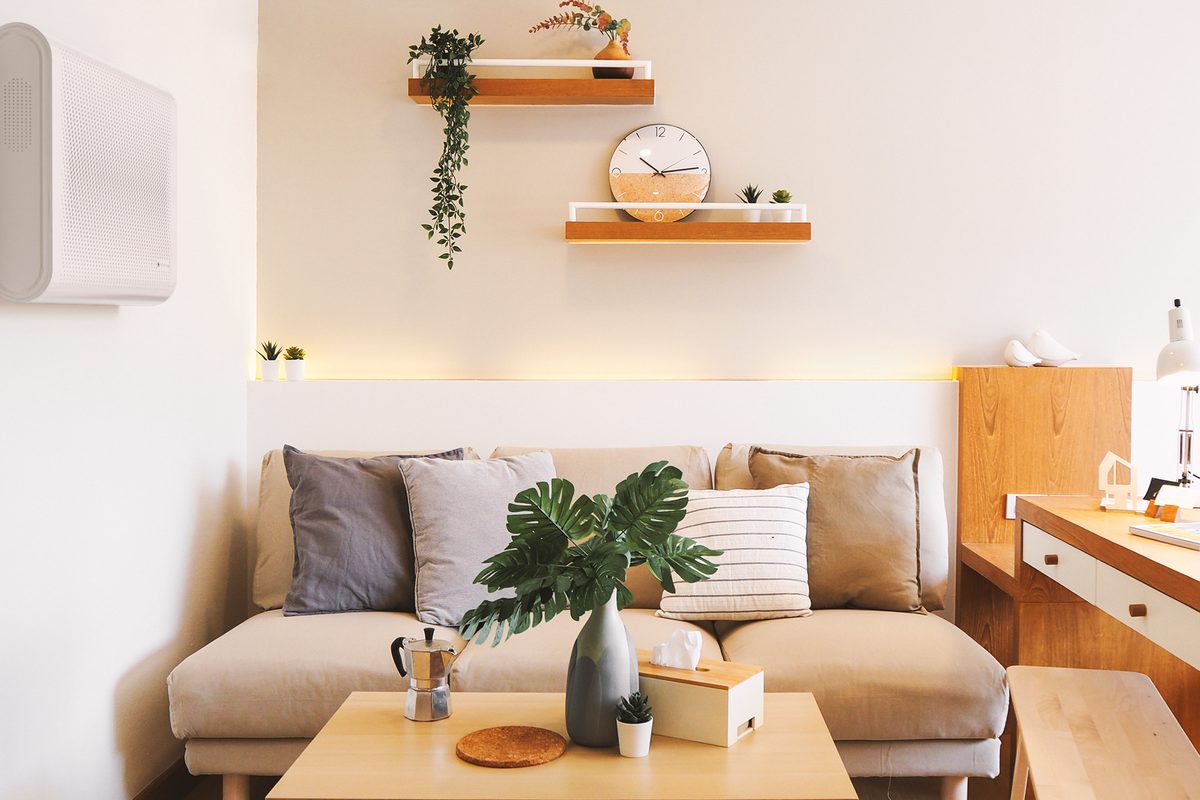
Coway AP-1512HH — best overall for allergies
The default recommendation for allergy sufferers: genuine HEPA filtration, strong airflow, and an auto mode that reacts to particles so you do not have to think about it.
Check Price on Amazon →
Levoit Core 300S — best budget pick
For a bedroom under 200 square feet this is all the purifier most people need, at a price that lets you buy one for each room.
Check Price on Amazon →
Winix 5500-2 — best for allergies plus odour
If you have both allergies and a pet, the washable carbon filter handles odour while the HEPA handles dander — one unit for both problems.
Check Price on Amazon →An allergy routine that works
- Run the purifier in the bedroom overnight. Eight hours of clean air while you sleep is the single highest-impact change.
- Keep windows closed during pollen season. A purifier cannot outrun an open window in spring.
- Wash bedding weekly in hot water. This kills dust mites; the purifier only removes what is already airborne.
- Vacuum with a HEPA vacuum. A standard vacuum exhausts fine dust back into the room.
- Control humidity to 30–50 percent. Dust mites and mould both need higher humidity to thrive.
- Replace the HEPA filter on schedule. A loaded filter loses airflow and stops cleaning effectively.
For allergies, buy a true-HEPA purifier with a CADR of at least two-thirds your room's square footage, put it in the bedroom, and run it overnight. Pair it with hot-water bedding washes and humidity control. That combination is what actually reduces symptoms.