
Repair Tools
Best Voltage Tester for Apartment Repairs (2026 Guide)
How to choose a voltage tester for apartment work — non-contact pens vs two-lead testers vs outlet testers, safety ratings and what each one proves.
The handful of tools that pay for themselves on the first repair — nothing you’ll use once.

You do not need a workshop. Four or five well-chosen tools cover almost every apartment appliance repair, and they cost less than a single technician visit. These guides cover what to buy, what to skip, and how to use each one safely.
How to choose a voltage tester for apartment work — non-contact pens vs two-lead testers vs outlet testers, safety ratings and what each one proves.

How to choose a multimeter for HVAC work — true-RMS, temperature and microamp ranges, CAT ratings, clamp vs standard, and safety.

How to choose a multimeter for home use — safety ratings, the ranges you actually need, auto-ranging, and what to skip for apartment repairs.

How to choose a multimeter for car and appliance diagnostics: auto-ranging, DC amps, duty cycle, safety rating and the features that matter.

What a car tool kit actually needs: sockets, wrenches, pliers, a tyre gauge and a jump pack, plus what to skip and how to store it in a small flat.

A dorm room needs a small, cheap tool kit that fixes a wobbly desk, a loose outlet cover and a flat-pack chair. Here is what to actually put in it.

A first multimeter should be safe, simple and cheap. Here is how to pick one for appliance and outlet testing without overspending or risking a shock.
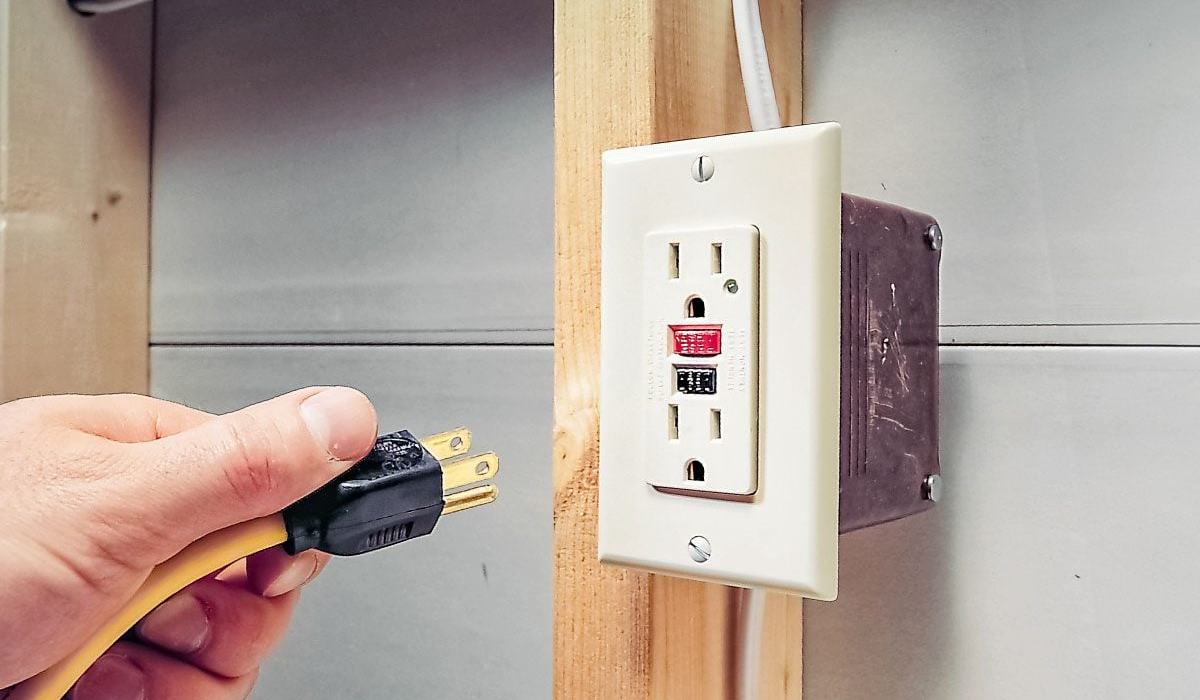
Two tests that separate a bad switch from bad wiring.

Voltage and continuity tests, and when to stop and call an electrician.
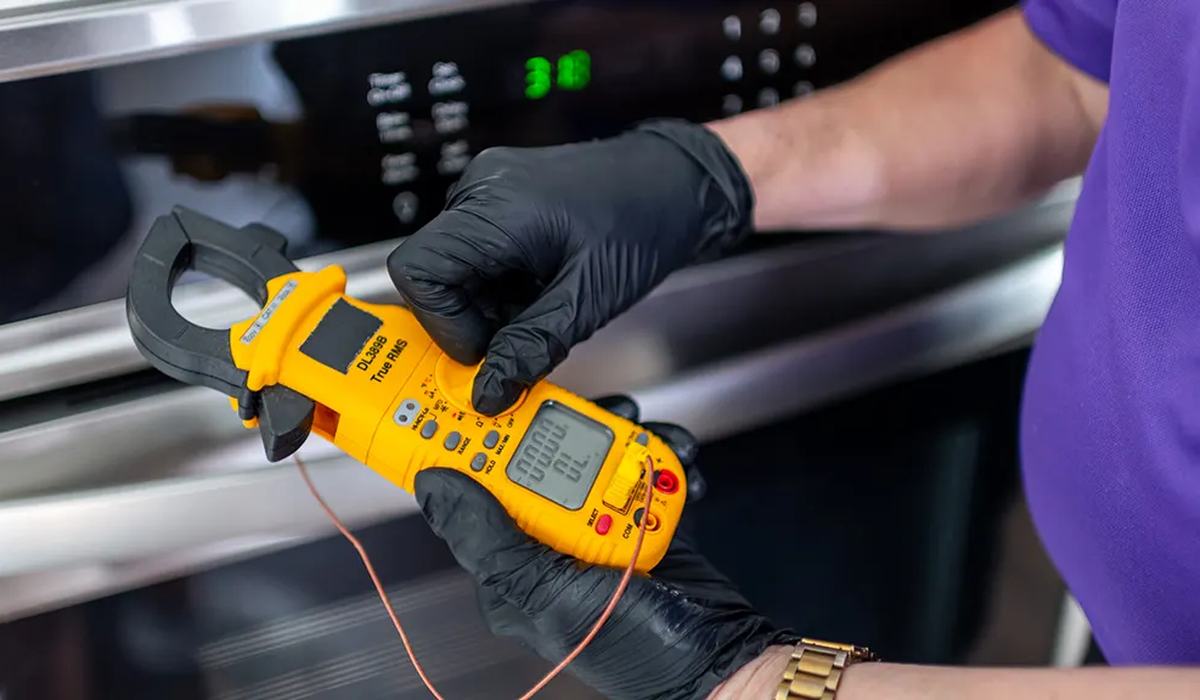
The resistance test, the values to expect, and the ground test.
The button test, a multimeter check, and what a failure means.
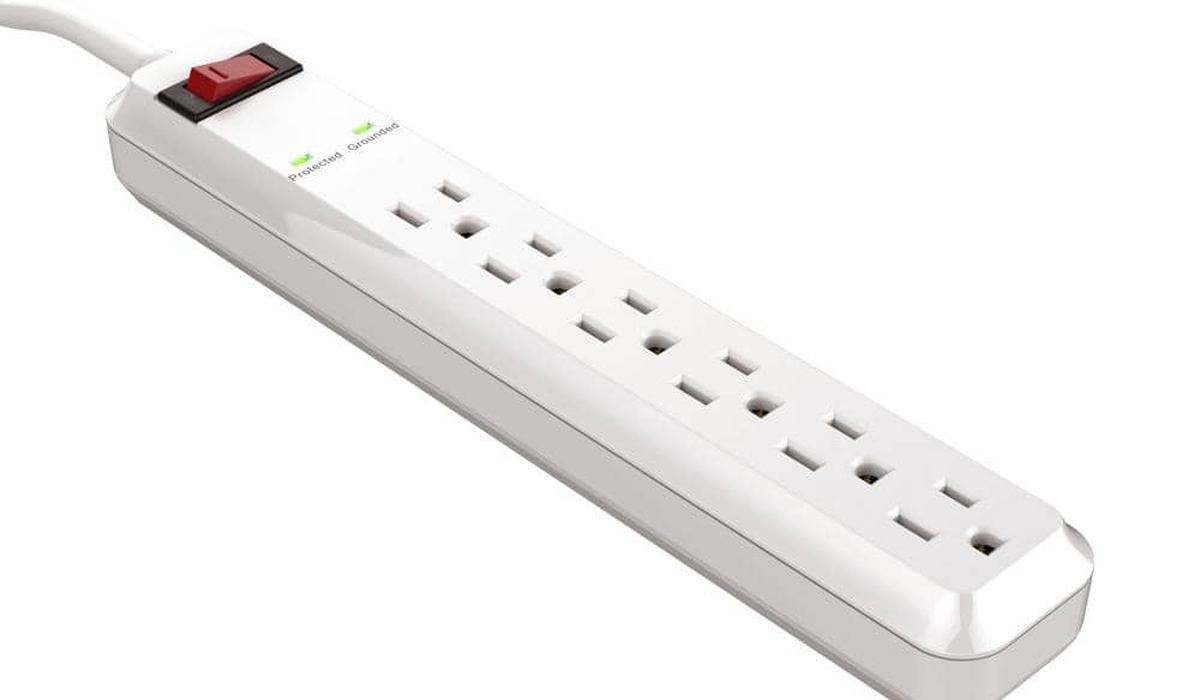
Find a broken conductor or a short in under two minutes.
The three-reading test that confirms a ground path.
Prove whether it is calling for heat, cool or fan.
One voltage test tells you if the socket is the fault.
The continuity test, plus how to read the surge indicator.
Why a dryer tumbles but will not heat, and how to prove it.
A failed capacitor is one of the most common reasons an appliance hums but will not start.
A blown fuse is the cheapest failure in any appliance — and the easiest to misdiagnose.

A stud finder is only as good as its calibration — and apartment walls are the hardest case.

Contractor tool bags are built for a van and a job site.
A dead outlet behind an appliance is one of the most common apartment electrical problems.
Appliance wiring is mostly 18–12 AWG stranded wire, and a cheap stripper nicks the strands and causes the fault…
Continuity is the single most useful electrical test there is.
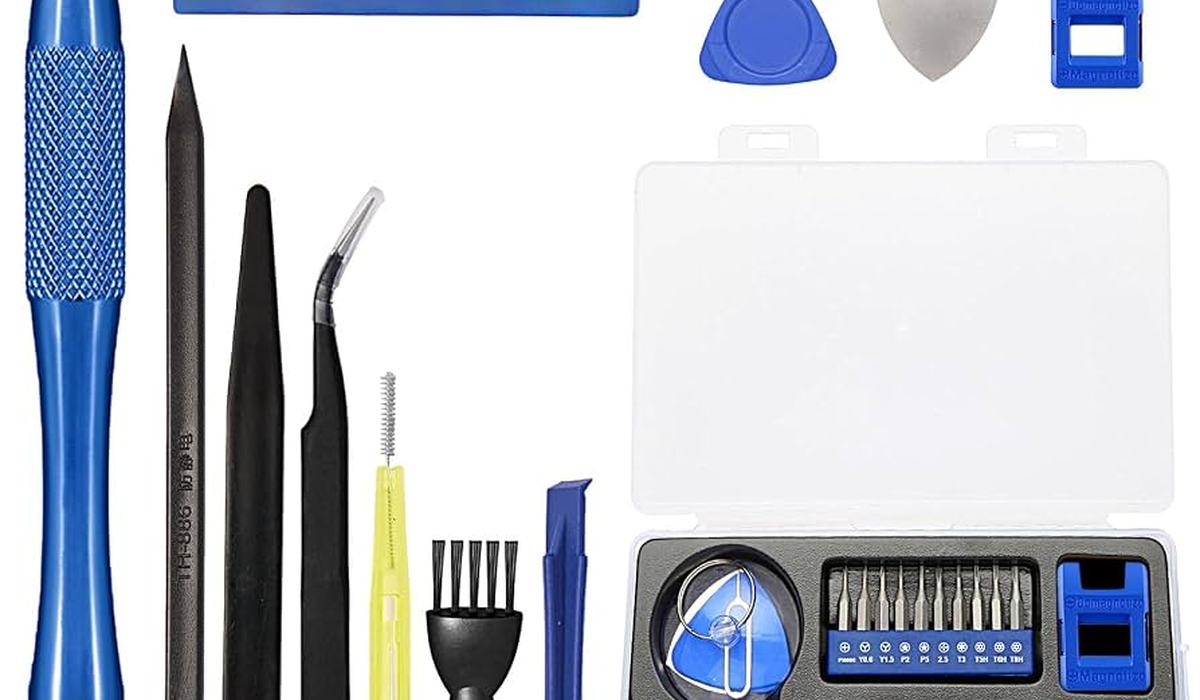
A stripped screw turns a five-minute repair into an hour. Here are the driver sizes appliances use, and three sets…
Appliance repair needs continuity, voltage and capacitance — not a lab-grade meter. Here are the features that matter…
A non-contact voltage tester is the cheapest safety tool you can own. Here is how they work and three picks that will…
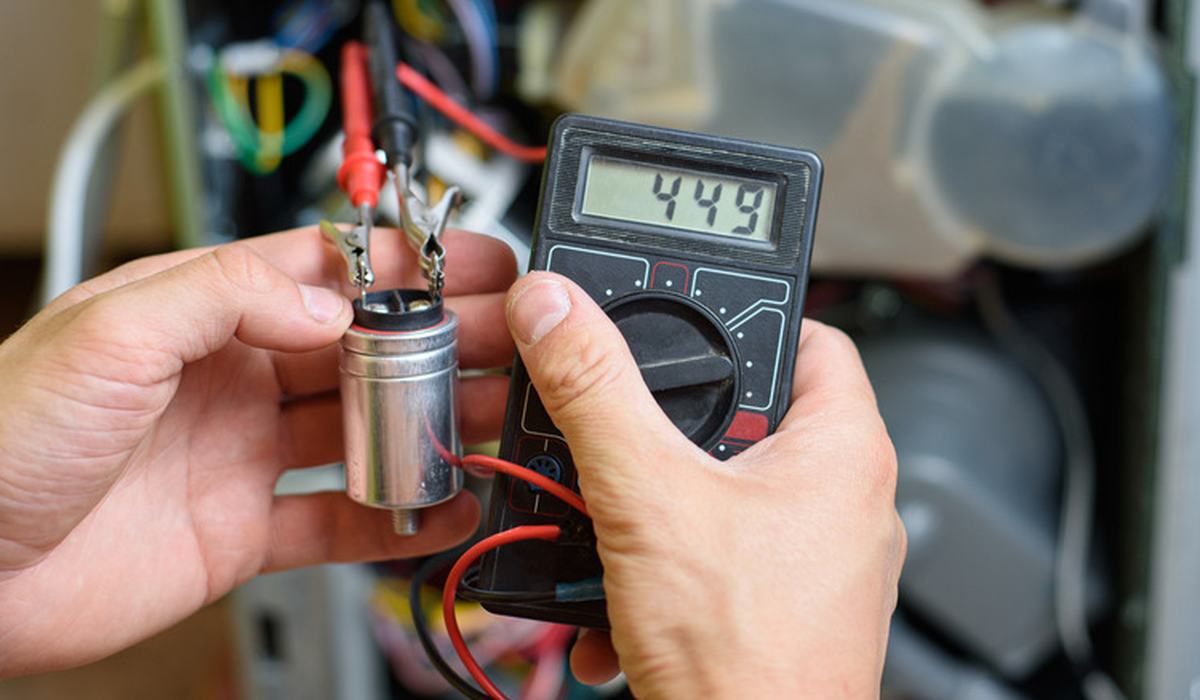
A renter's tool kit has to be compact, complete and cheap. Here is what to include and three kits that cover…
A multimeter is a safe tool used correctly and a dangerous one used carelessly. Here are the rules that matter, and…
You can start appliance repair with five tools. Here is what to buy first, what each one does, and what to add as you…
Under a fridge or inside a washer, you need light and both hands free. A headlamp does what a flashlight cannot. Here…
A heat gun is the tool that unsticks what nothing else will. Here is the temperature control that matters, and four…
Hanging anything heavy in a rental means finding a stud. Here is how stud finders work, and three that handle…
A headlamp lights where you look, but a handheld flashlight reaches where your head cannot. Here is what to look for…
Appliance cabinets are full of sharp edges. Here is what to look for in work gloves, and three pairs that protect…
Most appliance repairs need about a dozen tools. Here is the exact list, what each one does, and three kits that…
Three tests cover almost every appliance fault: continuity, voltage and resistance. Here is how to run each one…
Before you touch a wire, confirm it is dead. A voltage tester costs under $30 and is the single most important safety…
Before you blame the appliance, test the outlet. A GFCI tester confirms wiring, ground and trip function in seconds —…
A refrigerator weighs 200 to 400 pounds. A dolly turns a dangerous lift into a controlled roll. Here is what to look…
Five tests cover most appliance faults. Here is how to run each one, what reading to expect, and what a wrong reading…
You do not need a workshop to fix a fridge. This is the complete tool list, ordered by what to buy first, with…
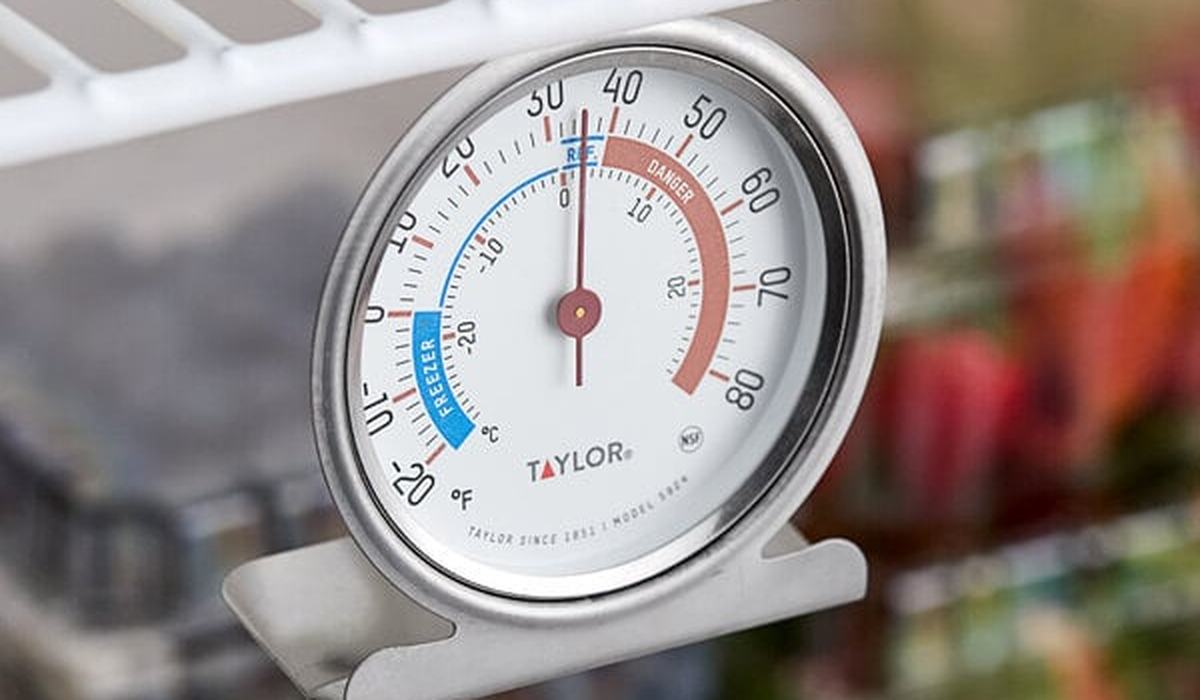
Every cooling complaint starts with a number. These four thermometers tell you the real temperature in both…
If your fridge runs too long or not at all, the thermistor is a prime suspect — and it is testable in ten minutes…
Before you touch an appliance, check the outlet. We compare 6 outlet testers on GFCI testing, wiring-fault detection and price for apartment repairs.
You do not need a full workshop to fix an appliance. Here are the 6 kits worth buying, and the 10 tools that actually matter for apartment repairs.
Appliance interiors are dark and awkward. We compare 6 work lights on brightness, hands-free mounting and battery life for repair work in tight spaces.
Appliance repair throws springs, refrigerant and dust. We compare 6 pairs of safety glasses on impact rating, anti-fog and fit for people who wear glasses.
You do not need a workshop, and you do not need to spend hundreds at once. Renting means two constraints: everything has to store in a drawer or a closet shelf, and nothing may leave a mark on the unit. Those two rules produce a surprisingly short, cheap list of tools that covers the overwhelming majority of apartment repairs.
Gloves and eye protection are not optional when you are working around refrigerant lines, springs and sharp sheet metal. See work gloves and safety glasses. If a repair needs more than a screwdriver and a meter, that is usually a signal to stop and call the landlord rather than to buy more tools.
| Storage goal | Renter-friendly answer |
|---|---|
| No wall holes | A soft-sided tool bag on a closet shelf — see tool bags |
| Tiny footprint | A compact kit that nests, or a rolling case that slides under a bed |
| Moving often | One bag you can grab and go beats a pegboard you have to leave behind |
| Shared walls | Choose a cordless driver with a low clutch setting so you never over-torque into a neighbour's wall |
A genuinely useful starter kit — meter, tester, driver set, headlamp, gloves, glasses — costs roughly $80–$120 and covers the repairs we write about most. Compare complete kits in our beginner tool kit guide and checklist in the pre-repair checklist.