An extension cord is a length of flexible cable that gets dragged, kinked, walked on and coiled too tightly. It is also the electrical item most likely to start a fire in a small apartment, because it is the one that gets overloaded and hidden under a rug.
The good news is that a cord is trivially easy to test. Three continuity checks confirm the conductors are intact, and two more confirm there is no short. The whole thing takes two minutes.
On this page
Why extension cords fail
A cord fails in one of three ways, and each has a different signature on a meter.
- Broken conductor — the copper strands inside the insulation have fractured, usually right at the plug or the socket where the cord flexes. The cord works when you wiggle it and fails when you do not. This reads as no continuity on one conductor.
- Short circuit — the hot and neutral conductors have touched, usually after insulation damage. This reads as continuity where there should be none, and it will trip a breaker.
- Damaged insulation — the outer jacket is cut or cracked, exposing live conductors. This may pass every electrical test and still be a shock hazard. Inspect visually first.
The visual inspection comes before any test. Look for cuts, cracks, crushed sections, a warm or discoloured plug, and a socket that no longer grips. Any of those means the cord is done, regardless of what the meter says.
Safety first
A cord test is done dead, which makes it one of the safer jobs in this guide. The risk is not the test — it is the cord you decide to keep using.
- Never test a cord that is plugged in.
- Do not repair a cord with tape. A taped cord is a fire risk and is not a repair.
- Replace any cord with a damaged jacket, even if it tests good.
The continuity test
This test confirms each conductor runs the full length of the cord without a break.
- Unplug the cord from both ends.
- Set the meter to continuity and touch the probes together to confirm the beep.
- Hot to hot: one probe in the socket's hot slot (the shorter one), the other on the plug's hot prong (the narrower one). Expect a beep.
- Neutral to neutral: socket's neutral slot (taller) to plug's neutral prong (wider). Expect a beep.
- Ground to ground: socket's round hole to the plug's round prong. Expect a beep.
A cord that beeps on all three is electrically intact. A cord that fails one has a broken conductor — and because the break is usually at a flex point, it will fail intermittently, which is the worst kind of fault.
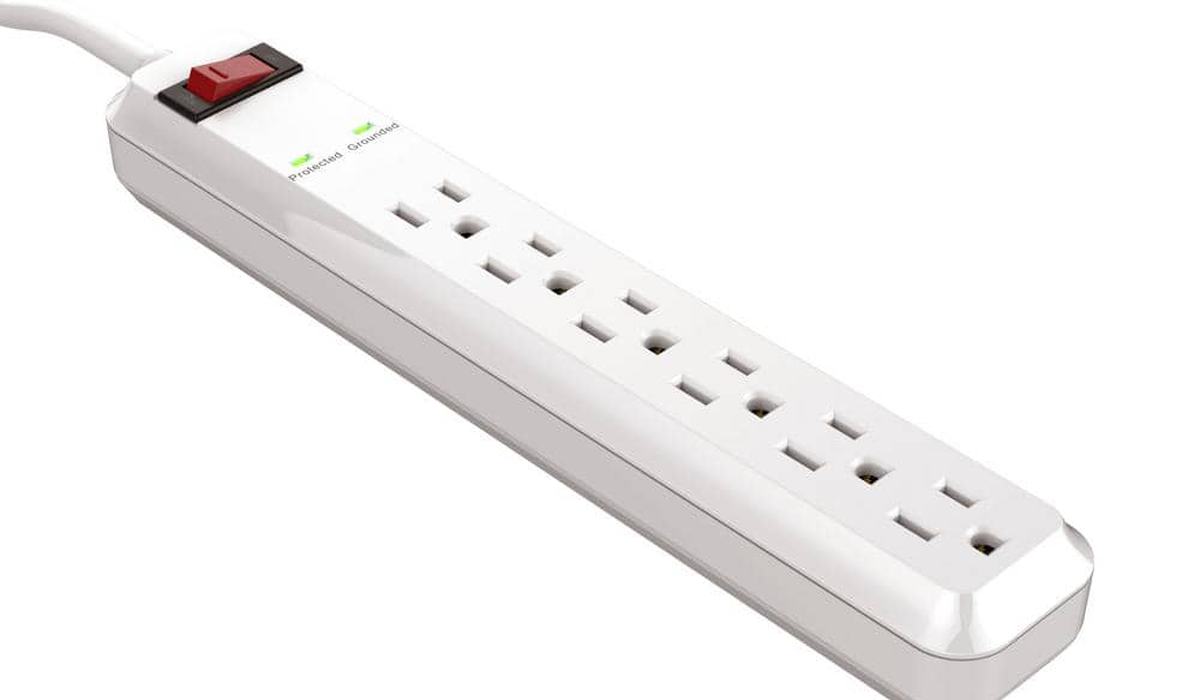
Heavy-Duty Extension Cord (12-Gauge)
A 12-gauge cord that handles a space heater or a vacuum without warming up. The right replacement when a cord fails.
Check Price on Amazon →The short test
This test confirms the conductors are not touching each other. It is the one that catches a fire risk.
- Leave the meter on continuity.
- Hot to neutral: one probe on the plug's hot prong, the other on the plug's neutral prong. This should not beep.
- Hot to ground: plug's hot prong to the plug's ground prong. This should not beep.
- Neutral to ground: plug's neutral prong to the ground prong. This should not beep.
Any beep in this set means two conductors are touching. That is a short, and the cord must be discarded. Do not attempt a repair.
Reading the results
| Test | Expected | If it fails |
|---|---|---|
| Hot to hot | Beep | Broken hot conductor — discard |
| Neutral to neutral | Beep | Broken neutral — discard |
| Ground to ground | Beep | Broken ground — discard |
| Hot to neutral | No beep | Short — discard immediately |
| Hot to ground | No beep | Short — discard immediately |
| Neutral to ground | No beep | Short — discard immediately |
The apartment angle
- Outlets are scarce. Apartments have fewer receptacles than houses, which is exactly why cords get daisy-chained. Never plug one power strip into another.
- Cords run under rugs. That hides heat and damage. Route cords along walls instead.
- Space heaters are the danger case. A heater on a 16-gauge cord will melt it. Use 12-gauge for anything that heats.
- Check the UL listing. A cord without a UL mark is an unknown quantity. UL 817 is the standard for cord sets.
Mistakes to avoid
- Testing a plugged-in cord. Always unplug both ends first.
- Skipping the visual check. A cord with a cut jacket can pass every electrical test and still be dangerous.
- Repairing with tape. Tape does not restore insulation integrity. Replace the cord.
- Daisy-chaining power strips. It is the most common cause of overloaded cords in apartments.
- Using a light cord for a heavy load. Match the gauge to the load — 12-gauge for heaters and vacuums.
Choosing the right cord
Most cord failures are really sizing failures. A cord that is too thin for its load runs warm, and heat is what degrades insulation and eventually causes a short.
| Gauge | Typical rating | Good for |
|---|---|---|
| 16 AWG | 13 A / 1,625 W | Lamps, chargers, small electronics |
| 14 AWG | 15 A / 1,875 W | Fans, small appliances, TVs |
| 12 AWG | 20 A / 2,500 W | Vacuums, space heaters, power tools |
| 10 AWG | 30 A / 3,750 W | Heavy tools, short runs only |
The rule of thumb is simple: if the cord feels warm in use, it is undersized. A warm cord is a cord that is losing energy as heat, and heat is what kills insulation. For anything that produces heat — a space heater, a hair dryer, a kettle — use 12-gauge or plug directly into the wall.
Length matters too. Voltage drop increases with length, so a 100-foot 16-gauge cord delivers noticeably less voltage at the far end than a 25-foot one. For a long run, go up a gauge. A vacuum on a long thin cord will run slow and hot.
Finally, check the listing. A cord set should carry a UL 817 mark. A cord without a listing is an unknown quantity, and the cheap ones are cheap because the copper is thin and the insulation is thin with it.
Making a cord last
Most cord damage happens in storage, not in use. The failure point is almost always right at the plug or the socket, where the cord flexes.
- Do not wrap a cord around your elbow. That is the classic over-under violation and it puts a hard bend right at the strain relief.
- Use the over-under coil. Alternate the direction of each loop so the cord naturally relaxes. It takes ten seconds to learn and it doubles a cord's life.
- Do not coil tightly around the plug. The plug is the heaviest part and it kinks the cord where it enters.
- Store hanging, not crushed. A cord under a box in a closet develops a permanent kink.
- Keep cords out from under rugs. Foot traffic crushes the insulation and hides the heat.
In an apartment, storage is the real constraint. A cord that lives coiled on a hook inside a closet door lasts years longer than one stuffed into a drawer. If you have a small space, a single wall hook and an over-under coil is the whole system.
Inspect before every use. A ten-second visual check — looking for cuts, cracks, crushed sections and a warm or discoloured plug — catches most failures before they become a fire. It is the cheapest safety habit in this guide.
Frequently asked questions
How do I test an extension cord with a multimeter?
What should an extension cord read on a multimeter?
Can I repair a damaged extension cord?
Why does my extension cord work sometimes and not others?
What gauge extension cord do I need?
Related guides
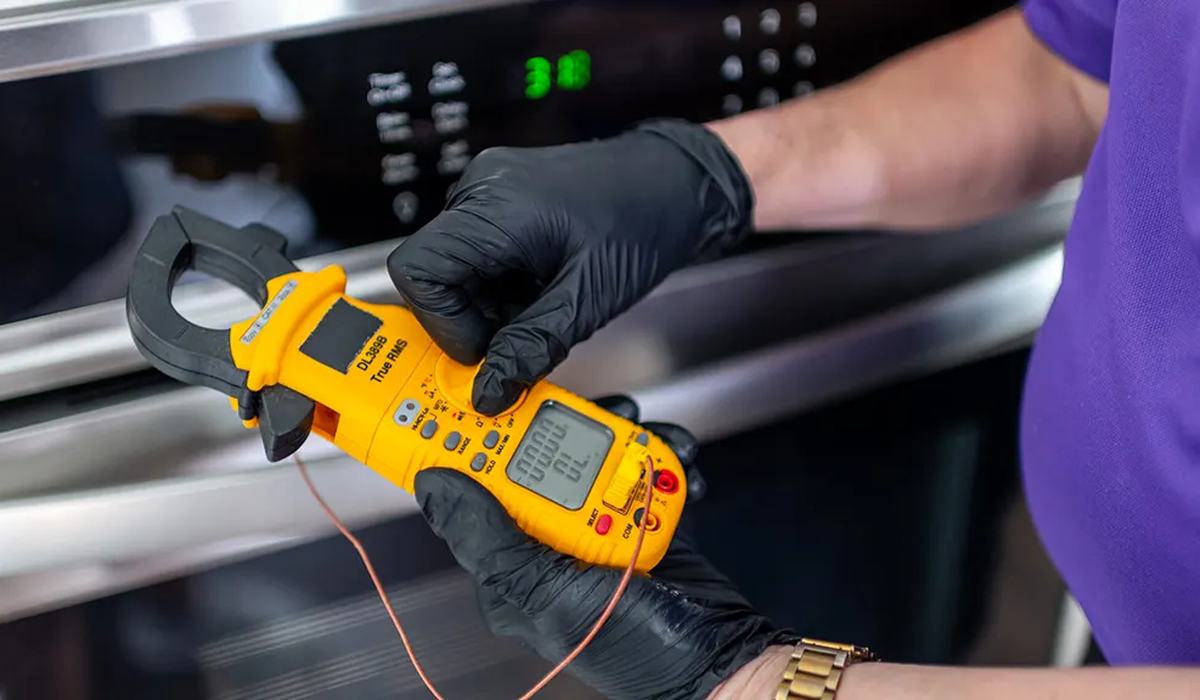
How to Test Continuity With a Multimeter
The 30-second beep test behind every electrical diagnosis.
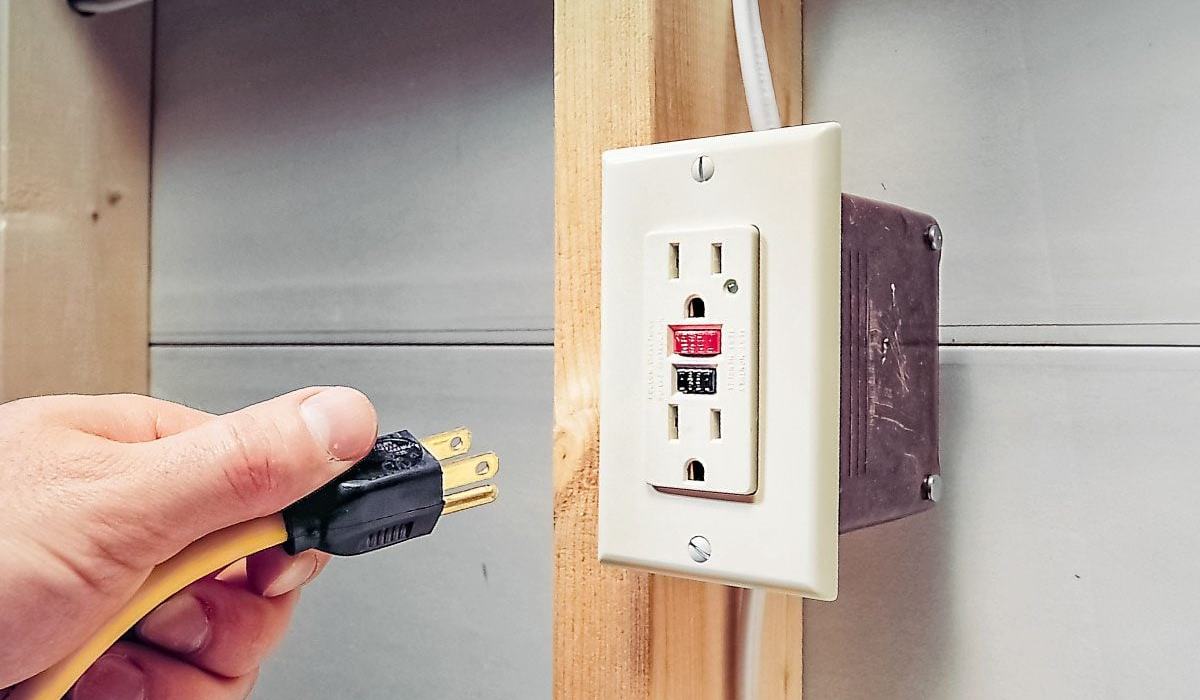
How to Test a Power Strip With a Multimeter
The same test, plus the surge indicator to watch.