
Parts & Filters
Best MERV Air Filter for an Apartment (2026 Guide)
How to choose the right MERV air filter for an apartment HVAC — MERV vs MPR vs FPR, what a renter's system can handle and how often to change it.
Gaskets, relays, fan motors and filters — matched to real models and priced honestly.

Replacement parts are where apartment repairs are won or lost. Buy the right $15 relay and the fridge runs for years; buy the wrong one and you’ve wasted a weekend. These guides match parts to real model numbers and explain how to verify a fit before you order.
How to choose the right MERV air filter for an apartment HVAC — MERV vs MPR vs FPR, what a renter's system can handle and how often to change it.

How to pick an air purifier for an apartment with cats — dander, litter odour, carbon vs HEPA, sizing for a small flat, placement and filter cost.

How to choose a true-HEPA air purifier for an apartment — H13 vs HEPA-type, CADR sizing, noise, filter cost and placement in a small flat.

How to choose a replacement air filter for a nursery: HEPA grade, carbon layer, fit, cost per year and how often to change it.
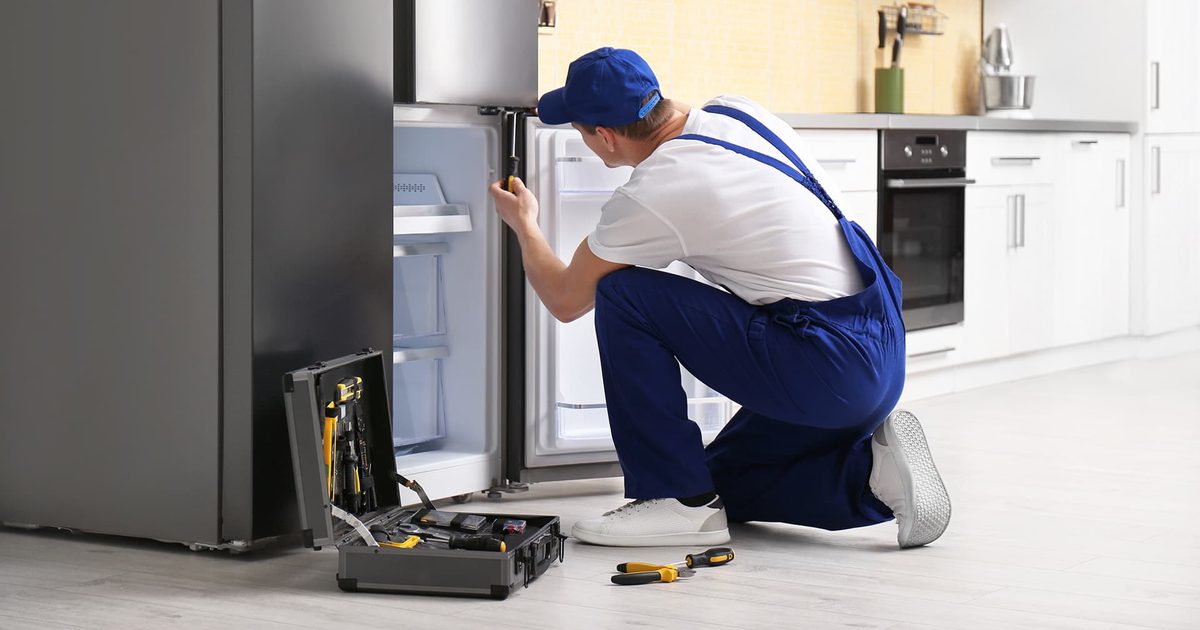
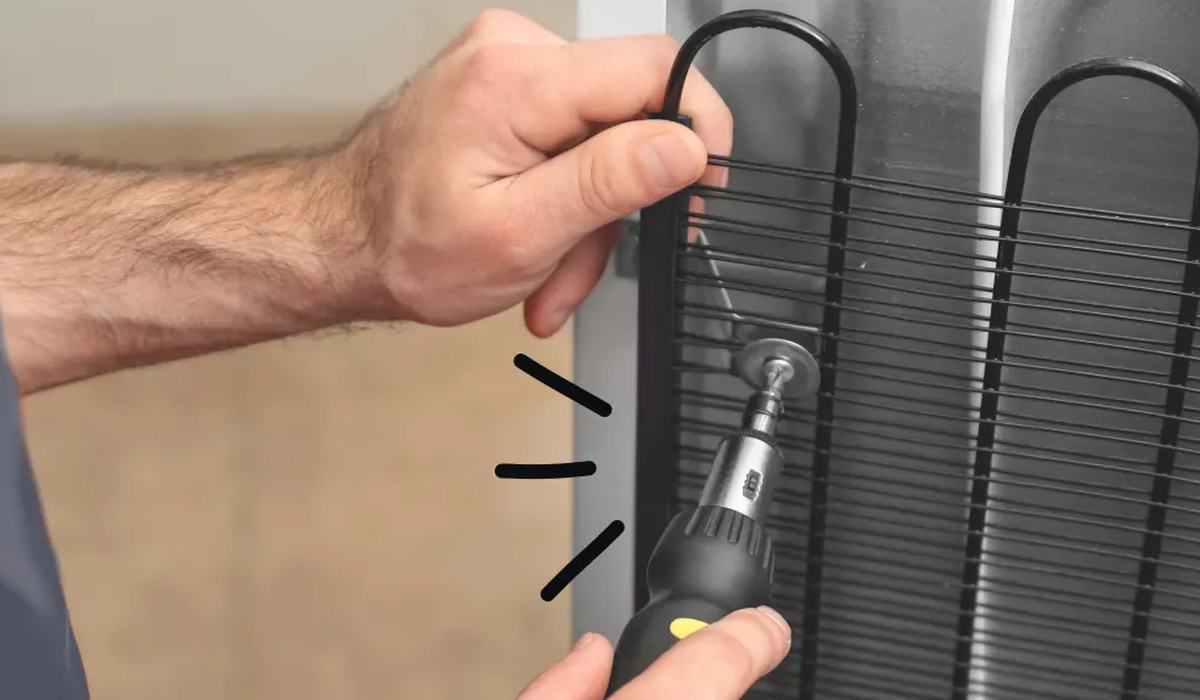
The model number is the key to buying the right part. Here is where to find it on every fridge, and how to read it so…
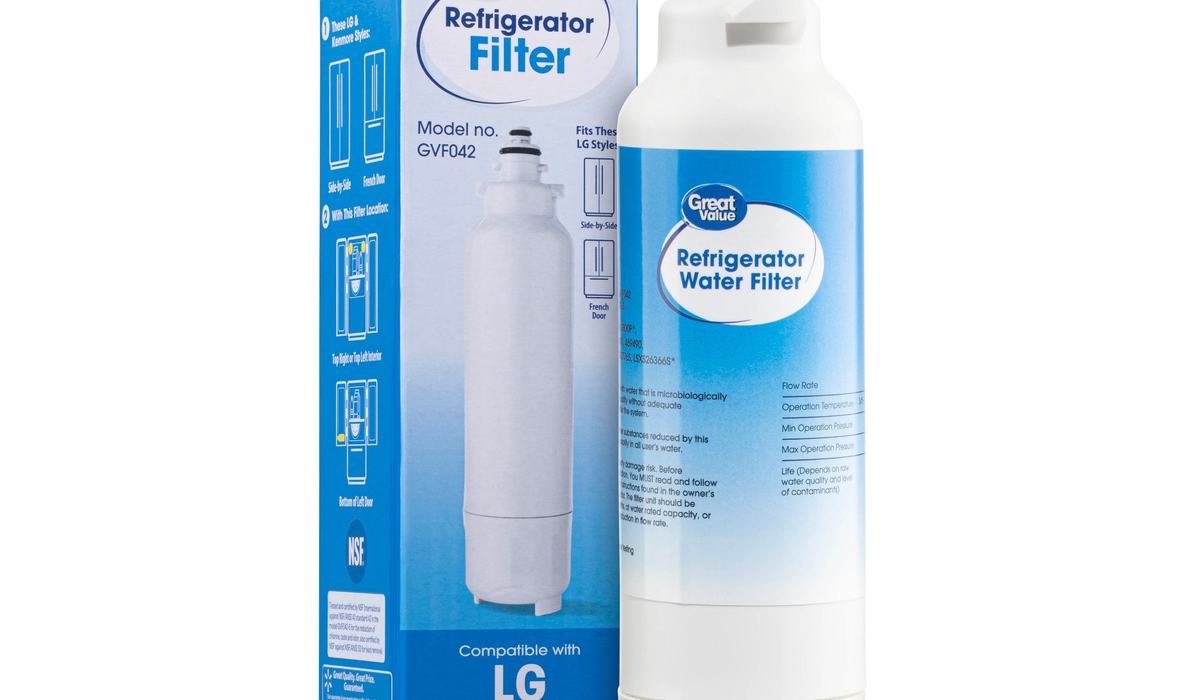
Changing a fridge water filter takes five minutes and costs far less than bottled water. Here is how to do it, and…
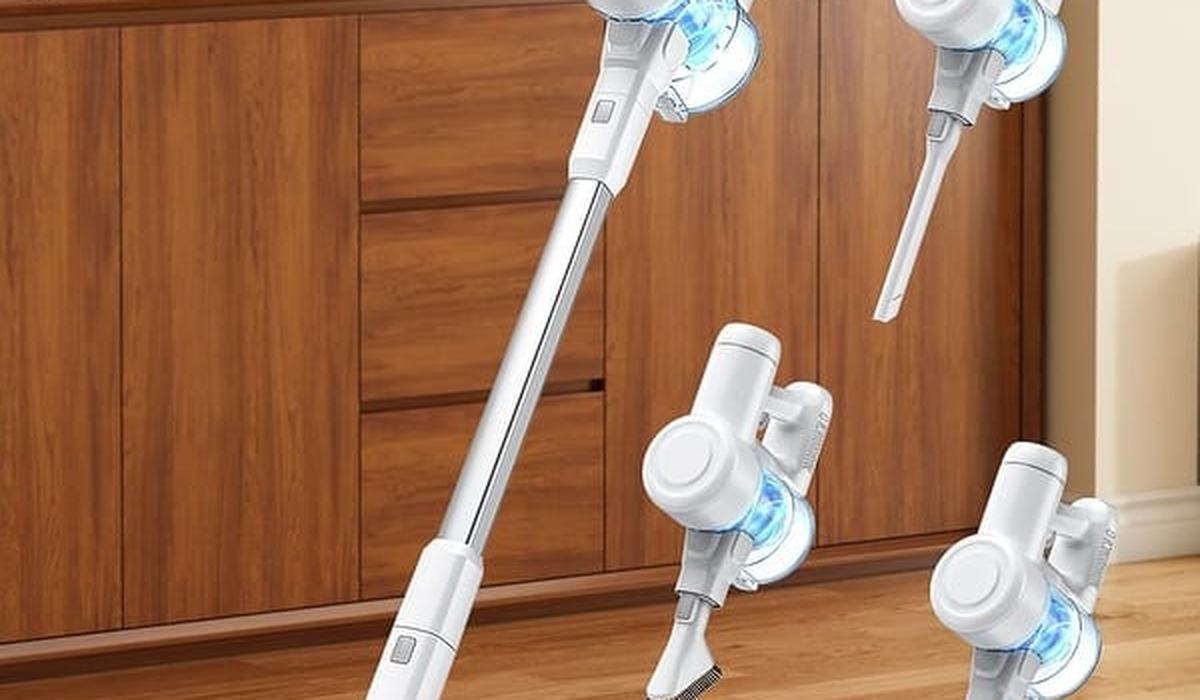
If your vacuum's brush roll stopped spinning, the belt has snapped or stretched. Here is how to replace it in ten…
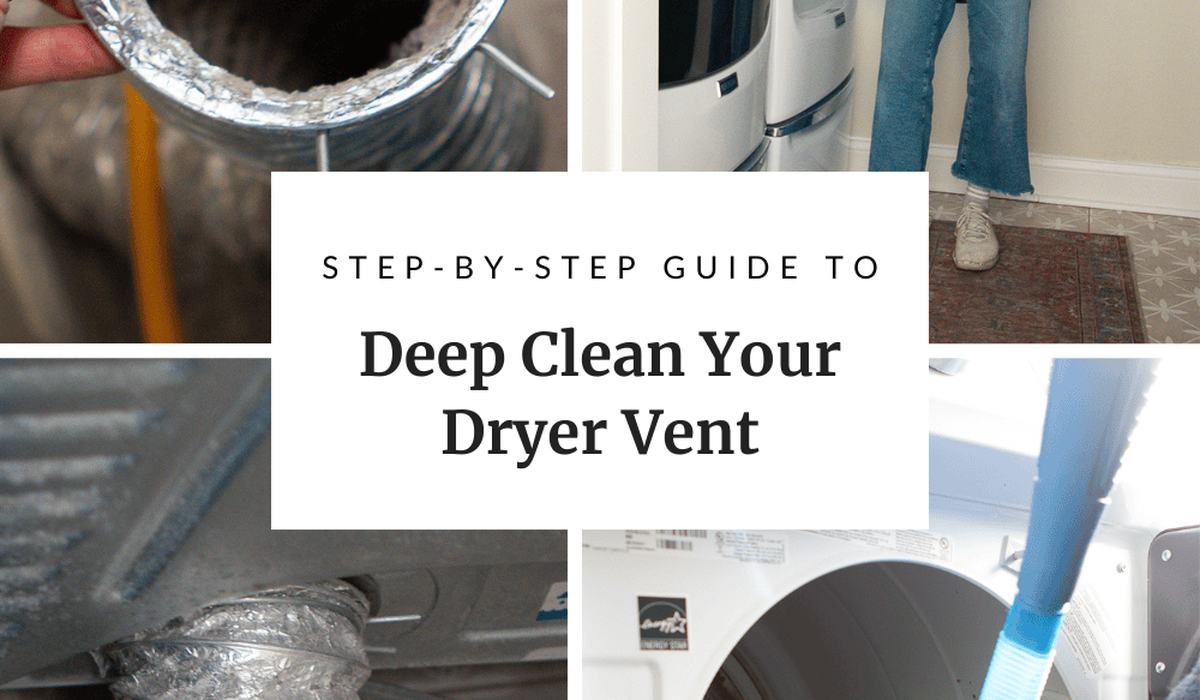
A dryer that hums but does not tumble has a broken belt. Here is how to replace it, including the idler pulley…

OEM parts fit perfectly and cost more. Aftermarket parts are cheaper but vary. Here is how to decide which to buy for…
The part number is usually printed on the part itself. Here is how to find it, read it, and order the exact…
A fridge or washer cannot go in the trash. Here are six legal ways to dispose of an old appliance, and how to get…
A water filter is the cheapest part you will ever replace, and the easiest to get wrong. Here is how to choose one…
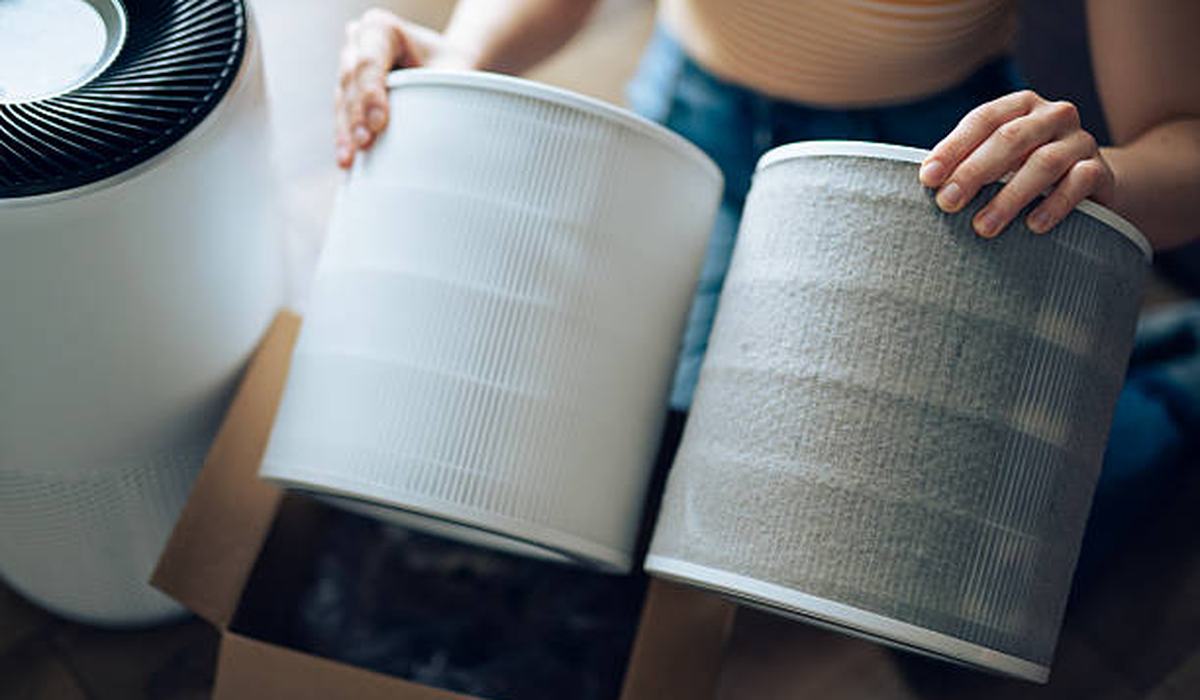
A dirty filter is the hidden reason a vacuum loses suction. Here is how to pick the right replacement and how often…
If the compressor hums but will not start, the start capacitor is a prime suspect. Here is how to test it and swap it…
The model number is on a plate somewhere on the fridge. Here is every place it hides, and how to convert it into the…
Six months, or 200 gallons — whichever comes first. How to identify the right cartridge and change it without a flood.
HEPA, carbon and pre-filters wear at different rates. Change the wrong one and you waste money; change none and the…
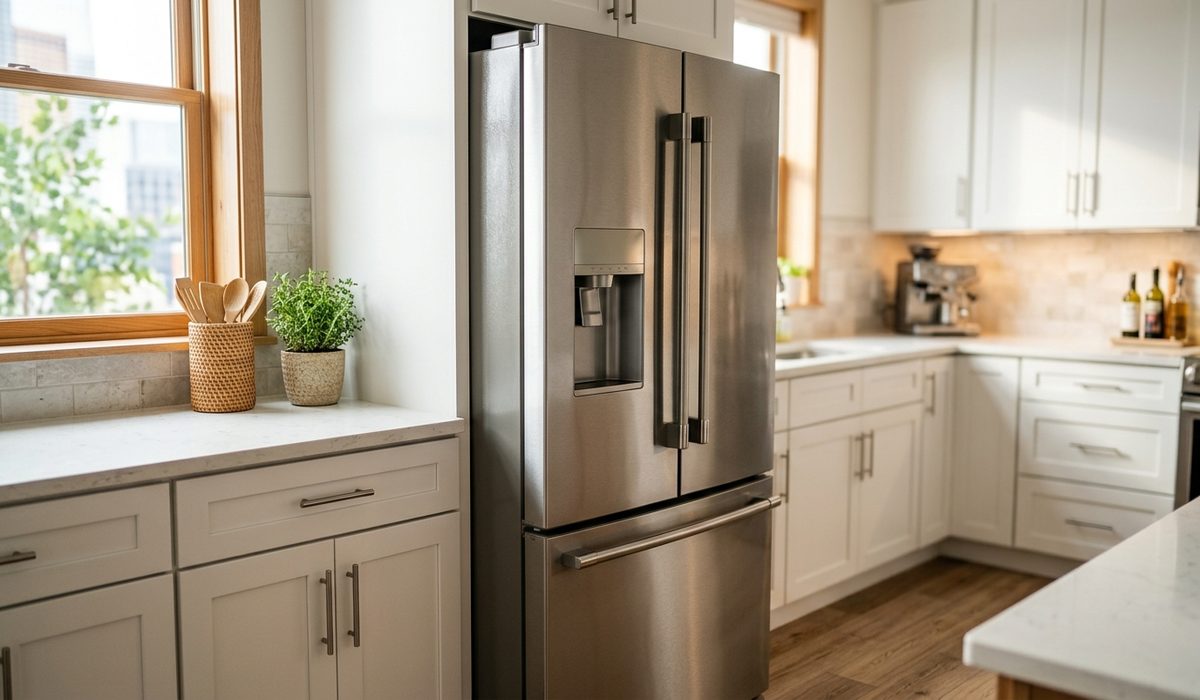
Freezer fine, fridge warm, and a noise like a bearing going bad. The evaporator fan moves cold air — when it stops,…
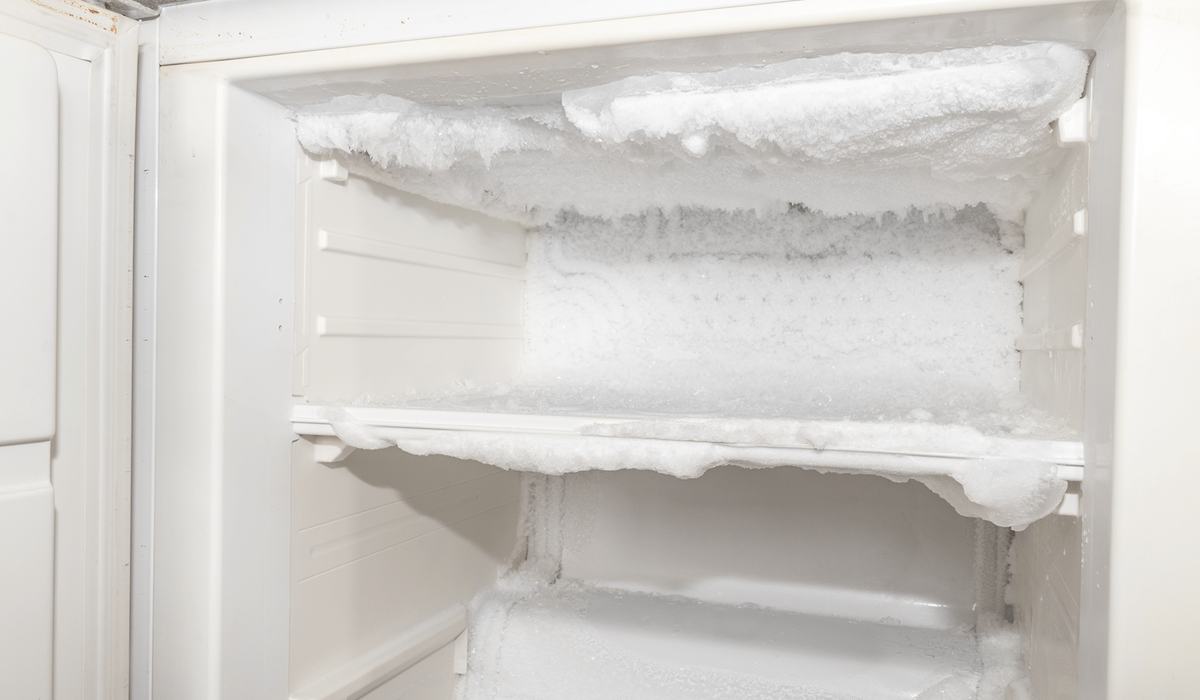
A frost-free fridge that ices up has a broken defrost system. Three parts do that job — test all three, replace the…
A cracked crisper drawer does not mean a new fridge. How to identify and order the exact shelf, drawer or bin —…
Some appliance parts are safe to buy generic. Others will damage the appliance. A part-by-part guide to spending…

A new gasket will not seal if the door is sagging on a worn hinge. Diagnose the hinge before spending on a seal.
A silent valve is the most common reason a fridge stops making ice or dispensing water. Testing takes ten minutes and…
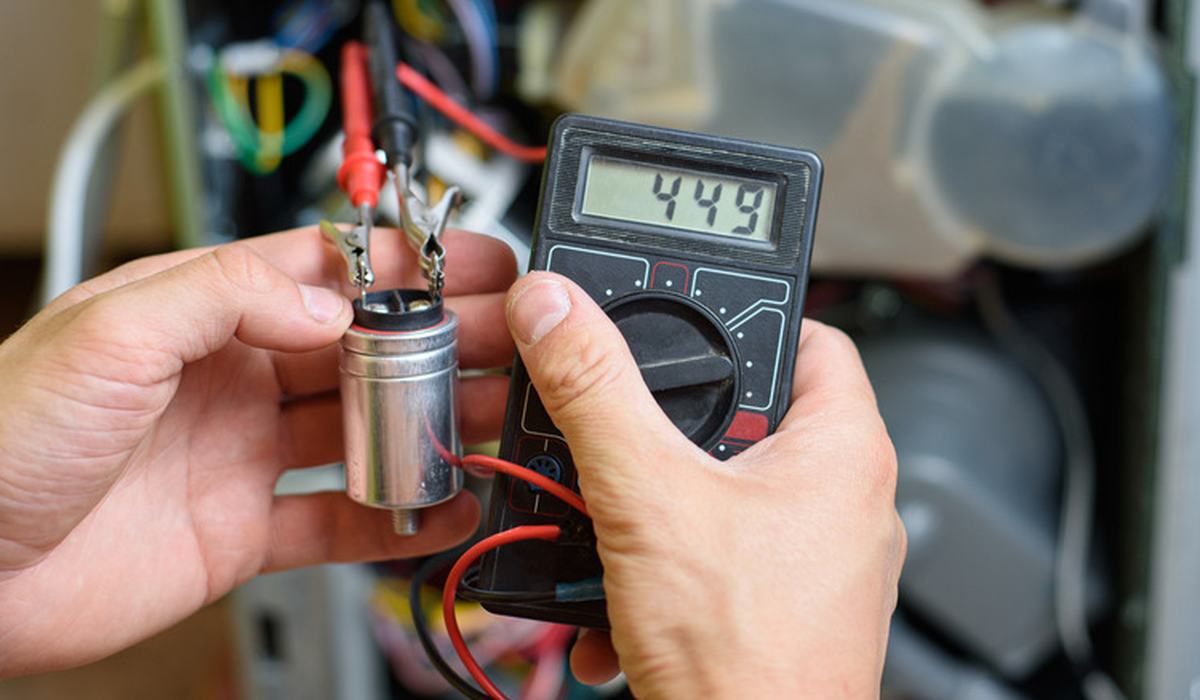
Ordering the wrong part is normal. What that mistake costs you depends entirely on where you bought it and whether…
Buying the wrong filter is the most common air purifier mistake. Here is how to find your model number, match the filter, and avoid counterfeit cartridges.
A fridge filter or a pitcher? We compare cost per gallon, filtration, convenience and maintenance so you can decide which is worth it for your apartment.

A rack that falls off the rail is a cheap fix. Here is how to identify the right roller and clip, remove the old ones, and fit new ones in 20 minutes.
A cracked door bin is a cheap, tool-free fix. Here is how to find the right part number, remove the old bin, and fit a new one in ten minutes.
Ordering the wrong part is the most common way a simple repair turns into a week without a fridge. Manufacturers change part numbers mid-production without changing the appliance's model name, and marketplace listings borrow photos from the wrong variant. Getting the numbers right before you order is worth ten minutes of patience.
Original parts cost more but fit exactly and carry the manufacturer's warranty. Aftermarket parts can be identical or can be a poor imitation, and the honest answer is that it depends on the part. Our guide to OEM versus aftermarket parts separates the parts where aftermarket is fine from the ones where it is not.
| Filter | How often | Why it matters |
|---|---|---|
| Air-purifier HEPA | Every 6–12 months | Clogged filters lose airflow first, then efficiency — see when to replace |
| Air-purifier carbon | Every 3–6 months | Carbon saturates silently; odours return when it does — see HEPA vs carbon |
| HVAC / MERV filter | Every 1–3 months | Protects the system and your air; see MERV ratings for apartments |
| Refrigerator water filter | Every 6 months | Affects taste and flow; see water filter replacement |
| Vacuum HEPA | Every 6–12 months | Restores suction and stops dust recirculation — see vacuum filters |
Check the return window before ordering, keep the packaging until the part is confirmed fitted, and photograph the old part next to the new one. If a part arrives damaged or wrong, the process and your rights are covered in appliance part returns and warranties.