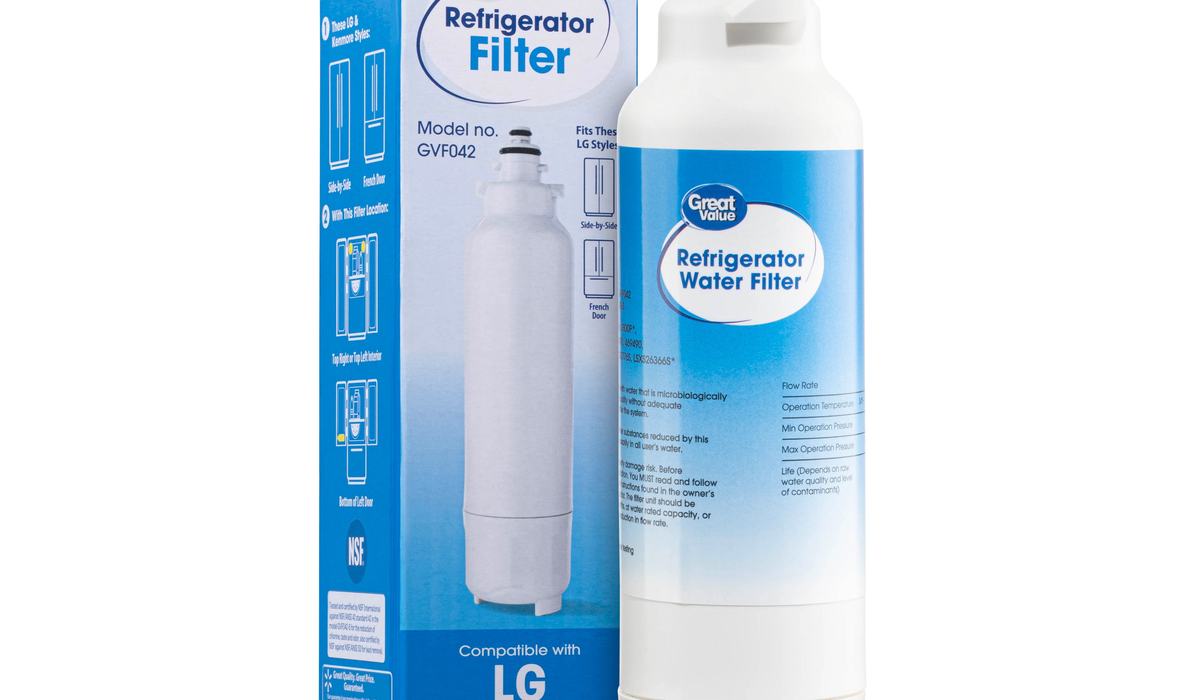
Interior refrigerator parts break constantly: a glass shelf cracks under a heavy pot, a crisper drawer splits at the runner, a door bin snaps at the retaining tab. None of these affect how the fridge cools, but all of them are annoying and all of them are replaceable.
Unlike compressor parts, interior parts are simple to order and simple to fit — and because they are model-specific, getting the right one is mostly about identifying your model correctly.
- Glass shelves — full-width, half-width and spill-proof frames.
- Crisper drawers — with or without humidity slides.
- Door bins — full-width, half-width, and gallon-size.
- Shelf frames and supports — the plastic edges that hold the glass.
- Drawer runners and covers — the track the drawer slides on.
- Egg trays, dairy covers and butter compartments.
On this page
Repair or replace the fridge?
| Part | Typical cost | Verdict |
|---|---|---|
| Glass shelf | $25–$70 | Always repair |
| Crisper drawer | $30–$80 | Always repair |
| Door bin | $20–$60 | Always repair |
| Shelf frame | $20–$45 | Always repair |
| Drawer runner | $15–$40 | Always repair |
| New refrigerator | $600–$2,000+ | Only for sealed-system failure |
The comparison is not close. Interior parts cost a small fraction of a replacement fridge, they need no tools beyond your hands, and they arrive as a complete assembly. The only judgement call is whether the plastic has become brittle enough that other parts will follow — in which case replace the set.
Identify the right part
- Find the model number on the interior plate — usually a side wall or behind the crisper.
- Note the position: top shelf, middle shelf, bottom shelf, left or right half, upper or lower crisper.
- Note the type: full-width or half-width; glass with frame or glass only; fixed or slide-out.
- Search the model number plus the part name and the shelf position.
- Check the exploded diagram for your model — it shows each shelf by position and part number.
- Photograph your existing part from the front and from the side to compare with the listing.
- Order both halves if the shelf is a split design and one side is cracked.
Parts catalogues refer to shelves by position from the top, and the numbering differs between brands. Check the exploded diagram rather than assuming 'middle shelf' means the same thing as it does in your fridge.
Measure before you order
| Dimension | How to measure | Why it matters |
|---|---|---|
| Width | Front edge, outside to outside | Must match the side supports |
| Depth | Front to back | Too deep will not sit flat |
| Thickness | Edge of the glass | Affects how it sits in the frame |
| Corner shape | Square or notched | Many shelves are notched for a light |
| Runner width | Across the drawer track | Drawers must match the runners |
| Tab positions | Where the bin clips to the door | Door bins are model-specific |
A glass shelf that is too wide will not seat properly and can shatter under load, and a drawer on the wrong runners will drop out. Measure the old part before ordering, and if the dimensions are not listed, ask the retailer to confirm.
Fitting shelves and drawers
- Empty the area and remove anything above the shelf so nothing falls.
- Support the shelf with one hand while lifting it from the front edge.
- Lift the front, then slide forward until it clears the rear supports.
- For a framed shelf, note which way the frame faces before removing it — the front lip orientation matters.
- Clean the supports before fitting the new shelf; crumbs make it sit unevenly.
- Lower the rear edge onto its supports first, then the front.
- For crisper drawers, slide the runners out and align the drawer rails with the tracks before pushing it home.
- For door bins, angle the bin and hook the upper tab first, then press the lower clips into place.
- Test with a light load before putting weight on a new shelf.
When generic parts work
| Part | Generic option viable? | Notes |
|---|---|---|
| Glass shelf | Sometimes | Match width, depth and thickness exactly |
| Crisper drawer | Rarely | Tabs and runners are model-specific |
| Door bin | Rarely | Mounting clips differ per brand |
| Universal bin liner | Yes | Does not replace the bin itself |
| Shelf frame | No | Profiles differ per model |
| Storage containers | Yes | Add-on organisers, not replacements |
Generic glass shelves can work if the dimensions match precisely and the corner notches align. Beyond that, interior refrigerator parts are genuinely model-specific, and a generic drawer or bin usually will not clip in. Buying the exact part is faster than two failed attempts at a universal one.
Making them last
- Do not put hot pans on a glass shelf. Thermal shock cracks tempered glass.
- Distribute heavy items across the shelf rather than concentrating weight at one point.
- Do not slam drawers shut. The tabs and runners are the first things to break.
- Do not overload door bins — the lower clips carry much of the load.
- Clean with warm water, not hot. Hot water on cold glass is a shock.
- Check the clips when you clean; a cracked tab can be reinforced before it snaps off entirely.
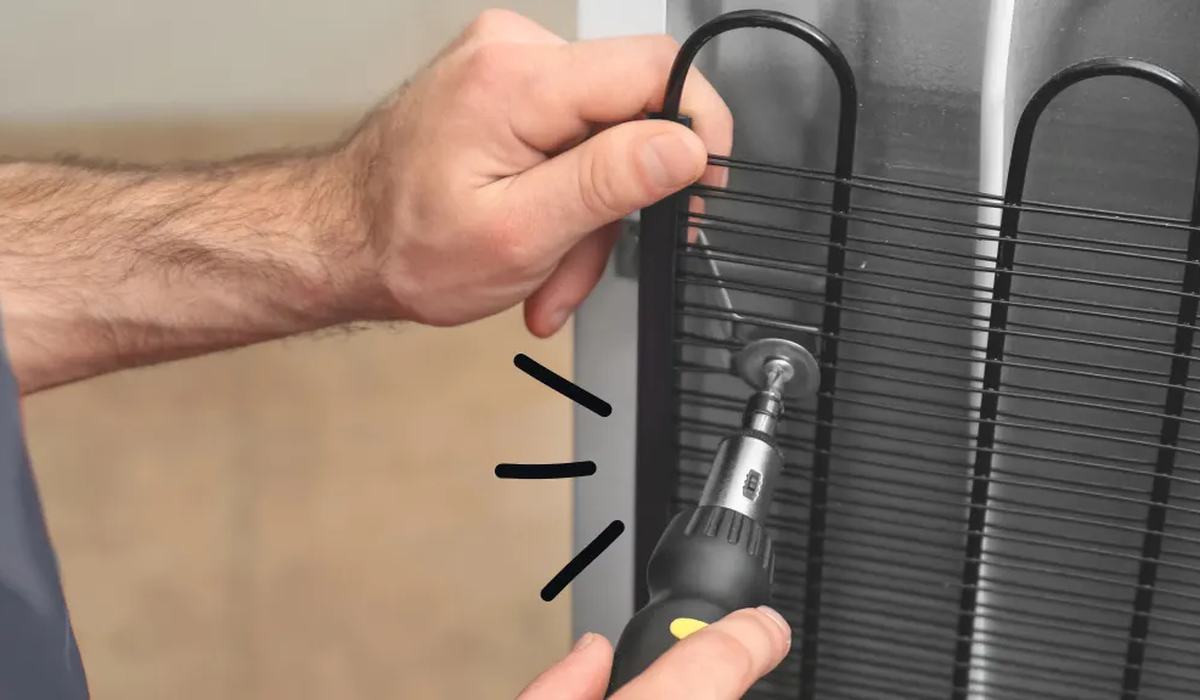
Replacement glass shelf — measure and match
Match the width, depth, thickness and corner notch, and order by model number. A shelf that does not seat properly can shatter under load.
Check Price on Amazon →Crisper drawer — order by model number
Crisper drawers are model-specific because the runners and tabs differ. Check the exploded diagram for the upper or lower position before ordering.
Check Price on Amazon →Interior refrigerator parts — shelves, drawers, bins and frames — cost $20–$80 and keep a working fridge in service. Identify the model, note the exact position, check the exploded diagram, and measure before ordering. Generic parts work for glass shelves only when the dimensions match exactly.
Frequently asked questions
Buying used interior parts
| Part | Salvage viable? | Note |
|---|---|---|
| Glass shelf | Yes | Inspect edges for chips |
| Crisper drawer | Yes | Check the tabs carefully |
| Door bin | Yes | Clips crack in transit |
| Shelf frame | Yes | Usually cheap used |
| Drawer runner | Rarely | Often model-specific |
| Control parts | No | Buy new |
Interior parts are the one category where used is genuinely sensible. They are not wear items in the mechanical sense — a glass shelf that has survived one fridge has no reason to fail in another — and used parts often cost a third of new. The appliances they come from are usually scrapped for compressor faults, which leaves the interiors almost untouched.
The check when buying used is the mounting points. Inspect the tabs and clips on a drawer or bin under a bright light, and be wary of any white stress marks at the corners. A drawer with a cracked tab will drop out on first use.