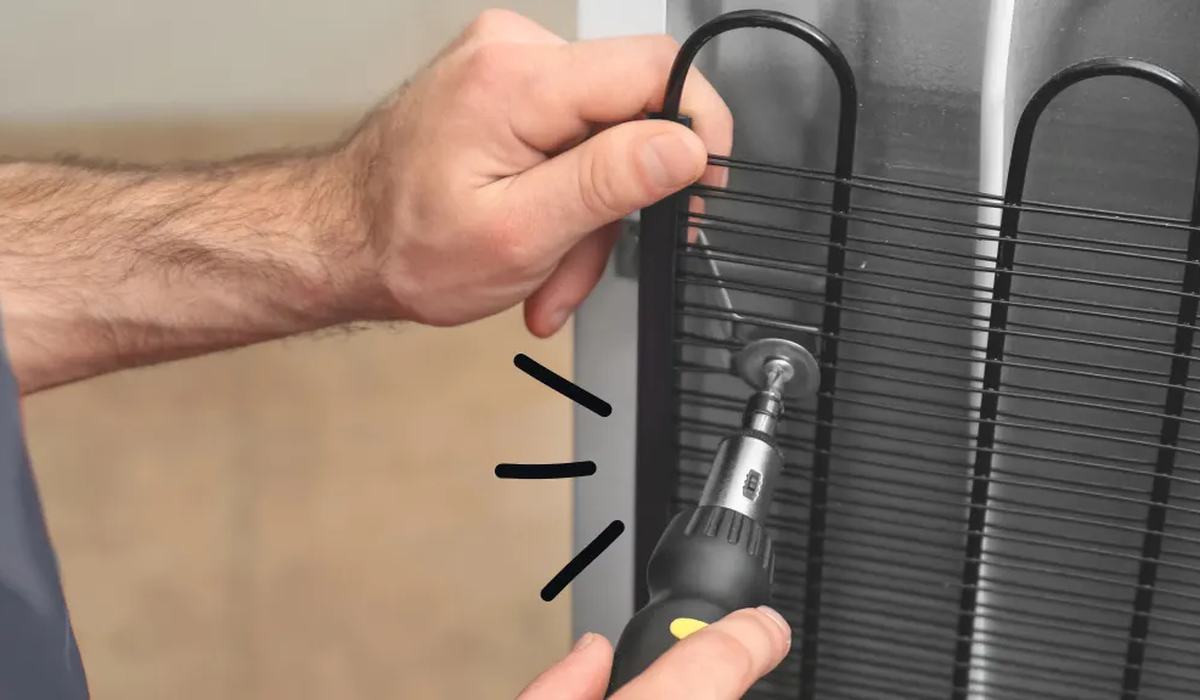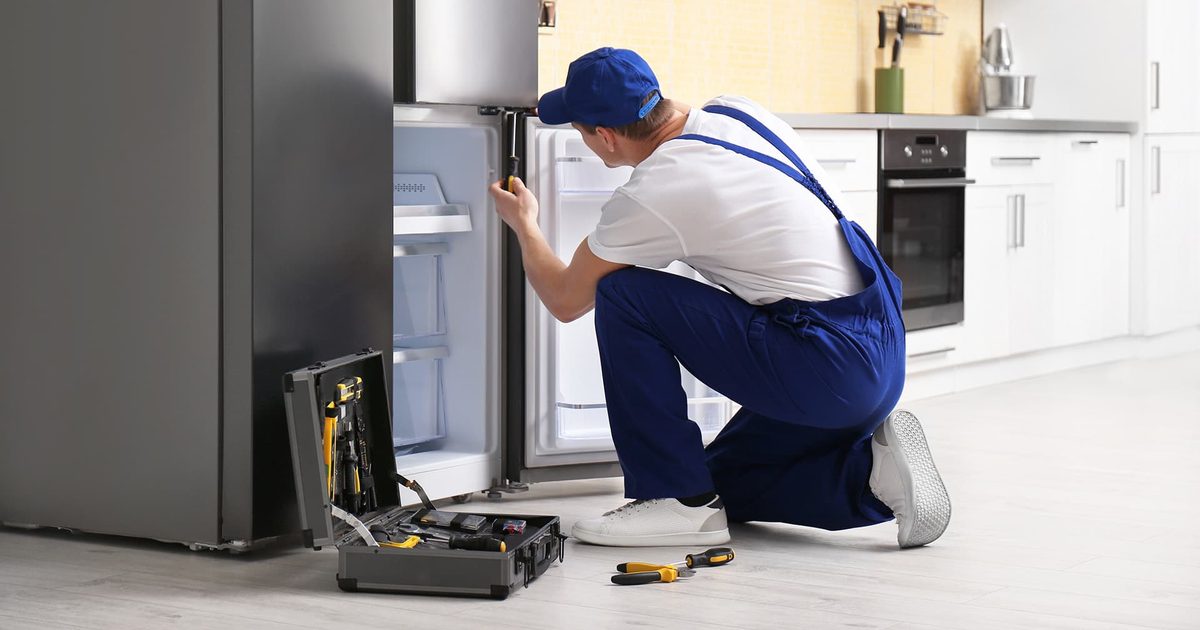
Appliance parts come in three grades: genuine OEM parts made by or for the manufacturer, aftermarket parts made by a third party to the same specification, and universal parts designed to fit a range of models. The price gap between them is often threefold, and the question is which gaps you can safely exploit.
The answer is not uniform. Some parts — a door gasket, a glass shelf — are mechanically defined and a good aftermarket part is indistinguishable in service. Others — a thermistor, a control board, a sealed-system component — are calibrated, and a generic substitute causes faults that are hard to diagnose.
- Buy OEM: anything electronic, calibrated or safety-related.
- Aftermarket is fine: mechanical parts defined by shape and dimension.
- Never universal: thermistors, control boards, gas parts, sealed-system parts.
- Judge by function, not by price difference alone.
- When in doubt, OEM — the difference is usually $10–$30.
On this page
The three grades of part
| Grade | Made by | Fit confidence | Typical price |
|---|---|---|---|
| Genuine OEM | Manufacturer or its supplier | Exact | $$$ |
| Aftermarket (spec-matched) | Third party to OEM spec | Usually exact | $$ |
| Aftermarket (generic) | Third party, approximate | Variable | $ |
| Universal | Third party, fits many | Low | $ |
| Salvage | Another appliance | Exact if same model | $$ |
Where aftermarket is safe
| Part | Aftermarket safe? | Why |
|---|---|---|
| Door gasket | Yes, if spec-matched | Defined by shape and magnet strength |
| Glass shelf | Yes, if dimensions match | A piece of tempered glass |
| Crisper drawer | Sometimes | Tabs are model-specific |
| Door bin | Sometimes | Clips are model-specific |
| Rollers and levelling feet | Yes | Simple mechanical |
| Drain tube | Yes | A length of tubing |
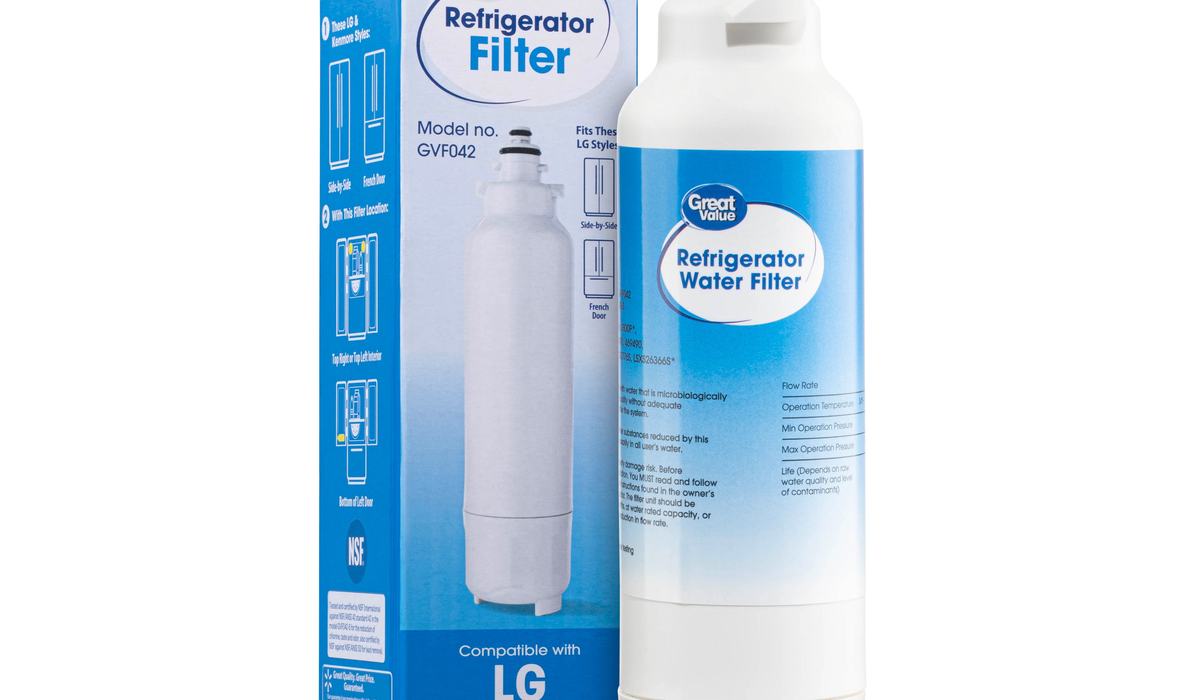
| Water filter | Only if certified | Certification matters, brand less so |
| Shelving and frame | Rarely | Profiles differ |
For a gasket, the deciding factors are profile shape and magnetic strength — both measurable. A spec-matched aftermarket gasket seals as well as the original. For a glass shelf, the deciding factors are width, depth, thickness and corner notch. Both are cases where the part is defined by its geometry rather than by a calibration.
Where you must buy OEM
| Part | Why generic fails |
|---|---|
| Thermistor / temperature sensor | Resistance curve is specific; a wrong curve gives wrong temperatures |
| Control board | Programmed for the model; a generic board misbehaves |
| Thermostat | Calibrated set points differ by model |
| Start relay | Must match the compressor's start characteristics |
| Gas valves and burners | Safety-critical; wrong parts are dangerous |
| Sealed-system components | Must match refrigerant and pressures |
| Door switches | Often integrated with the board's logic |
| Defrost timer | Cycle timings are model-specific |
A thermistor with the wrong resistance curve reads plausibly at room temperature and wrongly when cold, so the fridge misbehaves intermittently and no test seems to find the fault. This is the single most frustrating outcome of buying generic, and it is entirely avoidable.
Telling them apart
- Check the part number on the part itself, and search that number — not just the model.
- OEM parts usually carry the manufacturer's branding and a full part number.
- Spec-matched aftermarket parts list the OEM number in their compatibility list.
- Generic parts say 'fits many models' or show a range rather than a specific number.
- Check certification marks on water filters and electrical parts.
- Read reviews for fitment complaints rather than performance praise.
- Ask the retailer whether it is genuine, spec-matched or generic — a good one will say.
The cost of getting it wrong
| Wrong part | Immediate effect | Worse effect |
|---|---|---|
| Generic thermistor | Runs cold or warm | Intermittent faults for months |
| Generic control board | Erratic operation | Can damage other components |
| Wrong start relay | Compressor will not start | Repeated attempts damage windings |
| Wrong defrost thermostat | Defrost never ends or never starts | Ice build-up or overheating |
| Uncertified water filter | No filtration benefit | Possible contamination |
| Generic gas part | Unsafe combustion | Carbon monoxide risk |
The pattern is that a wrongly specified part does not simply fail to work — it produces symptoms that look like a different fault, and you spend the money you saved on the next diagnosis. Electronic and calibrated parts are where this bites hardest.
A decision framework
- Is the part electronic, calibrated or safety-related? If yes, buy OEM. No exceptions.
- Is the part defined by its dimensions? A gasket, a shelf, a tube — aftermarket is fine if the spec matches.
- Does the aftermarket listing give the OEM part number? If it does, the maker has matched the spec.
- How much is the saving? Under $20, buy OEM and remove the risk.
- How hard is the job? If it is a two-hour teardown, buy OEM so you do not repeat it.
- Is it safety-critical? Gas, mains wiring and sealed systems — OEM or a professional.
- Can you return it? If not, OEM.
Buy OEM for thermistors, control boards, thermostats, relays, and anything gas or safety-related. Buy spec-matched aftermarket for gaskets, glass shelves, tubing and simple mechanical parts. Never buy 'universal' for anything calibrated — the savings are cancelled by a fault that is harder to find than the original one.
Frequently asked questions
Parts and your warranty
| Situation | OEM part | Aftermarket part |
|---|---|---|
| Appliance under warranty | Warranty preserved | Manufacturer may refuse a related claim |
| Extended warranty active | Required in most policies | May void the policy |
| Out of warranty | No impact | No impact |
| Rental property, landlord's appliance | Ask first | Ask first |
| Safety-related part | Always OEM | Not acceptable |
If the appliance is still under warranty, fitting a non-OEM part gives the manufacturer a legitimate reason to refuse a later claim on a related failure. That is not hypothetical: a control board damaged after an aftermarket thermistor was fitted is a very common warranty dispute, and the manufacturer is on solid ground.
For an appliance past its warranty, this consideration disappears entirely, and the decision comes back to function. Mechanical parts, aftermarket is fine. Electronic and calibrated parts, OEM unless you enjoy intermittent faults.
Deciding between OEM and universal
The choice is rarely about quality alone. It is about tolerance, fit and how much of your time a slight mismatch costs if the part does not seat correctly.
| Factor | OEM | Universal |
|---|---|---|
| Fit | Exact for the model | Close, needs checking |
| Price | Higher | Lower |
| Availability | May be discontinued | Widely stocked |
| Warranty | Manufacturer-backed | Seller-dependent |
| Best for | Electronic and sealed parts | Mechanical and forgiving parts |
Use OEM for anything electronic or sealed, where a small electrical difference or an imperfect seal causes a failure that is hard to trace. Use universal for mechanical parts where fit is obvious and the consequences of a slight mismatch are visible immediately.
The middle ground is an OEM-equivalent part from a reputable manufacturer. It is often made on the same line as the branded part at a lower price, and the risk sits mainly in counterfeit listings rather than in the design.