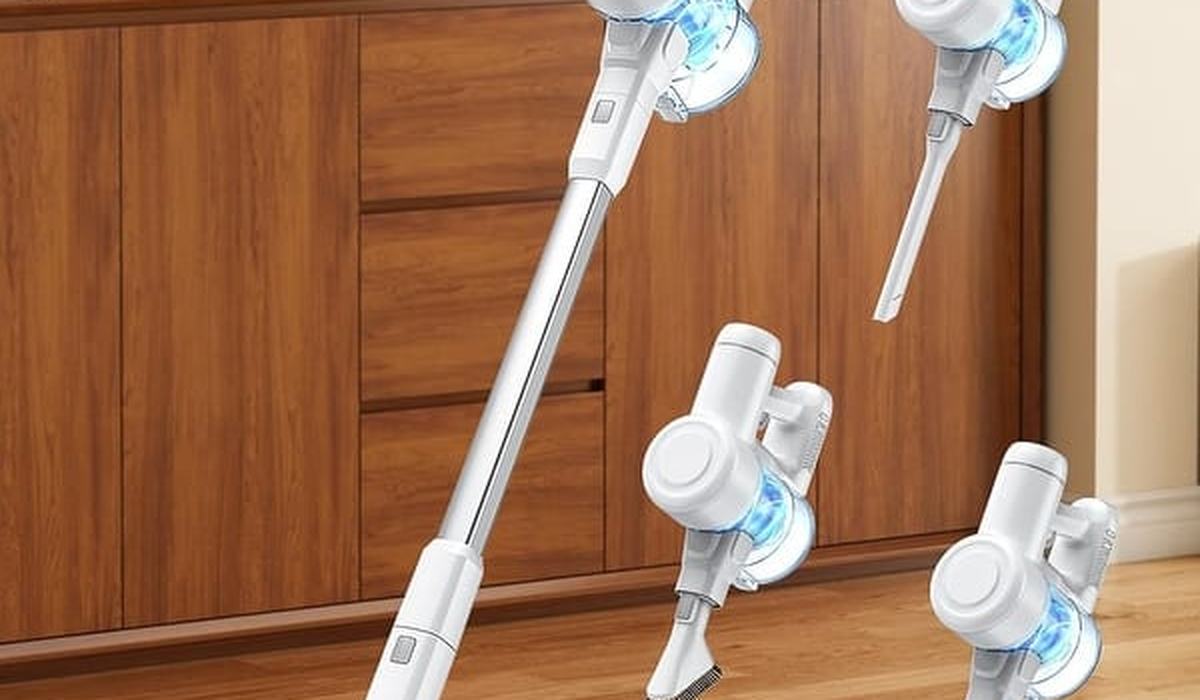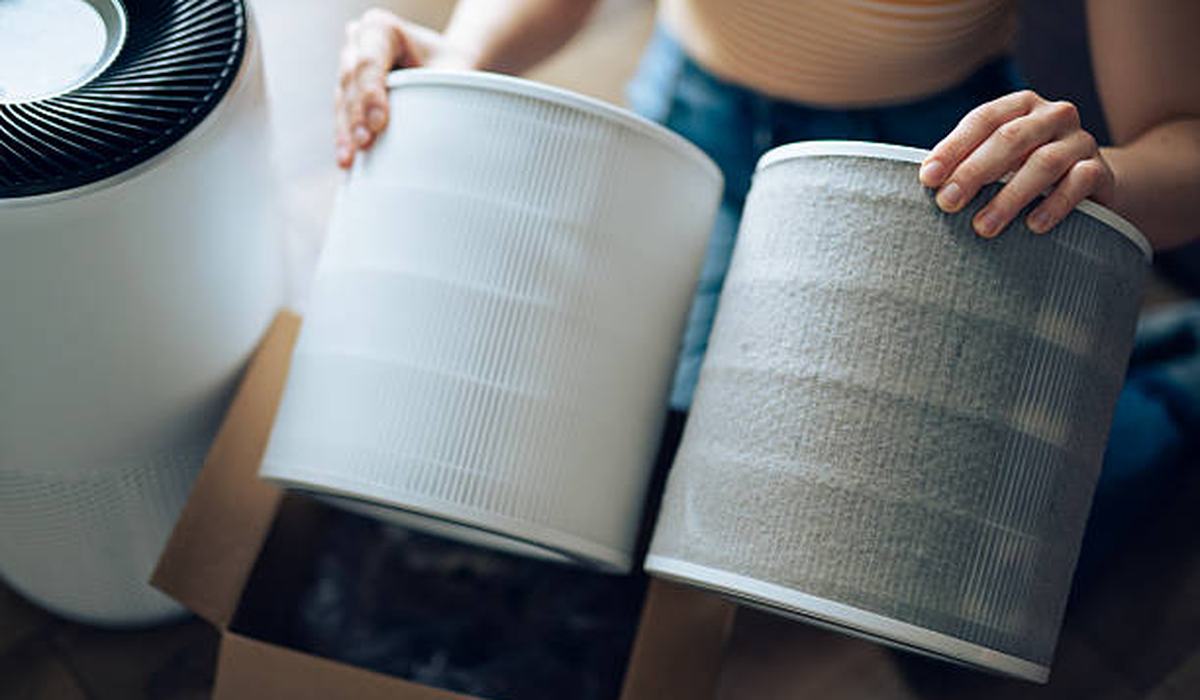
Vacuum filters do two jobs: they protect the motor from dust, and they stop fine particles from being blown back into the room. When a filter clogs, both jobs fail — suction drops and the vacuum starts exhausting dust. Replacing it is cheap and restores performance immediately.
This guide covers the filter types, how to choose a replacement, and the wash-versus-replace question.
- Best for allergies: a true HEPA filter.
- Best for general use: a standard pleated filter.
- Washable vs replace: washable lasts longer but filters less; replaceable filters better.
- Replace every 3–6 months for standard, 6–12 for HEPA.
- Never run a vacuum without a filter — it will damage the motor.
Filter types
| Type | Filtration | Washable | Best for |
|---|---|---|---|
| Standard pleated | Good | Sometimes | General cleaning |
| HEPA | 99.97% at 0.3 microns | Rarely | Allergies, pets |
| Foam pre-filter | Coarse | Yes | Protecting the main filter |
| Carbon | Odour | No | Pet and smoke odour |
| Cyclonic (no bag) | Varies | Yes | Bagless vacuums |
Choosing a replacement
Match the filter to your vacuum model exactly. Filters are not universal, and a filter that does not seal properly lets dust bypass it entirely. Check the model number on the vacuum's label, then search for that model's filter.
- Match the model number — a loose filter is worse than a dirty one.
- Prefer HEPA if anyone in the home has allergies.
- Buy a multi-pack so you always have a spare.
- Check for a foam pre-filter — it extends the main filter's life.
- Avoid unbranded filters with no filtration rating.
Wash or replace?
Some filters are washable and some are not, and washing a non-washable filter destroys it. Check the manual. A washable filter should be rinsed under cool water and left to dry completely for at least 24 hours before reinstalling — a damp filter grows mould and can damage the motor.
| Filter type | Wash? | Replace? |
|---|---|---|
| Washable foam | Yes, monthly | Every 6–12 months |
| Washable HEPA | Sometimes | Every 6–12 months |
| Standard pleated | No | Every 3–6 months |
| Carbon | No | Every 2–3 months |
| Paper HEPA | No | Every 6–12 months |
A filter that is still wet after washing restricts airflow, grows mould, and can damage the motor. Let it dry for a full 24 hours before reinstalling.
Replacement schedule
How often you replace a filter depends on use and on whether you have pets. A vacuum used weekly in a pet-free home may go six months; the same vacuum in a home with a heavy shedder may need a filter every three months.
- Check the filter monthly and tap out loose dust.
- Replace standard filters every 3–6 months.
- Replace HEPA filters every 6–12 months.
- Replace immediately if suction drops or the vacuum smells musty.
- Keep a spare so you are never tempted to run without one.
Match the filter to your exact vacuum model, prefer HEPA for allergies, and replace standard filters every 3 to 6 months. Wash only washable filters, and let them dry fully. Never run a vacuum without a filter.
Frequently asked questions
Replacement filters
A fresh filter restores suction and protects the motor.