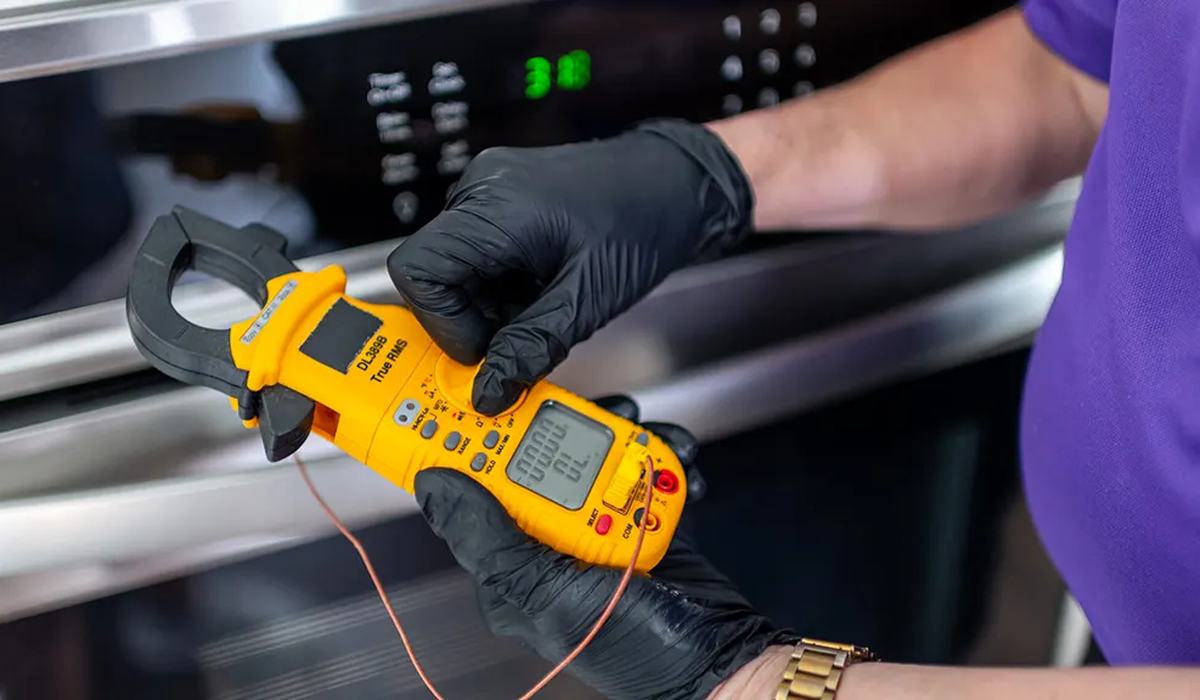
When an appliance will not turn on, the first question is whether the appliance is dead or the outlet is. A plug-in outlet tester answers that in five seconds, and it also tells you whether the outlet is wired correctly — which matters, because a miswired outlet can damage an appliance or shock you.
This guide covers what an outlet tester actually checks, and the six models worth buying for apartment appliance repair.
On this page
What an outlet tester checks
A basic outlet tester plugs into a socket and lights up a combination of three lamps. The pattern tells you the wiring condition.
| Light pattern | Meaning | Action |
|---|---|---|
| All correct | Wired properly | Safe to use |
| Open hot | No power on the live wire | Check the breaker |
| Open neutral | Neutral disconnected | Call an electrician |
| Open ground | No earth connection | Call an electrician |
| Hot/neutral reversed | Wires swapped | Call an electrician |
| Hot/ground reversed | Wires swapped | Call an electrician |
The 6 best picks
1. Klein Tools RT210 — best overall
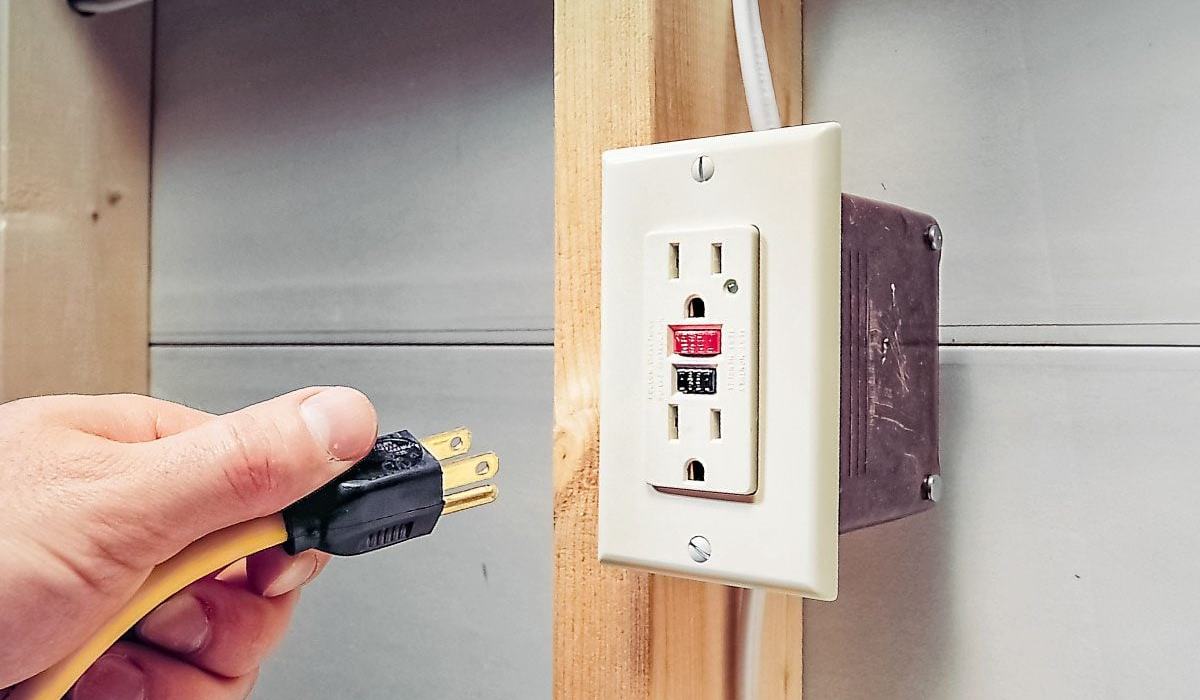
Klein Tools RT210
Clear fault lights, a GFCI test button and a rugged body. The tester most electricians carry.
Check Price on Amazon →The RT210 is the pick because it is unambiguous. The fault lights are bright and clearly labelled, the GFCI test button works reliably, and the body survives being dropped in a toolbox. For appliance repair, this is the one to keep in the drawer.
2. Sperry GFCI Outlet Tester — best budget
Sperry GFCI Outlet Tester
The same core function — wiring-fault lights and a GFCI test button — for a fraction of the price.
Check Price on Amazon →If you only need to check outlets occasionally, the Sperry does everything the Klein does for less. The build is lighter and the labels smaller, but the readings are the same.
3. Klein Tools NCVT-3P — best non-contact tester
Klein Tools NCVT-3P
A non-contact voltage tester with a built-in flashlight. Tells you if a wire is live without touching it.
Check Price on Amazon →A non-contact tester is the safety companion to an outlet tester. Before you touch any wire, hold it near the conductor — if it beeps, the wire is live. The built-in flashlight is genuinely useful behind an appliance.
4. Gardner Bender GVD-504A — best value non-contact
Gardner Bender GVD-504A
A simple, reliable non-contact voltage tester at a low price. Adjustable sensitivity.
Check Price on Amazon →The Gardner Bender is the budget non-contact option. It lacks the flashlight and the build quality of the Klein, but it does the core job of telling you whether a wire is live.
5. Southwire 40150N — best for GFCI-heavy apartments
Southwire 40150N
A GFCI tester with a clear readout and a solid GFCI trip test. Good for kitchens and bathrooms.
Check Price on Amazon →If your apartment has GFCI outlets in the kitchen and bathroom — and most do — a tester with a reliable GFCI trip function is worth having. The Southwire is built for that job.
6. Extech CT70 — best for serious diagnostics
Extech CT70
Tests outlets, GFCI, AFCI and voltage drop. The step up when you want more than a pass/fail light.
Check Price on Amazon →The CT70 goes beyond a basic tester: it measures voltage drop and tests AFCI as well as GFCI. If you do a lot of appliance diagnostics, the extra data is useful. For occasional use, it is more than you need.
GFCI testing
GFCI outlets are the ones with the test and reset buttons, required in kitchens, bathrooms and anywhere near water. They cut power when they detect a fault, and they can fail silently — which is why they should be tested regularly.
- Plug the tester into the GFCI outlet.
- Press the test button on the tester. The outlet should cut power and the tester lights should go out.
- Press the reset button on the outlet to restore power.
- If the outlet does not cut power, the GFCI has failed and needs replacing.
How to use one
Using an outlet tester takes seconds, and the order matters: test the outlet before you touch the appliance.
- Plug the tester into the outlet the appliance uses.
- Read the light pattern and compare it to the chart on the tester or in this guide.
- If the outlet is correct, plug the appliance back in and diagnose the appliance.
- If the outlet shows a fault, stop — the problem is the wiring, not the appliance.
- For a GFCI outlet, press the tester’s test button and confirm the outlet cuts power.
This five-second check saves a lot of wasted effort. There is no point testing a compressor or a heating element if the outlet was never supplying power in the first place.
Frequently asked questions
Do I really need an outlet tester for appliance repair?
What is the difference between an outlet tester and a multimeter?
Can an outlet tester detect a reversed hot and neutral?
How do I test a GFCI outlet?
Is a non-contact voltage tester worth having too?
Related guides