The biggest barrier to DIY appliance repair is thinking you need a workshop full of tools. You do not. Five tools cover the vast majority of repairs, and you can add the rest as you go. This guide tells you exactly where to start.
Buy these five first, learn to use them, and you will be able to diagnose and fix most common appliance faults.
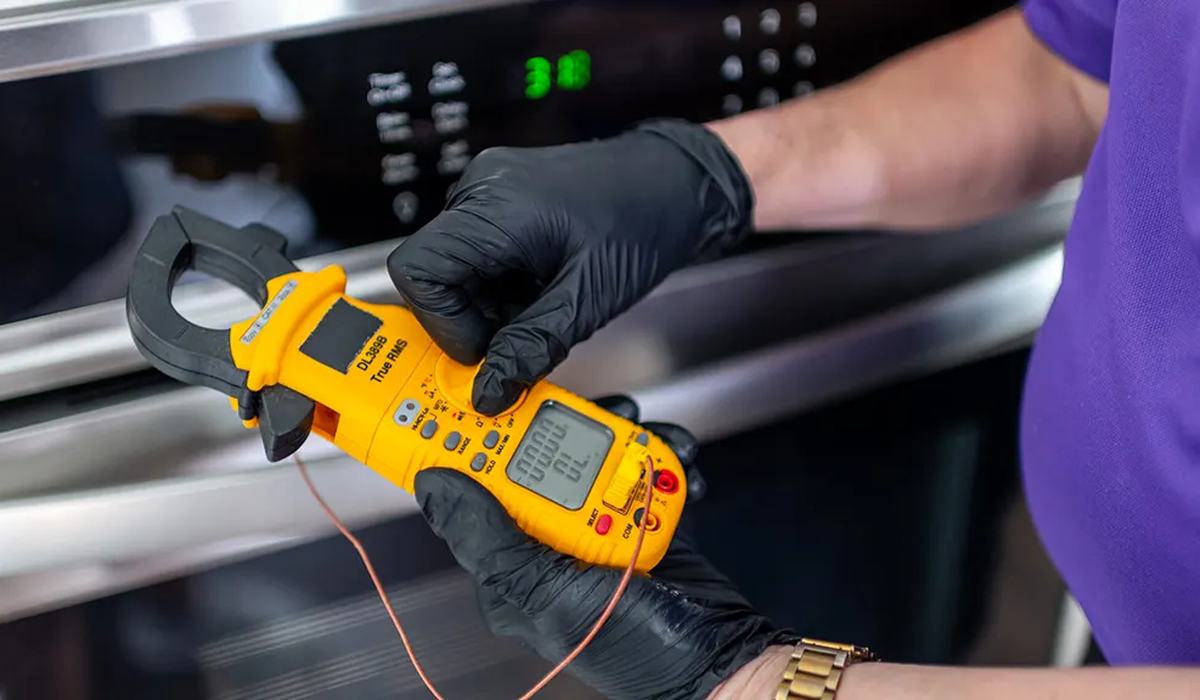
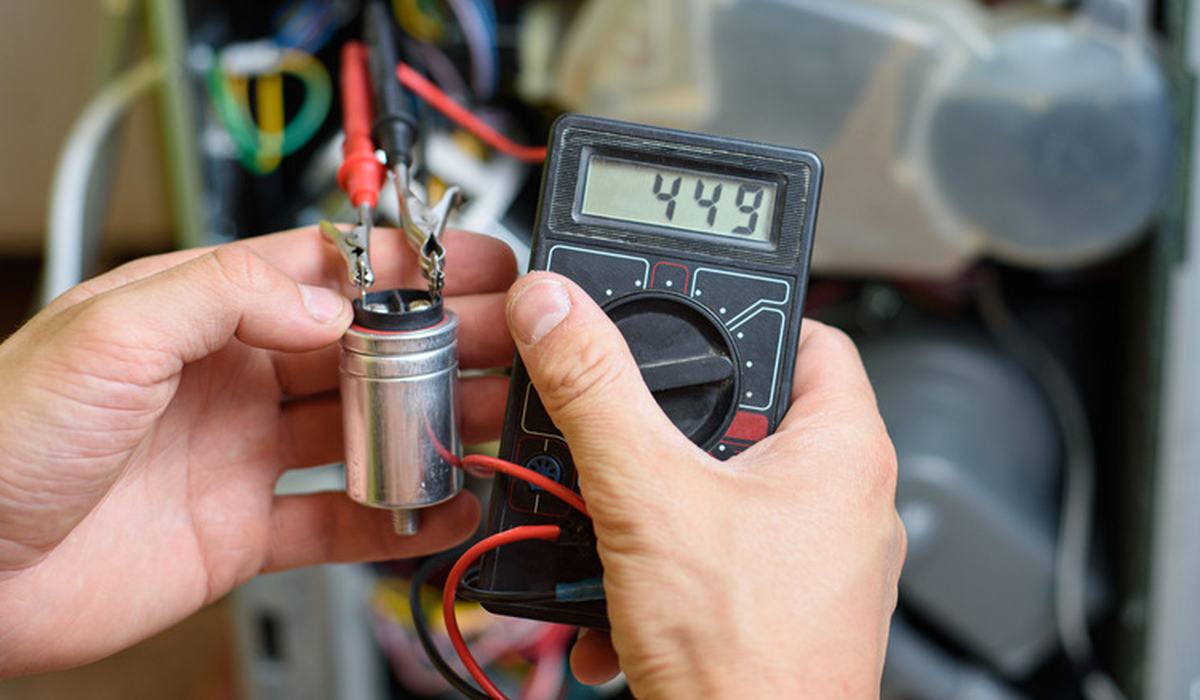
- Tool 1: a multimeter — the diagnostic tool.
- Tool 2: a nut driver set — appliances use hex screws.
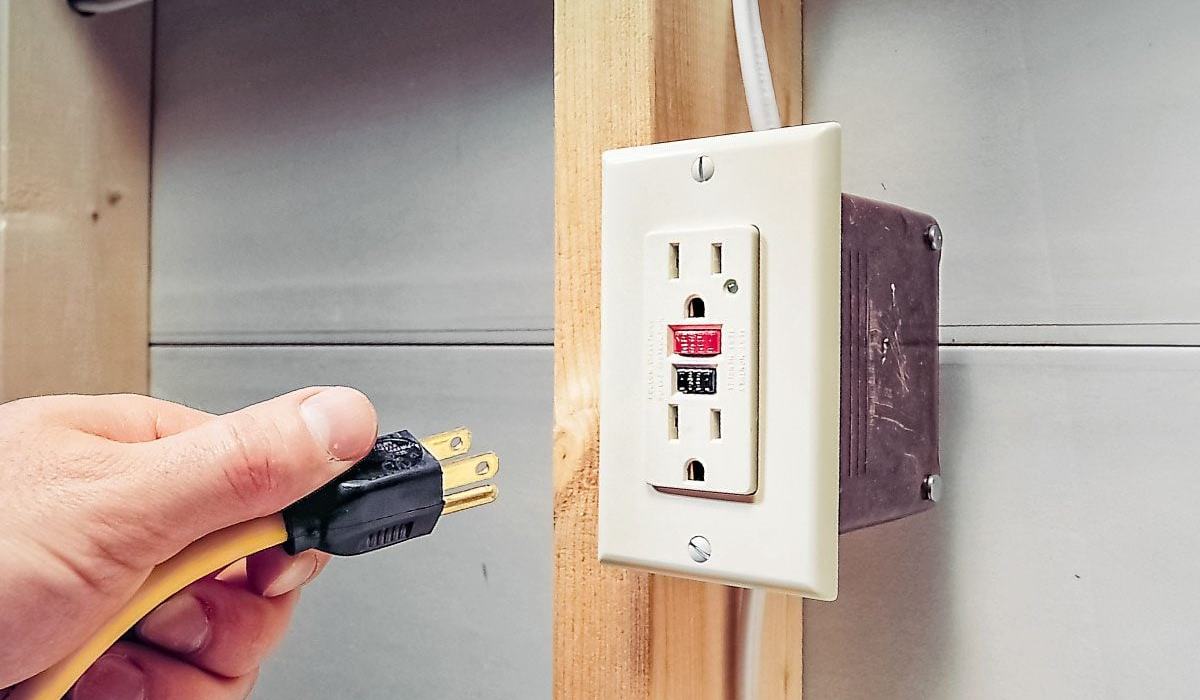
- Tool 3: a non-contact voltage tester — safety first.
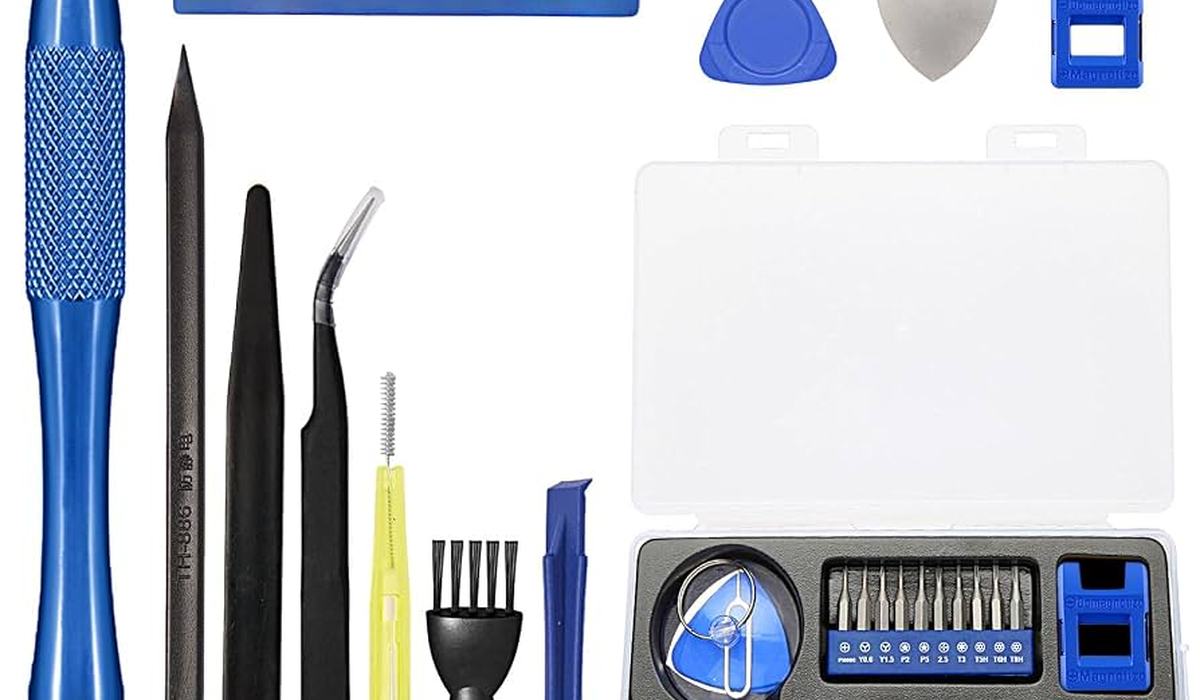
- Tool 4: a screwdriver set — Phillips and flat.
- Tool 5: a putty knife — prying panels without damage.
The five starter tools
| Tool | Approx price | What it does |
|---|---|---|
| Multimeter | $30–$50 | Tests continuity, voltage, resistance |
| Nut driver set | $20–$40 | Opens hex-head appliance screws |
| Voltage tester | $20–$30 | Confirms power is off before you touch |
| Screwdriver set | $20–$40 | Phillips and flat, all sizes |
| Putty knife | $5–$10 | Pries panels without cracking them |
Why these five
These five cover the whole repair process. The voltage tester keeps you safe. The nut drivers and screwdrivers open the appliance. The putty knife gets panels off without damage. The multimeter finds the fault. Everything else is a refinement.
The voltage tester is the one tool you must not skip. It costs under $30 and it is the difference between a safe repair and a dangerous one. Test the outlet before you open anything.
What to add next
- Pliers — for hose clamps and small parts.
- Adjustable wrench — for water and gas fittings.
- Headlamp — appliance bays are dark.
- Magnetic parts tray — so screws do not get lost.
- Capacitor tester — if your meter lacks capacitance.
- Zip ties and tape — for securing wires and hoses.
Learning as you go
- Start with simple jobs — a door gasket or a filter.
- Photograph as you disassemble so you can reassemble.
- Look up your model number for parts and diagrams.
- Test before replacing — do not guess.
- Keep a notebook of what you learn.
- Build up slowly — confidence comes with practice.
Start appliance repair with five tools: a multimeter, a nut driver set, a non-contact voltage tester, a screwdriver set and a putty knife. That is under $150 and covers most repairs. Add pliers, a wrench and a headlamp as you go.
Frequently asked questions
Starter tool kit
A focused kit plus a multimeter covers most appliance repairs.