In winter, apartment humidity drops hard. Heating a sealed flat does not add moisture, it removes relative humidity by warming the same amount of air. By January, many apartments sit below 25% — well under the 30–50% healthy band.
The symptoms are easy to recognise once you know them: a sore throat on waking, dry and itchy eyes, static shocks off every door handle, and dust that hangs visibly in low sunlight because it never clumps and settles.
- Best overall: a 1–2 gallon evaporative humidifier — no white dust, quiet, holds a bedroom overnight.
- Best for hard water: evaporative, always. Ultrasonic units turn minerals into a fine white powder over your furniture.
- Best small bedroom: a 0.5–1 gallon ultrasonic or evaporative unit with a top-fill tank.
- Never: over-humidify. Above 60% you grow mould behind the headboard.
On this page
Why apartment bedrooms dry out
- Heating lowers relative humidity. Cold outside air holds little water. Warm it up and the same air becomes dry, even though nothing was removed.
- Sealed rooms stay sealed. A bedroom door closed all night is a fixed volume of air that only gets drier as the radiator runs.
- Bathroom extraction pulls moisture out. Good ventilation is great for mould, but it removes the humidity you would otherwise benefit from.
- Winter outdoor air is dry. In cold climates, outdoor humidity drops to the teens in deep winter.
The fix is to add moisture deliberately, in one room, at a controlled rate — not to fill the whole flat and turn the windows into a swimming pool.
Ultrasonic vs evaporative: pick one before you shop
| Ultrasonic (cool mist) | Evaporative (wick) | Warm mist (steam) | |
|---|---|---|---|
| How it works | Vibrates water into a fine mist | Fan blows air through a wet wick | Boils water into steam |
| White dust | Yes, if water is hard | No — minerals stay in the wick | No |
| Noise | Silent | Low fan hum | Quiet, but gurgles |
| Mould risk | Higher if over-used | Low | Lowest (steam is sterile) |
| Power | Low | Low | Higher |
| Best for | Soft water, small rooms | Most apartments | Very dry rooms, allergies |
If your tap water leaves a crust on the kettle, an ultrasonic humidifier will spray that same mineral content into the air as fine white powder. It settles on every surface within a metre and is not good to breathe. Either use distilled water (expensive at scale) or choose an evaporative unit, where the minerals stay in the wick.
The 5 best picks for an apartment bedroom
| Model | Type | Tank | Noise | Price | Verdict |
|---|---|---|---|---|---|
| Levoit Classic 300S | Ultrasonic + app | 0.75 gal | ~28 dB | ~$70 | Best overall |
| Honeywell HCM-350 | Evaporative | 1 gal | ~35 dB | ~$80 | Best no-white-dust |
| Vicks V745A warm mist | Warm mist | 1 gal | ~35 dB | ~$50 | Best for congestion |
| Vornado Evap40 | Evaporative, large | 1 gal | ~38 dB | ~$90 | Best for bigger rooms |
| Pure Enrichment MistAire | Ultrasonic budget | 0.5 gal | ~30 dB | ~$40 | Cheapest decent |
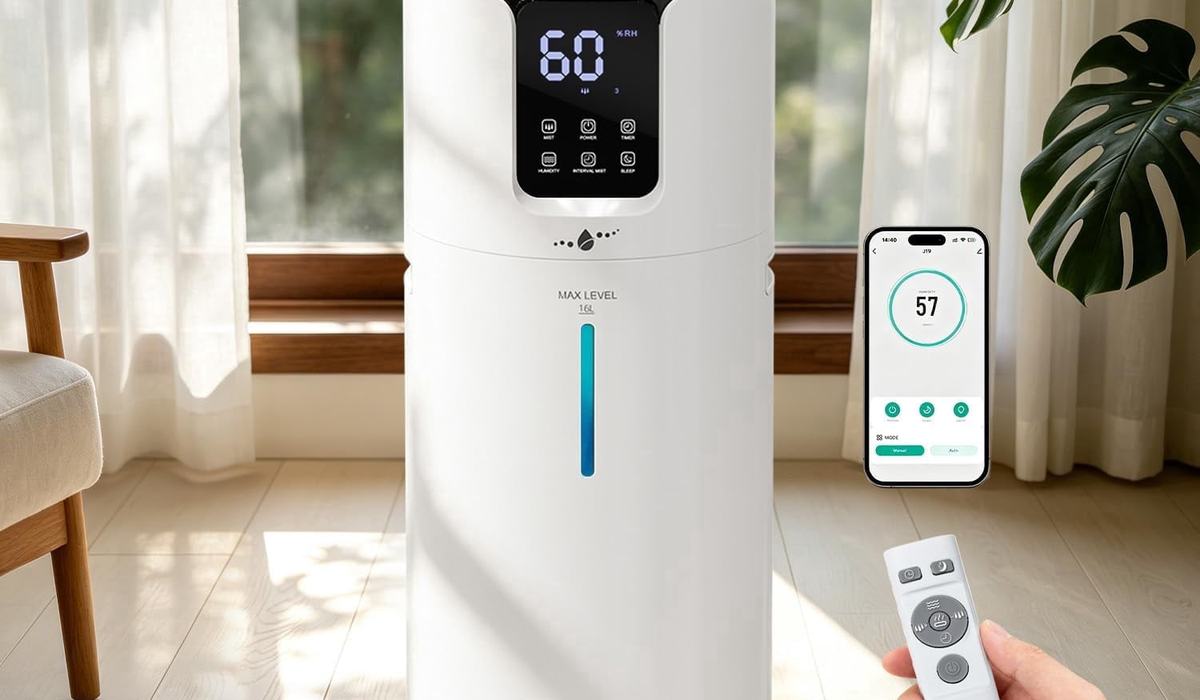
Levoit Classic 300S — best overall for a bedroom
Whisper-quiet, top-fill (so no carrying the tank to the sink), app scheduling and an auto humidity target. Use distilled water if your tap water is hard.
Check Price on Amazon →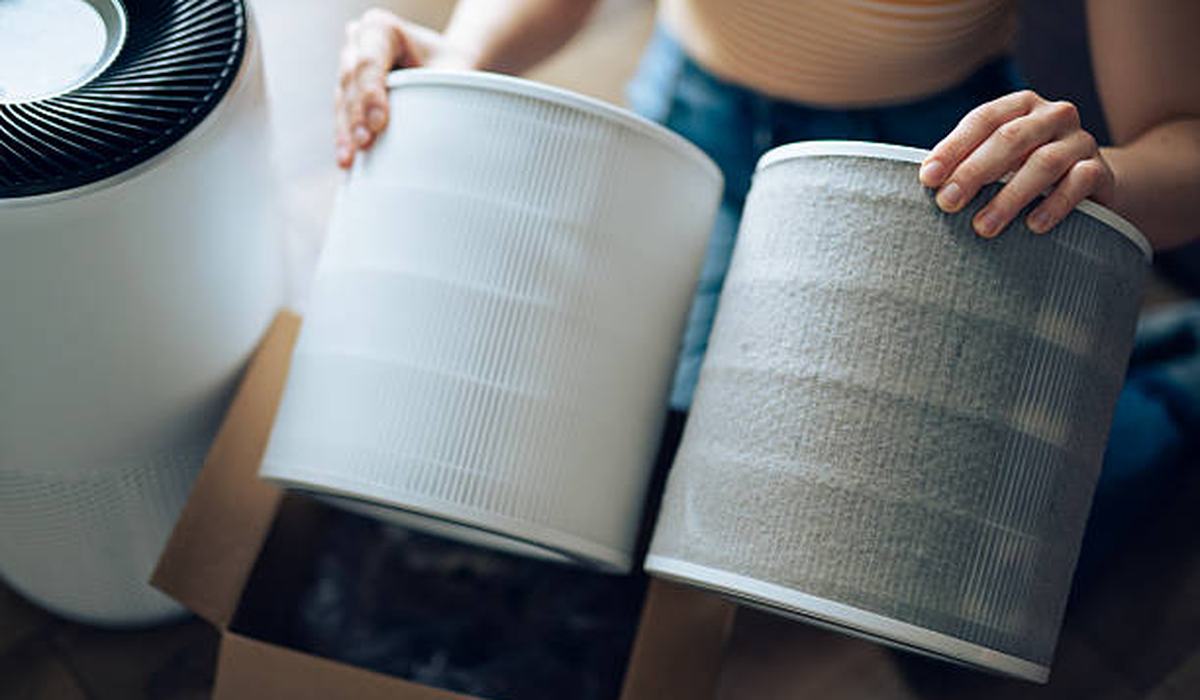
Honeywell HCM-350 — best if you have hard water
Evaporative units leave minerals in the wick, so nothing is sprayed into your room. Slightly more fan noise, no dust on your furniture. The right call for most apartments with hard water.
Check Price on Amazon →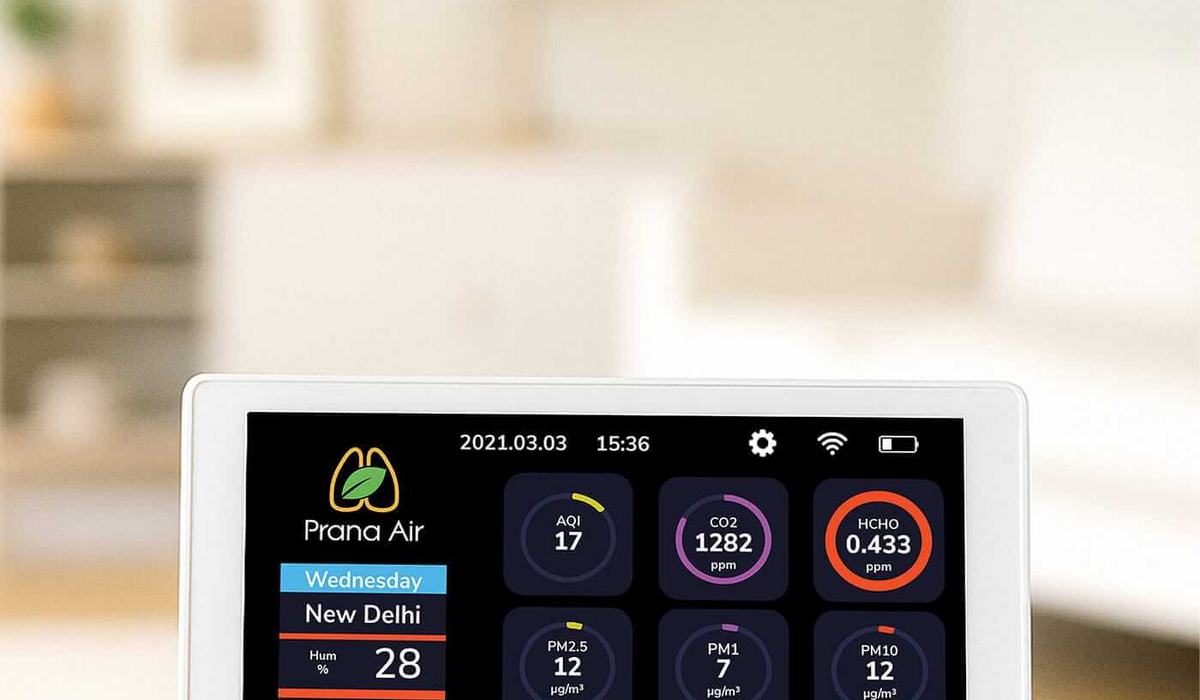
A cheap hygrometer — buy this with the humidifier
You cannot manage humidity you cannot see. A $12 hygrometer stops you over-humidifying, which is the fastest route to mould behind the bed.
Check Price on Amazon →Noise, tank life and running cost
Three numbers decide whether you will actually use a bedroom humidifier.
- Noise. Below 30 dB is effectively silent at arm's length. Above 40 dB becomes noticeable in a quiet room. Ultrasonic units are quietest; evaporative units have a low fan hum.
- Tank life. A 0.75-gallon tank on low mist lasts one night in a small bedroom. If a full tank does not last the night, you will be refilling it at 3 a.m. — buy bigger.
- Running cost. Ultrasonic and evaporative units draw 20–50 W, so running one eight hours a night for a month costs roughly $1–$2. Warm-mist units draw 200–300 W and cost several times more.
Put the humidifier on a nightstand at roughly chest height, not on the floor. Mist rises and spreads; a floor unit just wets the carpet. Aim the output slightly away from the wall so it does not condense on the plaster.
How not to grow mould
A humidifier used carelessly is a mould factory. Three rules prevent it:
- Target 40–45%, never above 60%. A hygrometer is not optional. If windows stream with condensation in the morning, you are over-humidifying.
- Empty and dry the tank daily. Standing water in a warm room grows biofilm within 48 hours, and every mist cycle then aerosolises it.
- Clean weekly with vinegar. A dilute white-vinegar rinse dissolves mineral scale and kills biofilm without leaving a fragranced residue you then breathe in for eight hours.
If you already have mould on a wall, a humidifier will make it worse. Solve the damp with a dehumidifier and ventilation first.
For most apartments, a 0.75–1 gallon evaporative unit is the safe choice — no white dust, low mould risk and a fan hum you can sleep through. If your water is soft and you want silence, an ultrasonic unit with an auto-target works well. Add a $12 hygrometer and keep the room at 40–45%.
Frequently asked questions
Getting the humidity right
| Relative humidity | Effect | Action |
|---|---|---|
| Under 30% | Dry air, irritated airways, static | Add humidity |
| 40–50% | Comfortable and healthy | Ideal |
| 50–60% | Acceptable | Watch for condensation |
| Over 60% | Dust mites and mould thrive | Stop humidifying; ventilate |
The most common humidifier mistake is running one continuously in a sealed room without measuring. In a small bedroom, output that is comfortable in January produces condensation on the window by March. A cheap hygrometer removes the guesswork entirely, and it costs less than the humidifier's first filter.
Ultrasonic humidifiers are effectively silent and suit a bedroom; evaporative units add a faint fan noise; warm-mist units are quiet but use far more power. For a rented flat with thin walls, ultrasonic at the lowest output is usually the right answer.