Air purifier marketing implies everyone needs one. That is not true, and in a small apartment a poorly chosen unit can even make things feel worse by adding noise and a fan you never use. This page is the honest version: when a purifier earns its place, and when your money is better spent elsewhere.
- Yes, you probably need one if you have allergies or asthma, a pet, a smoker nearby, wildfire smoke seasons, or an open-plan kitchen beside where you sleep.
- Probably not if your only complaint is stale air — that is a ventilation problem and a $0 fan habit fixes it.
- Not first if your air is humid or damp. Fix humidity before buying filtration.
On this page
The two-minute self-test
- Stand in your apartment with the windows shut for an hour. Does the air feel stale and stuffy, or dusty and irritating?
- Run your finger along a shelf. Is the dust film grey and fine within two days of cleaning?
- Fry an onion with the exhaust fan on. Can you still smell it in the bedroom an hour later?
- Do you wake with a blocked nose or dry throat even though you are not ill?
Stuffy and stale → ventilation. A purifier will not help and you will notice no difference. Dusty, irritated, lingering smells, blocked nose → particles and allergens. A purifier will help, measurably.
Four situations where a purifier clearly helps
1. You have allergies, asthma or hay fever
This is the strongest case. HEPA filtration reduces airborne pollen, dust-mite allergen and pet dander, and people with allergic rhinitis typically notice a difference within two weeks when the unit is correctly sized and run overnight in the bedroom.
2. You live with a pet in a small space
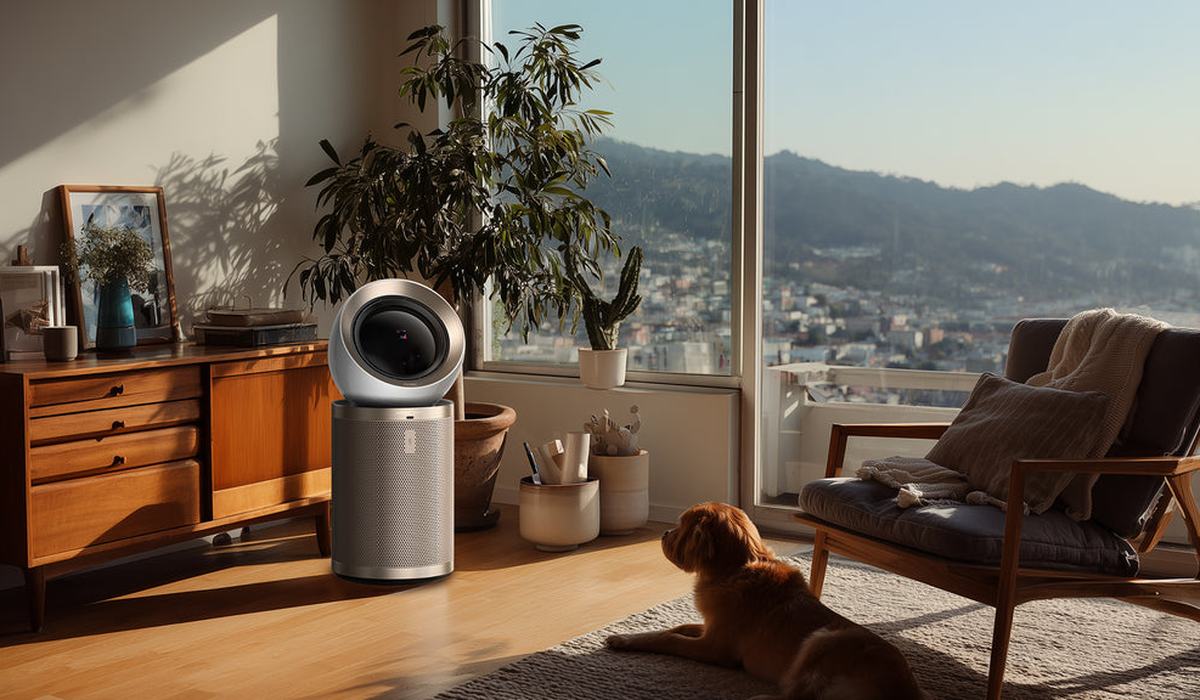
A 400 sq ft apartment with a shedding dog has far higher indoor allergen load than the same apartment without one, because there is nowhere for the dander to disperse. A purifier plus weekly HEPA vacuuming is the standard combination.
3. You cook in the same room you live in
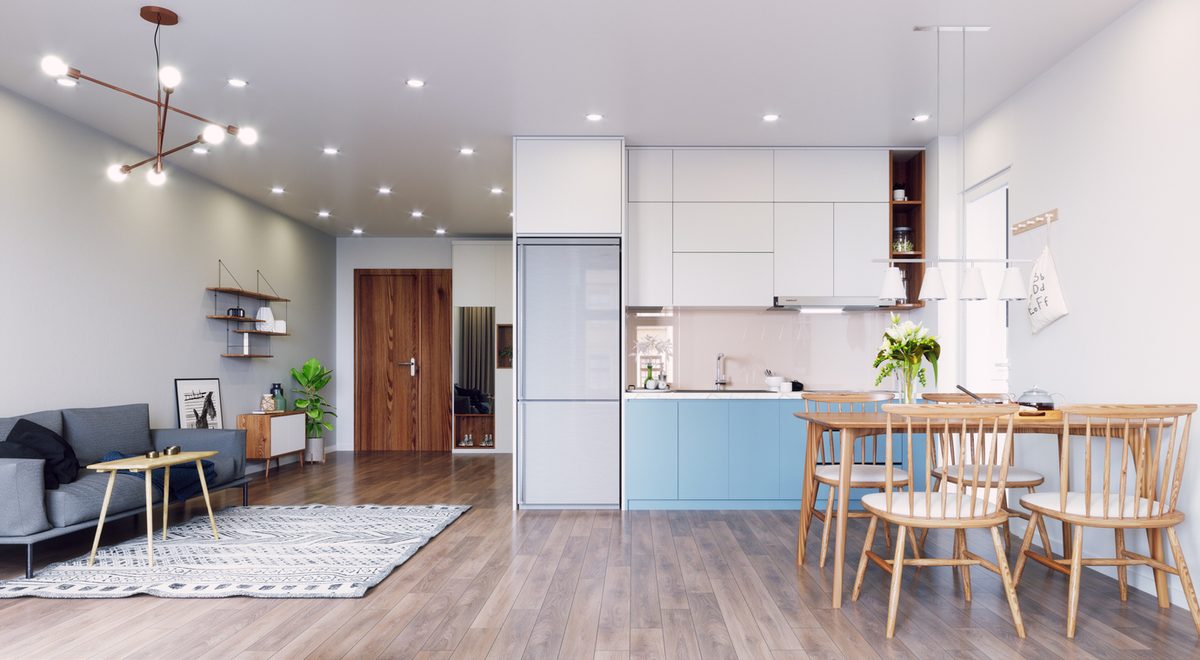
Studios and open-plan one-beds put the stove next to the sofa. Cooking aerosol is fine particulate and lingers. Filtration helps, though the exhaust fan should still be your primary tool.
4. You are in a smoke-affected region
During wildfire seasons, outdoor PM2.5 can exceed 150 µg/m³ for weeks. With windows shut, an apartment fills with smoke over a few hours. A correctly sized purifier keeps indoor levels far below outdoor ones, and this is one of the few times even a moderate unit makes a dramatic, visible difference.
Three situations where it does nothing for you
- Your problem is CO2 and stuffiness. Purifiers do not remove CO2. Open a window or run the exhaust fan — that is the entire fix.
- Your problem is damp and mould. Mould is a moisture problem. A dehumidifier and a squeegee solve it; a purifier just filters the spores after they have already colonised the wall.
- You will not run it. A purifier that is too loud becomes a $200 object you switch off at night — exactly when it matters most. If you cannot tolerate the noise on the speed you need, do not buy it.
Cheaper fixes worth trying first
| Fix | Cost | Solves |
|---|---|---|
| Run exhaust fan 20 min per cook | $0 | Cooking aerosol, smells, some CO2 |
| Crack windows twice daily for 10 min | $0 | Stale air, CO2, VOCs |
| Door draught seal | ~$12 | Corridor smoke and cooking smells entering |
| Wash bedding at 60°C fortnightly | $0 | Dust-mite allergen, the main bedroom irritant |
| Air quality monitor | ~$40 | Tells you whether you need filtration at all |
A $40 PM2.5 monitor is the cheapest way to avoid a $200 mistake. Log readings for three days. If PM2.5 never exceeds about 20 µg/m³ and your humidity is in range, you do not have an air quality problem — you have a ventilation habit problem.
If you do buy, buy this way
- Size by CADR — at least two-thirds of the room's square footage in CFM, more with pets.
- Check the noise at the speed you will actually use. Under 25 dB for a bedroom unit.
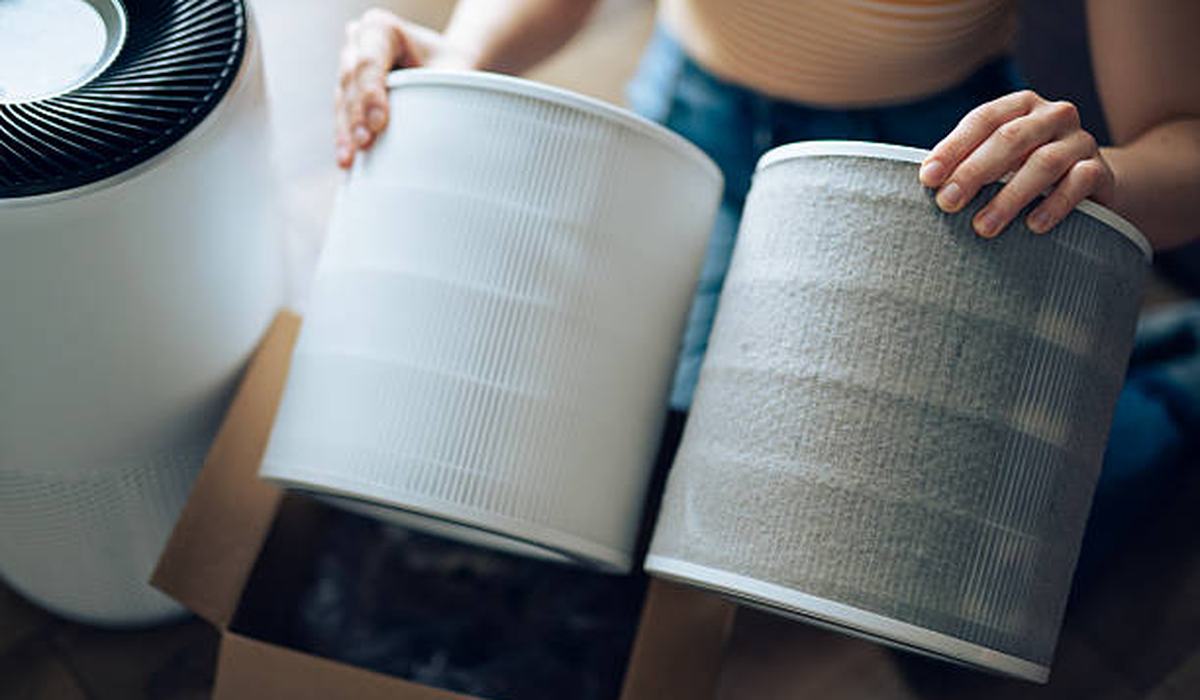
- Insist on True HEPA or H13 and a real carbon layer if smells matter.
- Budget the filters. $25–$45 every 6–12 months is the true running cost.
- Buy one good unit, not two cheap ones. Two small purifiers cost more and clean less than one correctly sized unit.
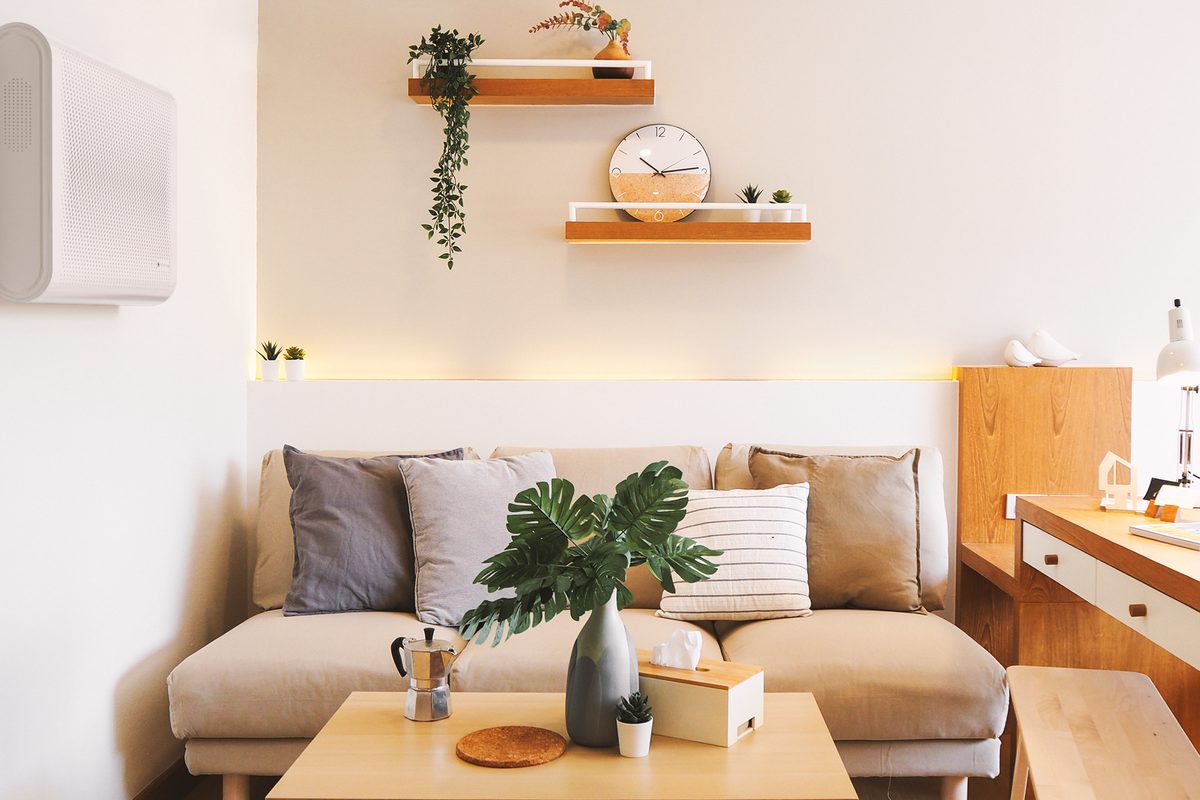
Levoit Core 300 — the default if you just need one good unit
Quiet at 24 dB, cheap filters, and sized right for a bedroom or small living room. If you have decided you need filtration, this is the least risky first purchase.
Check Price on Amazon →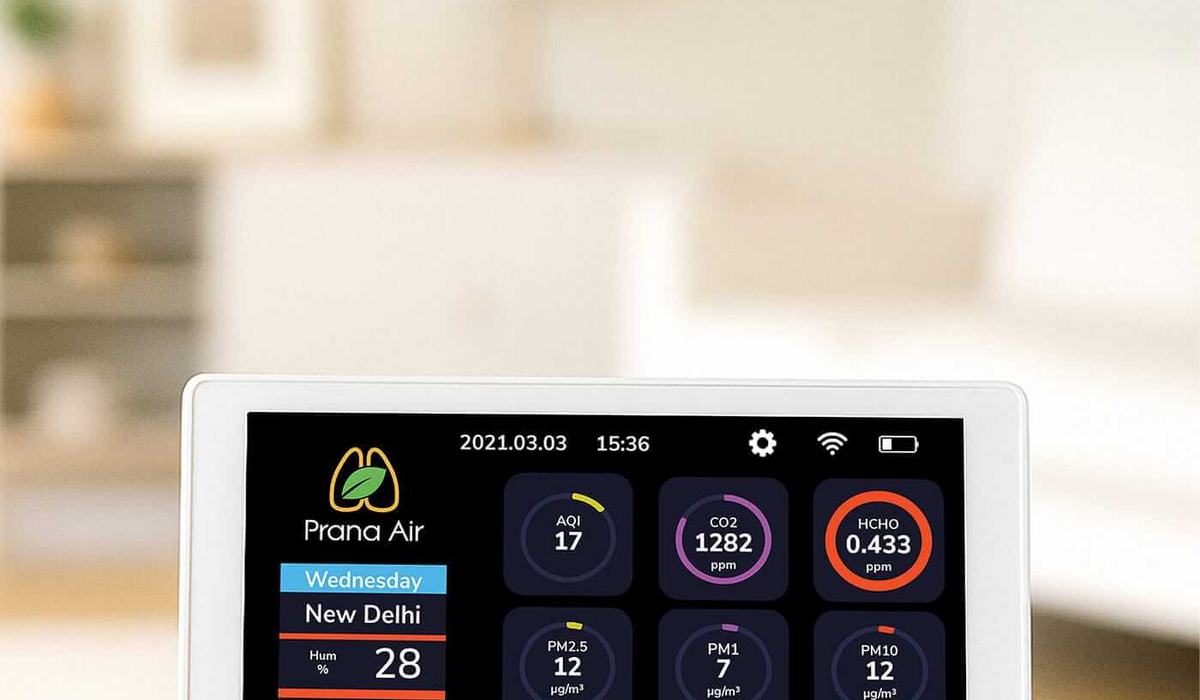
Air quality monitor — buy this before a purifier
Reads PM2.5, CO2, humidity and temperature. It tells you which problem you have, so you buy the right device once.
Check Price on Amazon →Buy a purifier if you have allergies, a pet, an open kitchen beside your bed, or smoke seasons. Skip it if your complaint is stuffiness or damp. And buy a cheap monitor first — it costs less than a filter set and it prevents the expensive mistake.
Frequently asked questions
Cheaper things to try first
| Change | Cost | Effect on indoor air |
|---|---|---|
| Ventilate twice daily | Free | Resets CO2 and clears VOCs |
| Shoes off at the door | Free | Cuts tracked-in particulate |
| Vacuum with a HEPA machine | Already owned | Removes settled dust |
| Cook with the extractor on | Free | Removes cooking PM2.5 at source |
| Hepa air purifier | $100–$250 | Continuous particle removal |
| Dehumidifier | $150–$250 | Addresses damp and mould |
In a small flat, source control beats filtration almost every time. A purifier removing particles that a running extractor fan would never have produced is an expensive way to solve a cooking problem. Work through the free measures first, measure the result, and buy filtration for whatever remains.
Run a particulate monitor in the room for a week with no purifier. If PM2.5 stays below about 12 µg/m³ and CO2 peaks under 1,000 ppm, ventilation is doing the job and a purifier is a comfort purchase rather than a necessity. If it regularly runs higher, filtration will earn its place.