Dust in an apartment comes from four sources, and only one of them is outside. You shed skin cells, fabric releases fibres, paper and cardboard break down, and outdoor particles blow in. In a small sealed flat with carpet, all four accumulate faster than you can clean.
The good news is that dust control is mostly mechanical, not chemical. Twelve changes below, ordered by impact per unit of effort.
- Vacuum weekly with a sealed HEPA vacuum — not a bagless unit that blows fines back out.
- Damp-dust, never dry-dust. A dry cloth moves dust into the air; a damp microfibre traps it.
- Wash bedding at 60°C fortnightly. The biggest single allergen measure and it costs nothing extra.
- Keep floors clear. Clutter is where dust hides and where a vacuum cannot reach.
- Change your AC or wall-unit filter monthly. A grey filter is a dust recirculator.
On this page
Why apartments are dustier than houses
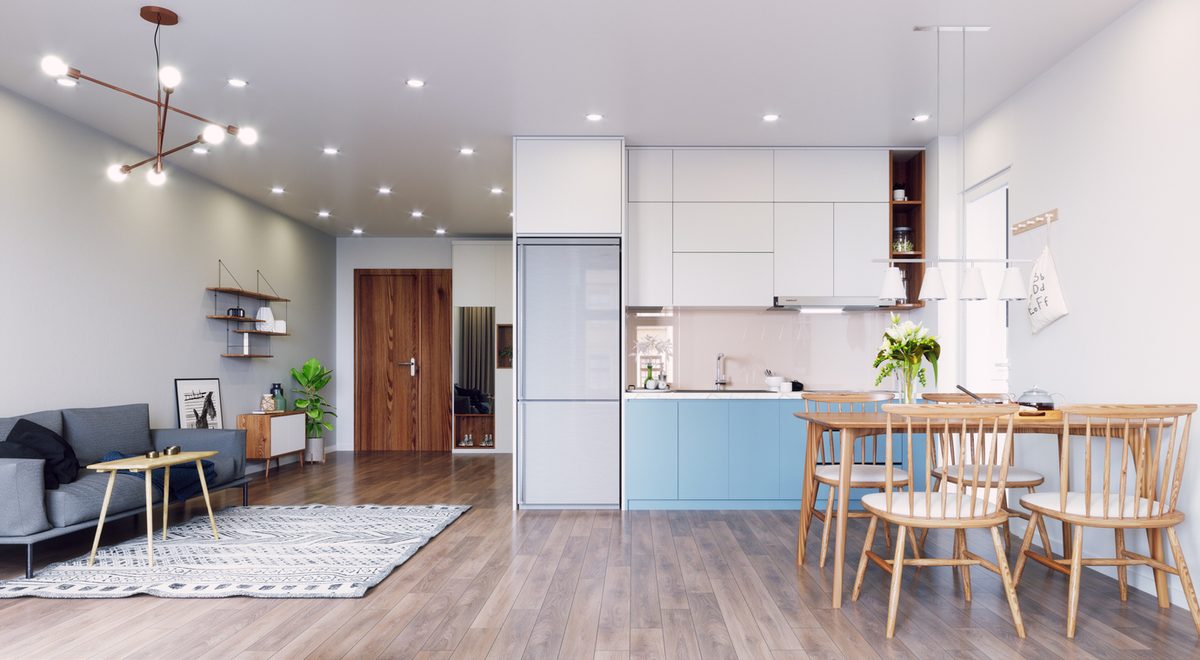
- Carpet everywhere. Rental apartments are often fully carpeted. Carpet is a reservoir that holds dust and releases it with every footstep.
- Recirculated air. A sealed flat with no cross-breeze keeps the same dust circulating rather than letting it settle and be removed.
- Small volume, high activity. The same amount of dust in a 500 sq ft flat is far more concentrated than in a 2,000 sq ft house.
- Shared corridors. Dust migrates under doors and through shared ventilation.
- Cheap HVAC filters. Through-wall AC units often have thin washable screens that capture almost nothing.
12 fixes ranked by impact
- Vacuum weekly with a sealed HEPA vacuum. The single biggest lever. A cheap bagless vacuum without a sealed system returns the finest, most irritating fraction to the air.
- Damp-dust surfaces before dry-dusting. Microfibre, slightly damp. Dry cloths and feather dusters are dust redistribution devices.
- Wash bedding at 60°C every two weeks. Dust mites live in bedding, not on shelves. This is the highest-yield allergen action available.
- Keep the floor clear of clutter. A clear floor can be vacuumed properly; a cluttered one cannot.
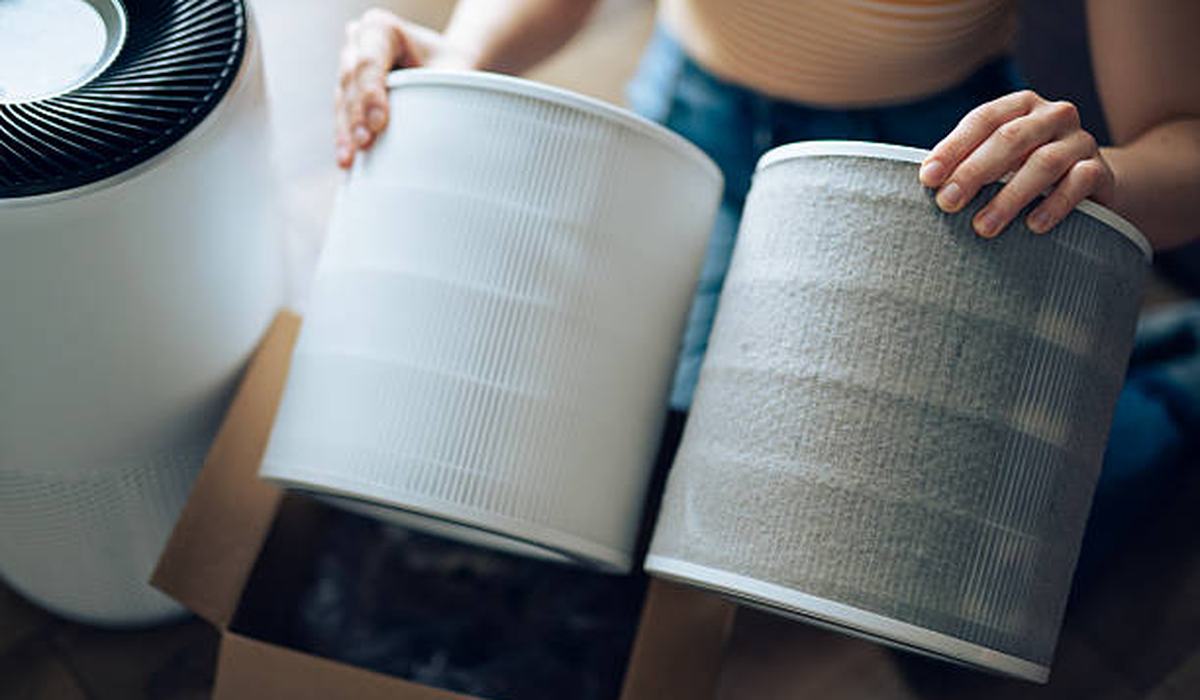
- Clean or replace the AC / wall-unit filter monthly in season. A grey filter is a machine for blowing dust around the room.
- Fit a draught seal to the front door. Around $12 and it stops corridor dust entering continuously.
- Use a doormat on both sides of the entrance. Most tracked-in dust arrives in the first two metres.
- Reduce soft furnishings. Fewer cushions, throws and paper piles means fewer surfaces releasing fibres. Choose washable covers.
- Store out-of-season clothes in sealed bags. Fabric in open wardrobes sheds lint constantly.
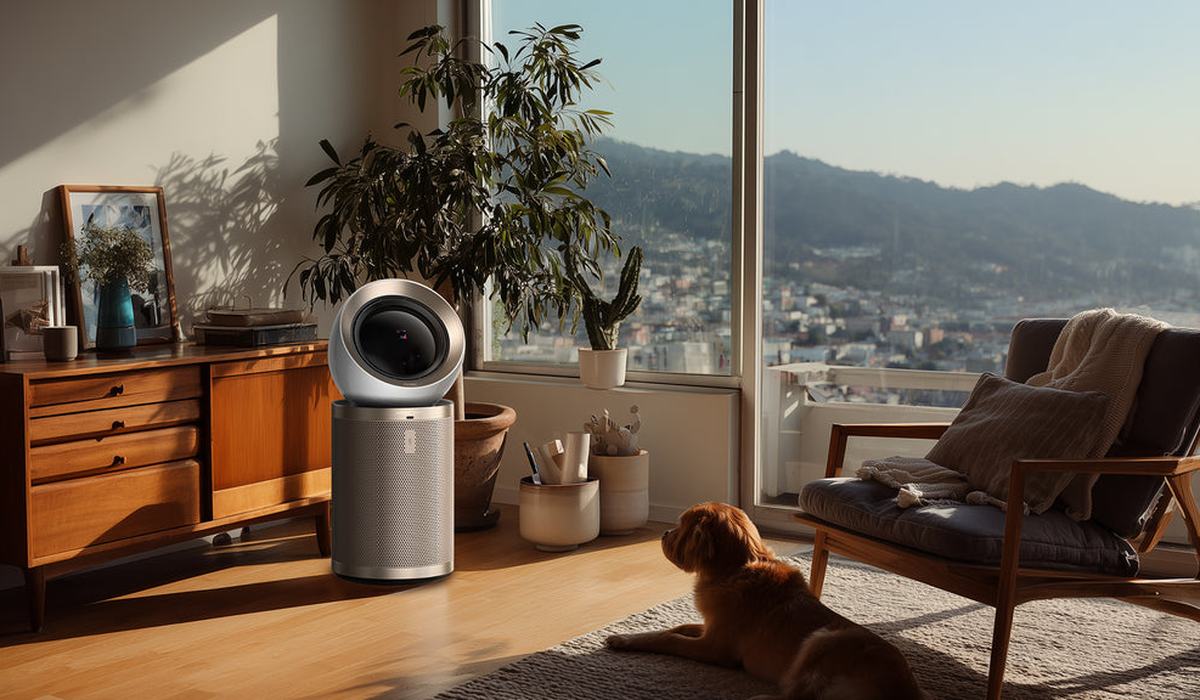
- Run a HEPA purifier in the bedroom overnight. It does not stop dust being created, but it removes airborne fines you would otherwise inhale.
- Wipe down blinds and venetian slats monthly. They are the highest-surface-area dust collector in most flats.
- Keep humidity at 40–50%. Dry air makes dust statically airborne; humid air lets it settle where you can remove it.
Vacuuming and damp-dusting remove dust already present. Filter changes and draught seals stop more arriving. If you only do the first two, you will be cleaning a reservoir that refills weekly. Do all four categories and settled dust typically drops noticeably within a month.
The vacuum decision that matters most
This is the one purchase decision that changes dust levels most, and it is the one people get wrong. The problem with many inexpensive bagless vacuums is not suction — it is what happens after the air leaves the cyclone.
| Vacuum type | Dust retention | Best for | Watch out for |
|---|---|---|---|
| Sealed HEPA canister | Excellent — HEPA H13 exhaust filter | Allergy households, mixed floors | Bags cost money but keep dust contained |
| Sealed HEPA upright | Very good | Carpeted apartments | Heavier to move around |
| Cordless stick + sealed filter | Good if the filter is HEPA | Quick daily passes | Small bins, needs frequent filter cleaning |
| Bagless without sealed exhaust | Poor — fines return to the air | Hard floors only | “HEPA filter” claims with no sealed system |
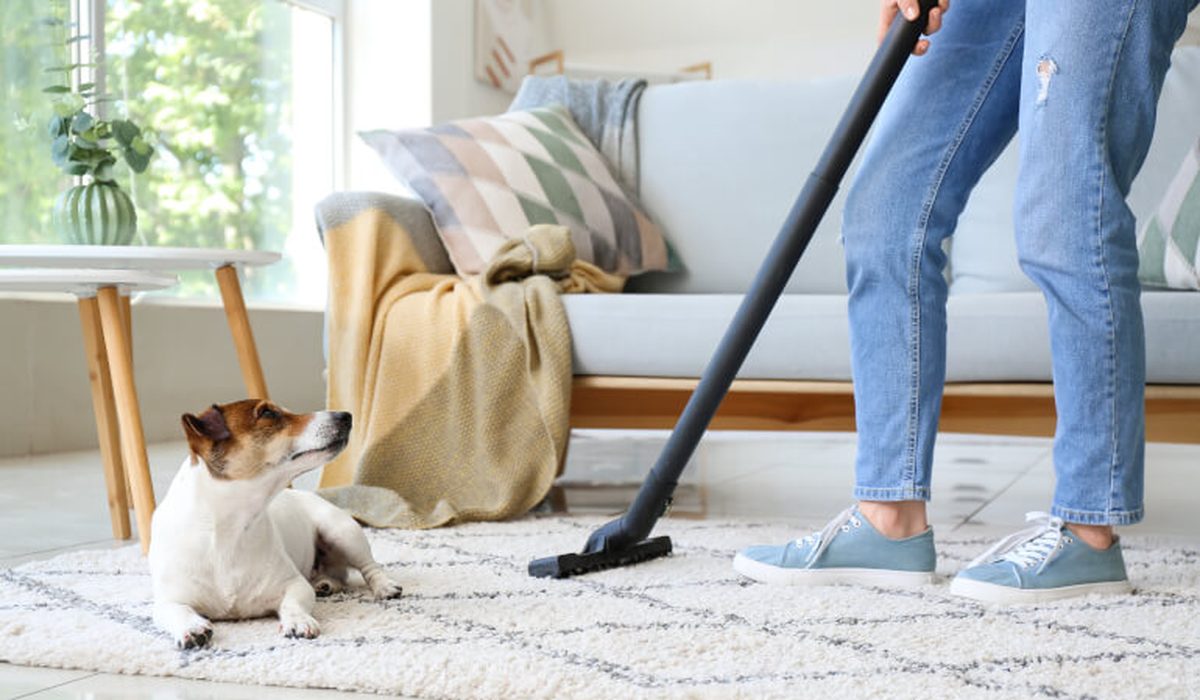
Sealed HEPA vacuum — the highest-impact dust purchase
If your vacuum makes you sneeze while you use it, the exhaust is not sealed. That is the single clearest sign you need a better one.
Check Price on Amazon →
HEPA purifier for the bedroom — the overnight support act
A purifier does not stop dust forming, but overnight it removes the airborne fines you would otherwise breathe for eight hours.
Check Price on Amazon →A 20-minute weekly routine
| Minutes | Task | Why it matters |
|---|---|---|
| 5 | Vacuum high-traffic floor and under the bed | Removes the reservoir before it is disturbed |
| 4 | Damp-dust shelves, sills, blinds | Traps dust instead of lifting it |
| 3 | Wipe the AC filter or check it | Prevents recirculation all week |
| 3 | Shake and air doormats outside | Stops tracked-in dust at the source |
| 3 | Change the bed linen | The allergen measure that matters most |
| 2 | Check the purifier pre-filter, vacuum if grey | Keeps filtration working |
Dust from high to low, and never dry-dust before vacuuming. Working top-down lets gravity help you, and vacuuming last removes what falls. A fortnightly 20-minute routine beats a three-hour deep clean every season.
Three things that do not work
- Air purifiers as a substitute for cleaning. A purifier removes airborne fines, not settled dust. If you never vacuum, the carpet reservoir keeps refilling the air.
- Dry dusting with a feather duster. It lifts dust into the air where it resettles within an hour — often on the same surfaces.
- Over-humidifying to “settle” dust. Pushing humidity above 55% trades a dust problem for a mould and dust-mite problem. Stay at 40–50%.
Vacuum weekly with a sealed HEPA vacuum, damp-dust, wash bedding fortnightly, keep floors clear, and change that AC filter monthly. That combination cuts settled dust visibly within a month and cuts allergen exposure more than any single gadget.
Frequently asked questions
A weekly dust routine that works
| Task | Frequency | Why it works |
|---|---|---|
| Vacuum with a HEPA machine | Weekly | Removes dust instead of moving it |
| Damp-wipe hard surfaces | Weekly | Captures dust rather than scattering |
| Wash bedding at 140°F | Fortnightly | Removes dust mites and skin cells |
| Change HVAC or purifier filters | Per schedule | Stops the system re-emitting dust |
| Clear under the bed | Monthly | A major dust reservoir |
| Keep the wardrobe closed | Always | Fabric sheds continuously |
Dust in an apartment is mostly a resuspension problem rather than an ingress problem. Sealed double glazing and shared corridors limit how much comes in from outside, so the bulk of what settles is shed skin, fabric fibres and paper. That means the fix is not sealing the flat better — it is removing what is already there, and capturing it rather than stirring it up.
A dry cloth on a shelf simply lifts dust into the air, where it settles again within an hour. A slightly damp microfibre cloth traps it. This single change typically halves how quickly surfaces look dusty again.