Hard water leaves white, chalky spots wherever water dries: taps, shower screens, tiles, the toilet bowl and the kettle. They are mineral deposits, mostly calcium carbonate, and they are alkaline — which means acid dissolves them.
The mistake most people make is scrubbing. The deposits are harder than the chrome or glass underneath, so an abrasive pad grinds them into the surface and leaves permanent scratches. The right approach is to dissolve them, not scrape them. This guide covers each surface.
On this page
The one principle
Hard water stains are alkaline mineral deposits. Acid dissolves them. Time does the work; scrubbing does the damage.
- Use acid: white vinegar, citric acid, or a commercial limescale remover.
- Give it time: ten minutes to a few hours, depending on how thick the deposit is.
- Never use abrasives: no scouring pads, no abrasive powders, no steel wool on chrome or glass.
- Rinse and dry: wipe the surface dry afterwards so new spots do not form.
Surface by surface
| Surface | Method | Time |
|---|---|---|
| Chrome taps | Vinegar-soaked cloth wrapped around | 30–60 min |
| Shower glass | Vinegar + dish soap spray, then squeegee | 10–20 min |
| Tiles & grout | Citric acid solution + soft brush | 10 min |
| Stainless steel | Vinegar, wipe with the grain | 5–10 min |
| Natural stone | Avoid acid — use a pH-neutral cleaner | — |
For taps, soak a cloth in vinegar and wrap it around the base, then cover with cling film so it does not dry out. For shower glass, spray a mix of equal parts vinegar and water with a drop of dish soap, leave it, then squeegee off. For tiles, a citric acid solution and a soft brush lifts the film without scratching.
Toilet and kettle
Toilet bowl
For a ring of hard water stain in the bowl, pour in a cup of white vinegar or a citric acid solution, leave it overnight, then brush and flush. For stubborn rings, use a pumice stone designed for toilets — it is softer than the porcelain and will not scratch it.
Kettle and coffee machine
Fill the kettle with equal parts water and vinegar, boil it, and leave it to stand for an hour. Rinse and boil fresh water twice before using it again. For a coffee machine, run the same solution through the cycle, then run plain water through twice.
Prevention
- Squeegee the shower after every use. Removing the water before it dries stops the spots forming.
- Wipe taps dry with a microfibre cloth. It takes ten seconds and saves hours of descaling.
- Descale regularly — every two to three months in a hard-water area, before deposits build up.
- Consider a filter if your water is very hard. A shower filter or a jug filter reduces the mineral load.
Hard water and your appliances
Hard water does not just leave marks on taps. It quietly damages the appliances in your apartment, and the damage is cumulative.
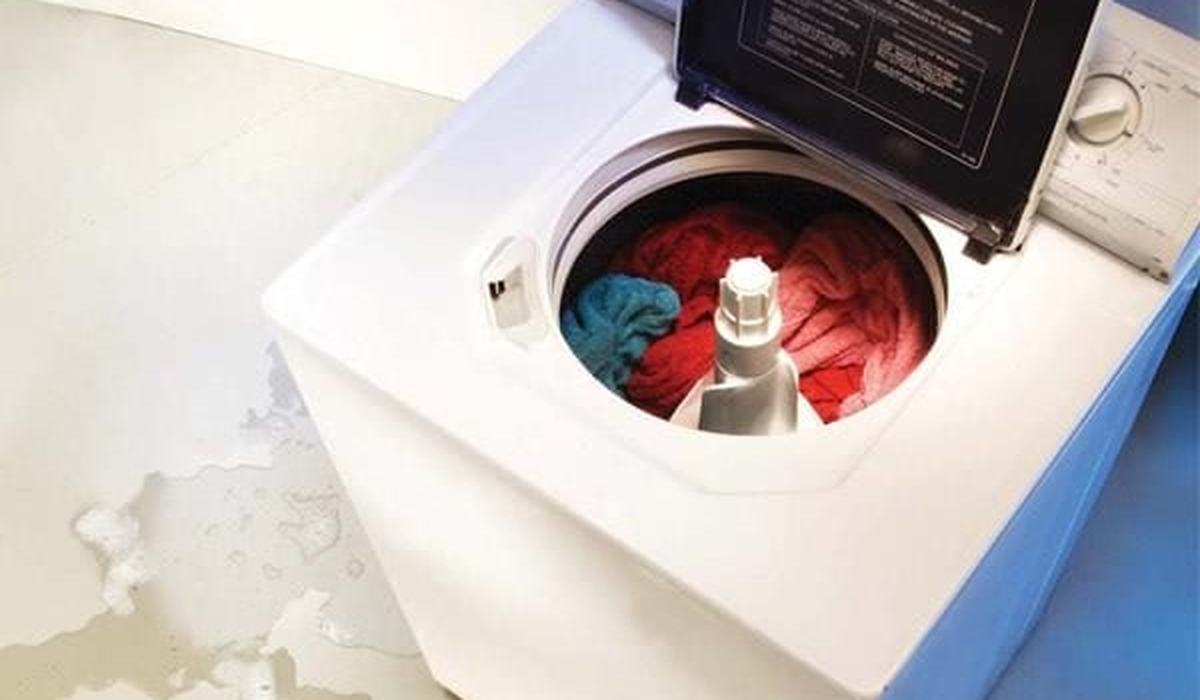
- Washing machine. Scale builds on the heating element, making it work harder and eventually fail. Run a descaling cycle every few months.
- Dishwasher. Scale clogs the spray arms and coats the heating element. Use a dishwasher descaler and keep the salt topped up if your model has a softener.
- Kettle. Scale on the element slows boiling and wastes electricity. Descale monthly in a hard-water area.
- Coffee machine. Scale blocks the thermoblock and changes the taste. Descale on the manufacturer’s schedule.
- Shower and taps. Scale narrows the flow and dulls the finish. Descale every two to three months.
If your water is very hard, a whole-flat filter is not usually an option in a rental, but a jug filter for drinking water and regular descaling of appliances will cover most of the damage.
What to use, and what not to
The market is full of “limescale removers”. Most are acid, which is exactly what you need — but some are abrasive, which is exactly what you do not.
| Product | Use it for | Avoid on |
|---|---|---|
| White vinegar | Taps, glass, tiles, kettles | Natural stone, some plated finishes |
| Citric acid | Heavy scale, kettles, coffee machines | Natural stone |
| Commercial descaler | Shower heads, washing machines | Check the label for stone |
| Baking soda paste | Gentle cleaning, not scale | — |
| Abrasive cream cleaner | Nothing here | Everything — it scratches |
| Steel wool | Nothing here | Everything — it scratches |
The rule is simple: if it is a cream or a powder you scrub with, it is the wrong product for hard water. You want a liquid acid that dissolves the deposit while you wait.
A five-minute weekly routine
Hard water stains are far easier to prevent than to remove. Five minutes a week keeps them from ever building up.
- Squeegee the shower after every use — ten seconds, and it stops the glass spotting.
- Wipe the taps dry with a microfibre cloth while you are in the bathroom.
- Spray the shower glass with a vinegar-and-water mix once a week and leave it to work while you clean the rest of the room.
- Wipe the sink and tap after washing up, so water does not sit and dry.
- Descale the kettle once a month in a hard-water area.
None of this takes long, and it means you never have to spend an afternoon scrubbing a thick deposit off a shower screen. Prevention is genuinely easier than removal.
Gear that helps
A dedicated limescale remover and a squeegee make short work of hard water stains and stop them coming back.
Frequently asked questions
What removes hard water stains?
Does vinegar remove hard water stains?
How do I remove hard water stains from glass without scratching?
Can I use vinegar on marble or natural stone?
How do I stop hard water stains coming back?
Related guides