On this page
The filter-cost math that changes everything
A $70 purifier with a $60 annual filter costs $250 over three years. A $100 purifier with a $25 annual filter costs $175. The cheaper unit is the more expensive one.
Before you buy any budget purifier, add three years of filters to the purchase price. That number — not the sticker price — is what you are actually paying.
| Model | Price | Filter/yr | 3-yr total |
|---|---|---|---|
| Levoit Core 300-P | ~$100 | ~$25 | ~$175 |
| Winix A231 | ~$90 | ~$30 | ~$180 |
| SwitchBot Air Purifier | ~$90 | ~$30 | ~$180 |
| Generic no-name unit | ~$60 | ~$50 | ~$210 |
Our picks under $100
Best overall: Levoit Core 300-P
The Core 300-P is the benchmark budget purifier. It has a genuine HEPA filter, a smoke CADR around 140, and filters that cost about $25 a year. For a bedroom or a small living room, it is the best value in the category.
Levoit Core 300-P
A true HEPA purifier with a ~140 CADR and cheap filters. The best CADR per dollar under $100.
Check Price on Amazon →Best for a bedroom: Winix A231
The A231 is small, quiet, and has a washable pre-filter that extends the life of the HEPA filter. It is a good fit for a bedroom where noise matters more than raw CADR.
Winix A231
Compact and quiet, with a washable pre-filter. A good bedroom unit for a small apartment.
Check Price on Amazon →Quietest option: SwitchBot Air Purifier
The SwitchBot is one of the quietest units in this price range, and it has app control. It is a good choice for a studio where the purifier has to run overnight in the same room you sleep in.
SwitchBot Air Purifier
Very quiet for the price, with app control and a compact footprint. Good for a studio or small bedroom.
Check Price on Amazon →Comparison table
| Model | Smoke CADR | Max room | Noise (low) | Filter/yr | Best for |
|---|---|---|---|---|---|
| Levoit Core 300-P | ~140 | ~220 sq ft | 24 dB | ~$25 | Best overall |
| Winix A231 | ~120 | ~180 sq ft | ~24 dB | ~$30 | Bedrooms |
| SwitchBot Air Purifier | ~120 | ~180 sq ft | ~22 dB | ~$30 | Quiet studios |
| Levoit Core 200S | ~110 | ~160 sq ft | ~24 dB | ~$25 | Smallest rooms |
Sizing a cheap unit
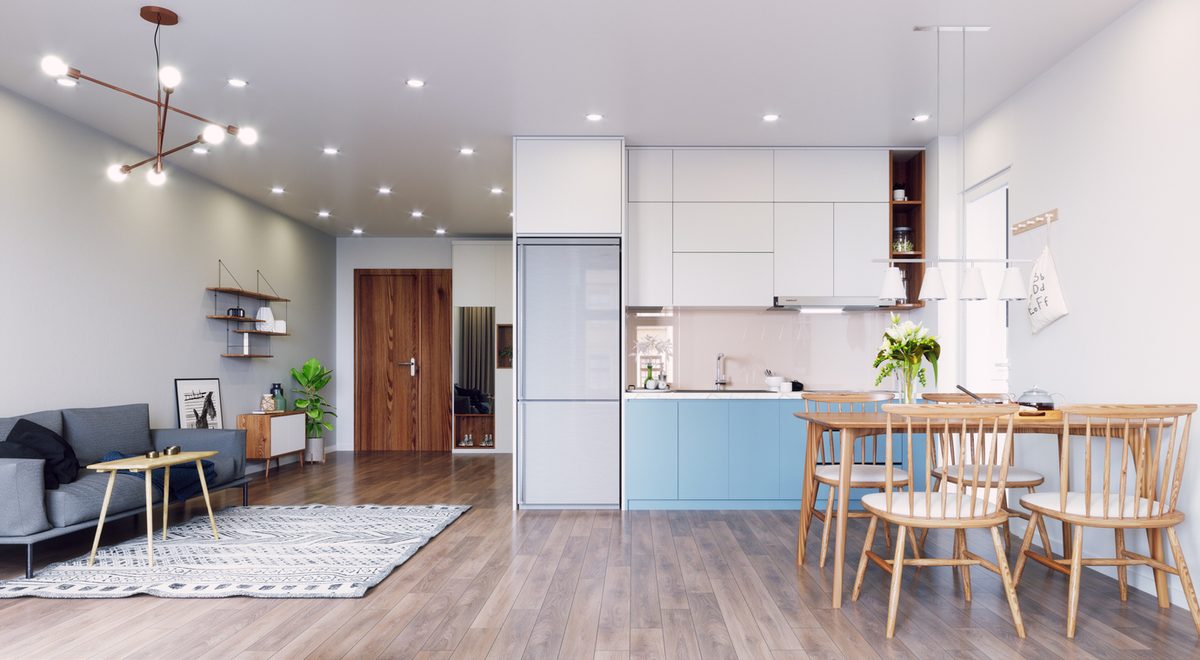
A sub-$100 purifier is a small-room device. Do not expect it to clean an open-plan apartment — that is a job for a large-room unit.
| Room size | Is a sub-$100 unit enough? |
|---|---|
| Up to 200 sq ft | Yes — ideal |
| 200–300 sq ft | Yes, but run it on high |
| 300–500 sq ft | No — buy a large-room unit |
| 500+ sq ft | No — one large unit, not two small ones |
Four budget-purifier mistakes
- Ignoring filter cost. A $70 purifier with a $60 annual filter costs more over three years than a $100 unit with a $25 filter. Add three years of filters before you compare.
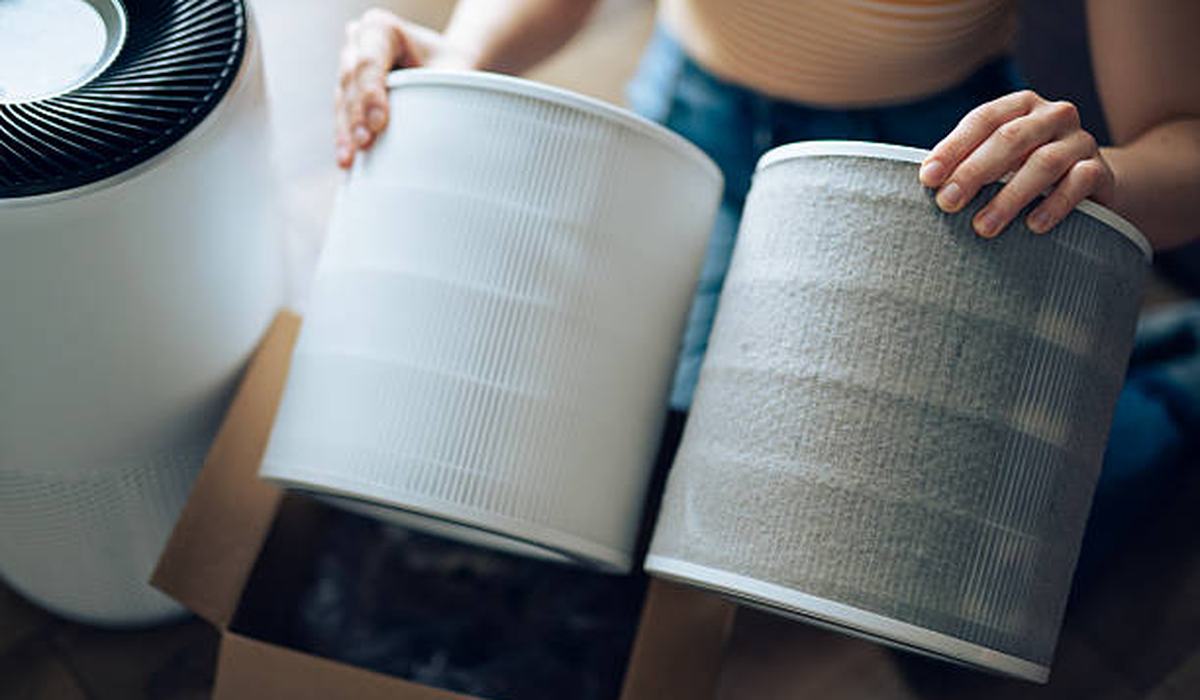
- Buying a unit with no CADR. If the manufacturer does not publish a CADR, the filter is probably not genuine HEPA. Skip it.
- Expecting it to clean a large room. A sub-$100 unit is a small-room device. In a large room it runs at full speed and still cannot keep up.
- Buying two cheap units instead of one good one. Two $90 purifiers cost $180 and move less air than one $180 large-room unit, with twice the noise and two sets of filters.
How to check a budget purifier is real
The budget end of the market has a lot of units that look like purifiers but do not filter. Check these four things before you buy:
| Check | What to look for |
|---|---|
| Published CADR | A number in CFM — if there is none, walk away |
| True HEPA | Rated H13 or HEPA, not “HEPA-type” or “HEPA-like” |
| Filter availability | Replacement filters in stock and reasonably priced |
| Noise spec | A dB figure for the low setting |
“HEPA-type” and “HEPA-like” are marketing terms with no standard. A genuine HEPA filter is rated H13 or higher and captures 99.97% of particles at 0.3 microns. If the listing does not say H13 or HEPA, assume it is not.
What to look for under $100
The sub-$100 market is crowded with units that look like purifiers but do not filter. These are the four things that separate a real one from a fake.
| Feature | Real purifier | Fake purifier |
|---|---|---|
| CADR | Published in CFM | Not published |
| Filter | True HEPA H13 | “HEPA-type” |
| Replacement filters | In stock, reasonable | Unavailable or expensive |
| Noise spec | dB figure given | No figure |
“HEPA-type” and “HEPA-like” are marketing terms with no standard behind them. A genuine HEPA filter is rated H13 or higher and captures 99.97% of particles at 0.3 microns. If the listing does not say H13 or HEPA, assume it is not.
The three-year cost
The purchase price is not the cost. Add three years of filters before you compare two units.
| Unit price | Filter price | Filters per year | 3-year total |
|---|---|---|---|
| $70 | $60 | 2 | $430 |
| $100 | $25 | 2 | $250 |
| $90 | $30 | 1 | $180 |
| $80 | $40 | 2 | $320 |
A $70 purifier with a $60 filter costs more over three years than a $100 unit with a $25 filter. This is the single most common mistake in the budget segment, and it is invisible at the point of sale.
What a budget purifier cannot do
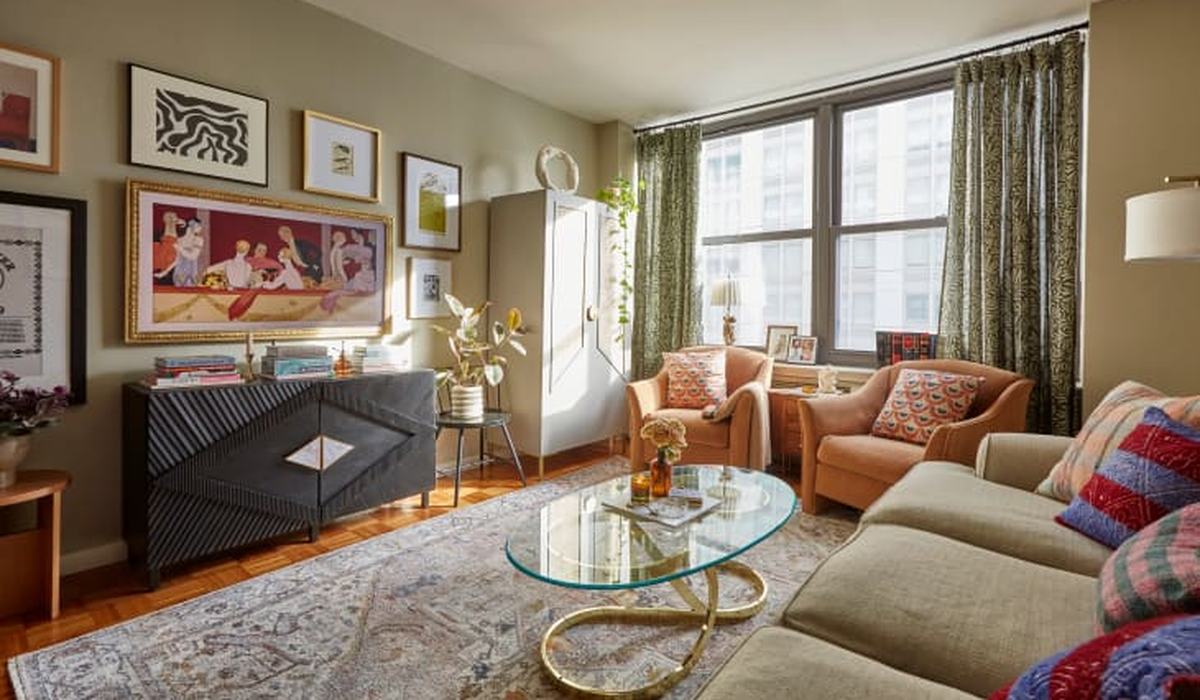
A sub-$100 purifier is a small-room device. It will keep a bedroom or a home office clean, and it will help in a living room. It will not clean a large open-plan apartment, and it will not remove CO2 or a serious VOC problem. Buy it for the room you sleep in, and size up if you need more.
What the best budget units share
The good sub-$100 purifiers have four things in common, and they are the four things to check.
- A published smoke CADR of at least 100 CFM.
- A true HEPA H13 filter, not “HEPA-type”.
- Replacement filters in stock at a reasonable price.
- A low setting under 35 dB for overnight use.
A unit that meets all four is a genuine purifier that will keep a bedroom clean. A unit that misses any of them is either not filtering, or it will cost you more in filters than it saved on the purchase.
Getting the most from a budget unit
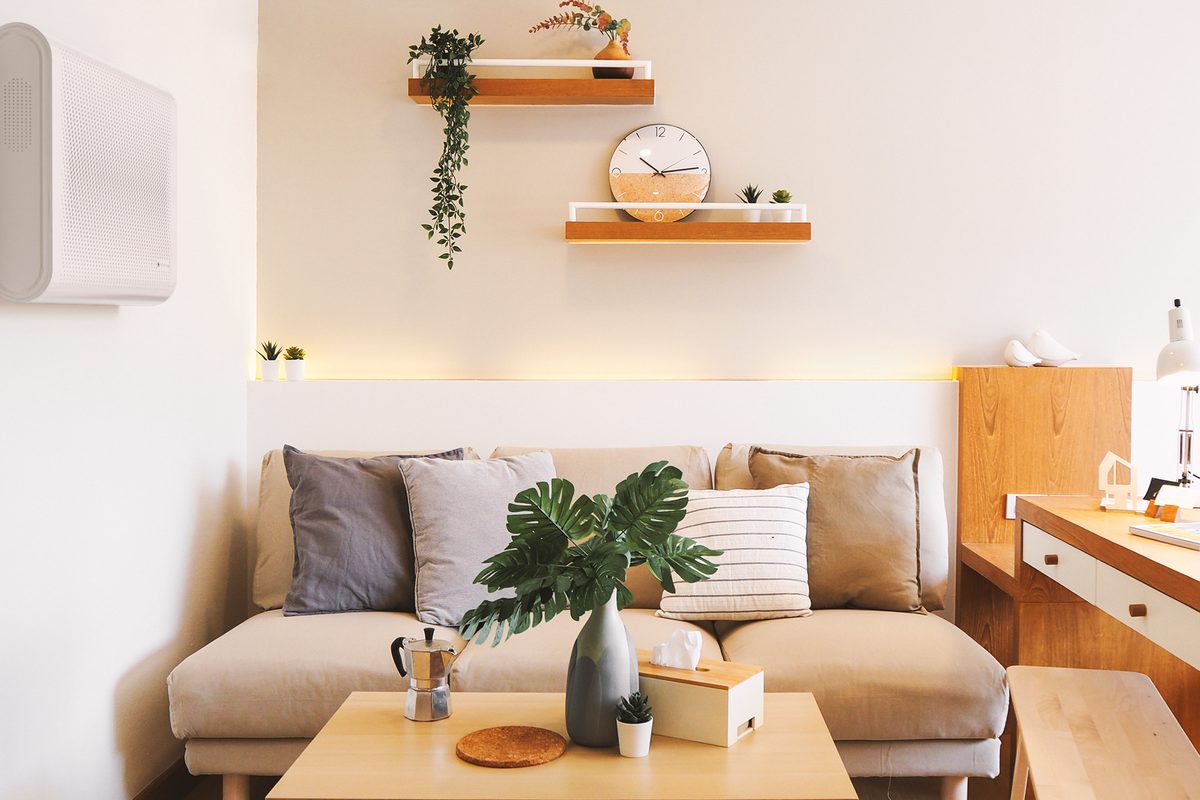
Place it where you sleep, run it on low overnight and higher when the room is empty, and vacuum the pre-filter monthly. A budget purifier used well beats an expensive one used badly. And remember its limit: it is a small-room device, so do not expect it to clean an open-plan apartment.
Frequently asked questions
What is the best air purifier under $100?
Are cheap air purifiers worth it?
How much do air purifier filters cost per year?
Do cheap air purifiers really work?
How big a room can a $100 air purifier clean?
Related guides