Walk into a hardware store and you will find 200-piece tool kits that look like a bargain. Most of those pieces are duplicates and sizes you will never use on an appliance. What you actually need is a focused set of about a dozen tools that covers the fasteners and diagnostics in a fridge, washer, dryer or dishwasher.
This guide lists the exact tools, explains what each one is for, and recommends three kits that get you there.
- Core kit: nut drivers (1/4–3/8 in), a 1/4 in socket set, Phillips and flat drivers, pliers, a putty knife.
- Diagnostics: a multimeter with continuity and capacitance.
- Safety: a non-contact voltage tester.
- Extras that earn their place: a magnetic parts tray and a headlamp.
- Skip: 200-piece kits full of hex keys and duplicate sockets.
The exact tool list
| Tool | Size/type | Used for |
|---|---|---|
| Nut drivers | 1/4, 5/16, 3/8 in | Most appliance screws are hex-head |
| Socket set | 1/4 in drive, 5–13 mm | Bolts on motors and brackets |
| Phillips drivers | #1, #2 | Panel and cover screws |
| Flat drivers | Small and medium | Prying clips, terminals |
| Needle-nose pliers | — | Hose clamps, small parts |
| Adjustable wrench | 8 in | Water lines, gas fittings |
| Putty knife | 1.5 in | Prying panels without damage |
| Multimeter | Auto-ranging | Voltage, continuity, capacitance |
| Non-contact tester | — | Checking for live wires |
| Magnetic tray | — | Holding screws |
| Headlamp | — | Dark appliance bays |
| Zip ties + tape | — | Securing wires and hoses |
What each tool is for
Appliance manufacturers use hex-head screws almost everywhere, which is why nut drivers matter more than a big screwdriver set. A 1/4-inch nut driver alone will open most refrigerator and washer panels. The socket set handles the bolts that hold motors and brackets.
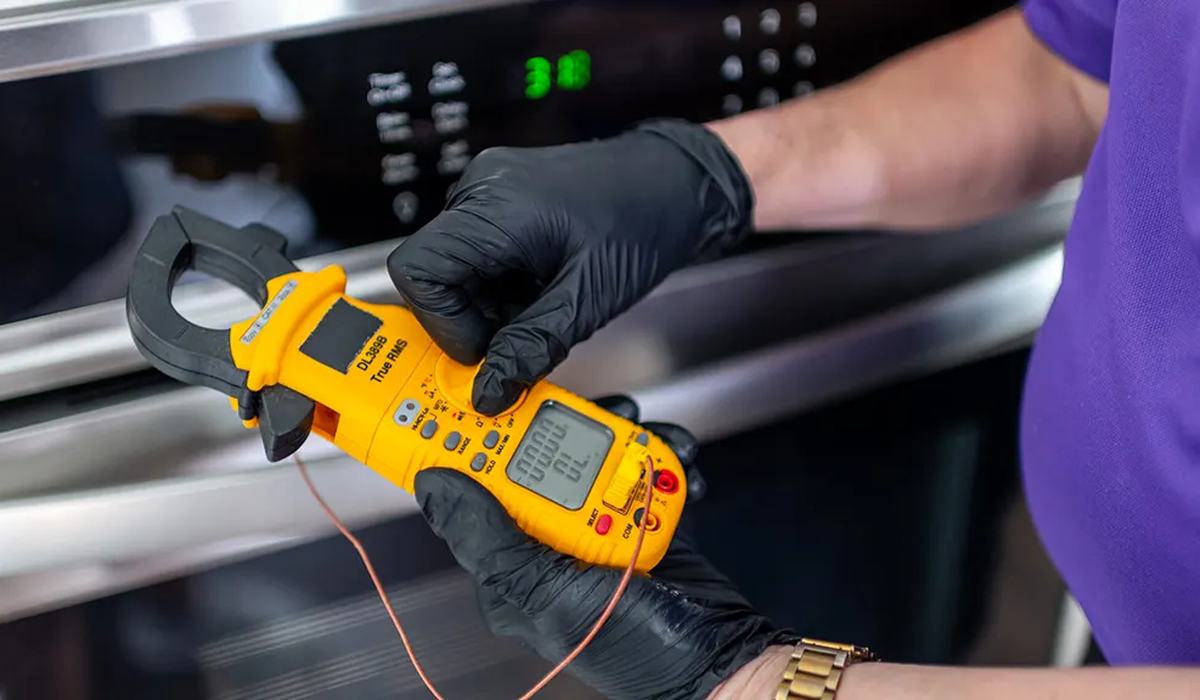
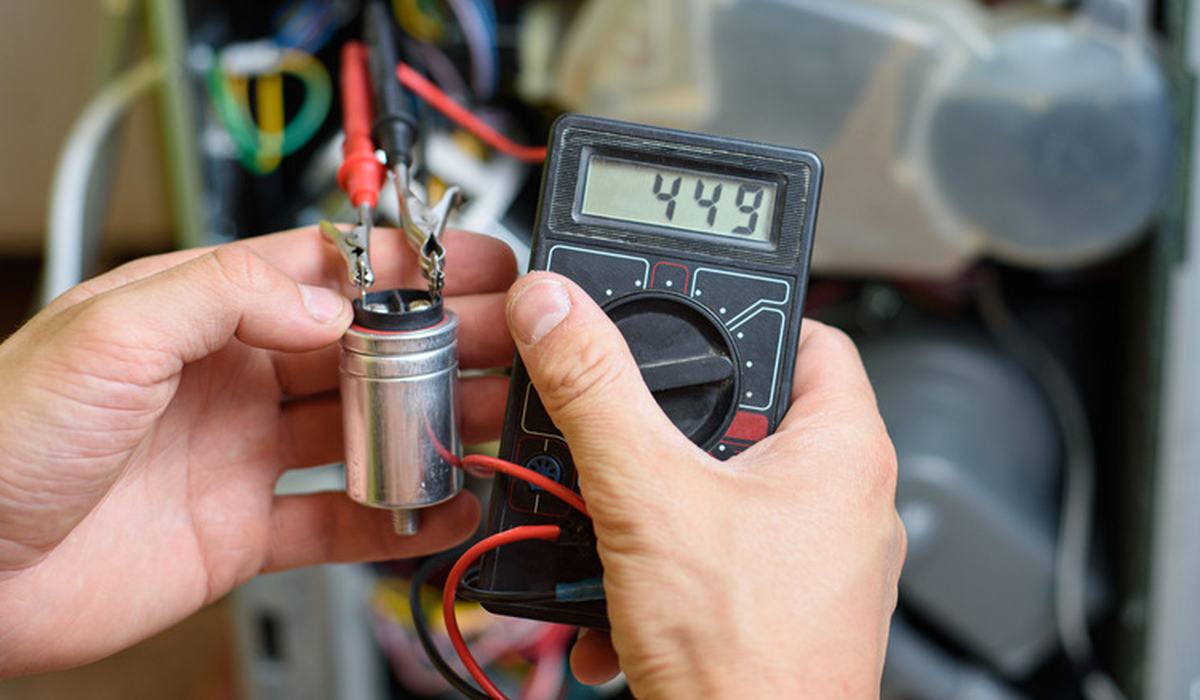
The multimeter is the only diagnostic tool you need. Continuity finds blown fuses and broken wires; voltage confirms power is reaching a board; capacitance tests the start capacitors that fail so often on compressors and motors.
Prying a plastic panel with a screwdriver cracks it. A thin putty knife spreads the force and pops clips without damage. It costs a few dollars and prevents a repair that turns into a replacement.
Three kits that work
| Kit | Pieces | Best for | Approx price |
|---|---|---|---|
| Klein Tools 27-piece | 27 | Best overall | ~$60 |
| DEWALT 34-piece | 34 | Best value | ~$40 |
| TEKTON 45-piece | 45 | Best for sockets | ~$70 |
Klein Tools 27-piece — best overall
The right pieces and none of the filler: nut drivers in the sizes appliances use, a 1/4-inch socket set, and quality drivers. This is what a technician carries.
Check Price on Amazon →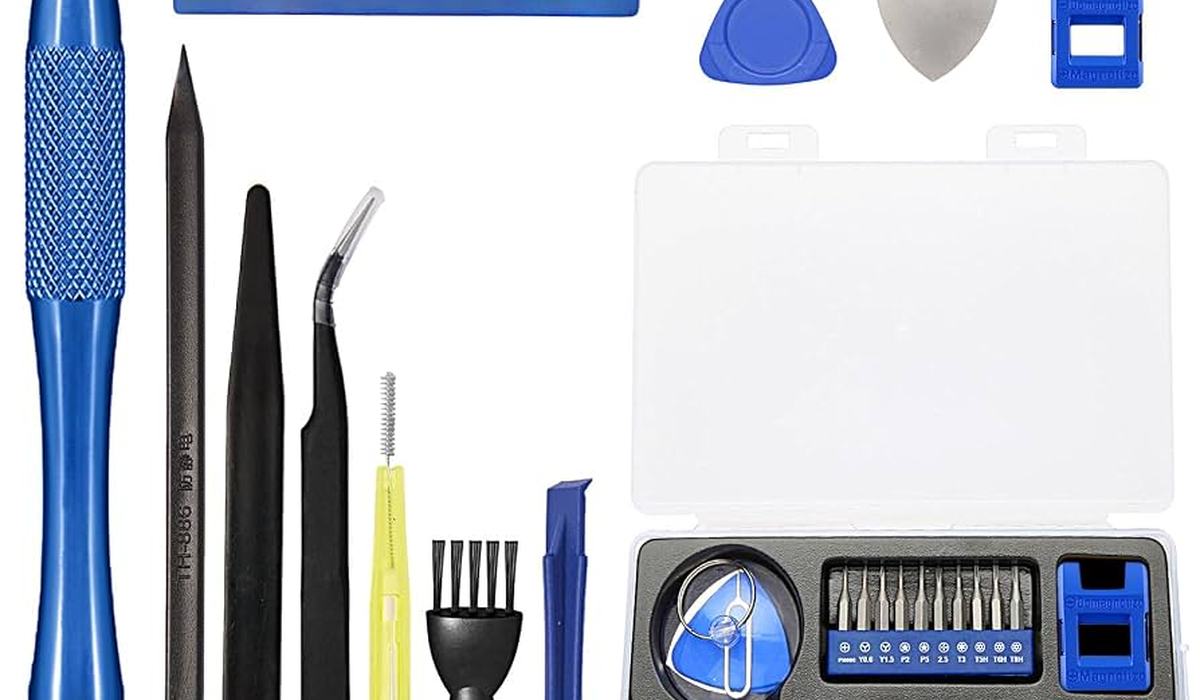
DEWALT 34-piece — best value
A well-priced set with the essentials in a hard case. Add a multimeter and you have a complete appliance repair kit for under $80.
Check Price on Amazon →TEKTON 45-piece — best for sockets
If you work on motors and brackets, the wider socket range is worth it. Good steel and a lifetime warranty.
Check Price on Amazon →Safety essentials
- Unplug before you open anything. A fridge or washer holds no charge once unplugged, but a dryer or oven may.
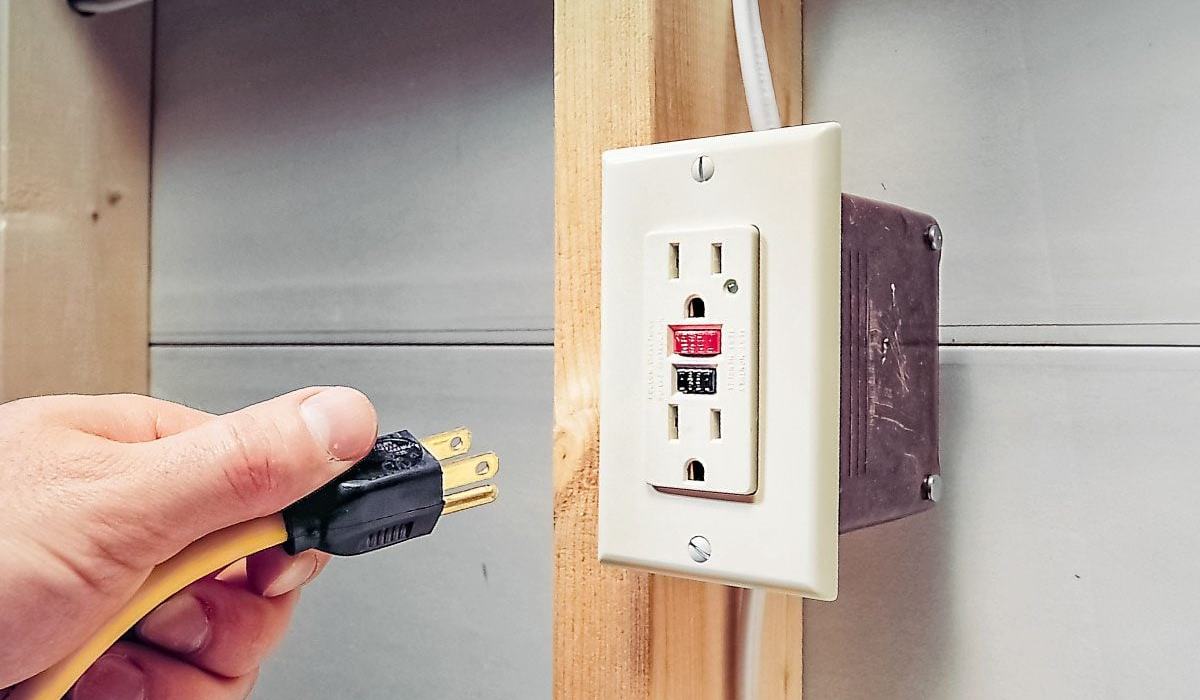
- Use a non-contact voltage tester to confirm power is off before touching wires.
- Discharge capacitors before working near them — they hold a charge after power is cut.
- Wear safety glasses when prying panels or working under a fridge.
- Keep a fire extinguisher nearby if you work on gas appliances.
- Photograph as you disassemble so you can reassemble correctly.
You need about a dozen tools: nut drivers, a 1/4-inch socket set, Phillips and flat drivers, pliers, a putty knife, a multimeter and a voltage tester. A $40–$70 kit plus a meter covers 90 percent of appliance repairs.