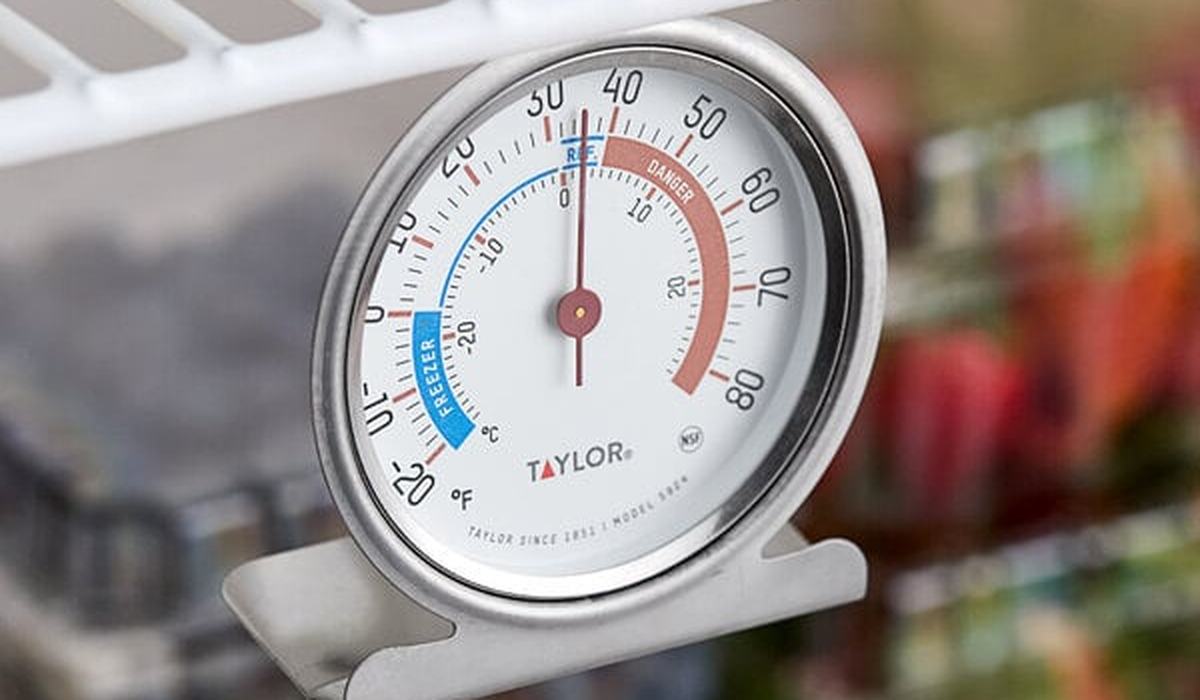
A mini fridge is often the first appliance a renter buys, and the one most often bought wrong. The mistake is almost always the same: choosing a thermoelectric unit because it is cheap and quiet, then discovering it only cools to about 40 degrees below room temperature — which on a hot day is not cold enough to keep food safe.
This guide explains the compressor-versus-thermoelectric split, the size and noise specs that matter in an apartment, and five fridges that are actually worth buying.
- Buy a compressor fridge. It is the only type that reliably holds 34–40°F regardless of room temperature.
- Best overall: a 3.1–4.5 cu ft compressor fridge with a separate freezer compartment.
- Best for a desk or bedroom: a quiet 1.6–2.0 cu ft unit under 40 dB.
- Skip thermoelectric unless you only need to keep drinks cool, not food safe.
- Check the running cost: a compressor mini fridge uses about 250–350 kWh per year.
On this page
Compressor vs thermoelectric
There are two ways to cool a mini fridge, and the difference is not cosmetic.
| Compressor | Thermoelectric (Peltier) | |
|---|---|---|
| How it works | Refrigerant cycle, like a full-size fridge | Peltier plate moves heat electrically |
| Temperature | 34–40°F regardless of room temp | ~40°F below room temp |
| Food safe in summer? | Yes | Often no |
| Noise | Audible compressor cycling | Silent (fan only) |
| Power use | 250–350 kWh/year | Higher per degree of cooling |
| Lifespan | 10+ years | 3–5 years |
| Price | $150–$400 | $60–$150 |
The rule is simple: if you are storing food, buy a compressor fridge. Thermoelectric units are fine for drinks, skincare or a hotel-room setup, but they cannot guarantee a safe temperature when the room is warm, which is exactly when you need refrigeration most.
A thermoelectric fridge rated '40 degrees below ambient' in a 75°F room holds about 35°F — fine. The same fridge in an 85°F apartment holds 45°F, which is in the food-safety danger zone. Compressor fridges do not have this problem.
Sizing for an apartment
| Capacity | Best for | Typical footprint |
|---|---|---|
| 1.6–2.0 cu ft | Drinks, snacks, a desk or bedroom | Small, fits under a desk |
| 2.5–3.2 cu ft | One person's weekly food | Fits under a counter |
| 4.0–4.5 cu ft | Two people, or a studio kitchen | Needs its own corner |
| 6.0+ cu ft | A small family | Full-size footprint |
For a single renter, 3.1 cubic feet is the sweet spot: enough for a week of groceries, small enough to fit under a counter or in a closet. If you cook regularly, go to 4.5 cubic feet. If you only need cold drinks and leftovers, 1.6 to 2.0 is plenty.
The 5 best picks
| Model | Capacity | Type | Noise | Approx price |
|---|---|---|---|---|
| Frigidaire EFR376 | 3.2 cu ft | Compressor | ~38 dB | ~$230 |
| Midea WHS-65LB | 1.6 cu ft | Compressor | ~42 dB | ~$130 |
| Danby DAR044A6MDB | 4.4 cu ft | Compressor | ~40 dB | ~$300 |
| hOmeLabs 3.2 | 3.2 cu ft | Compressor | ~39 dB | ~$250 |
| Cooluli Infinity | 1.8 cu ft | Thermoelectric | Silent | ~$120 |
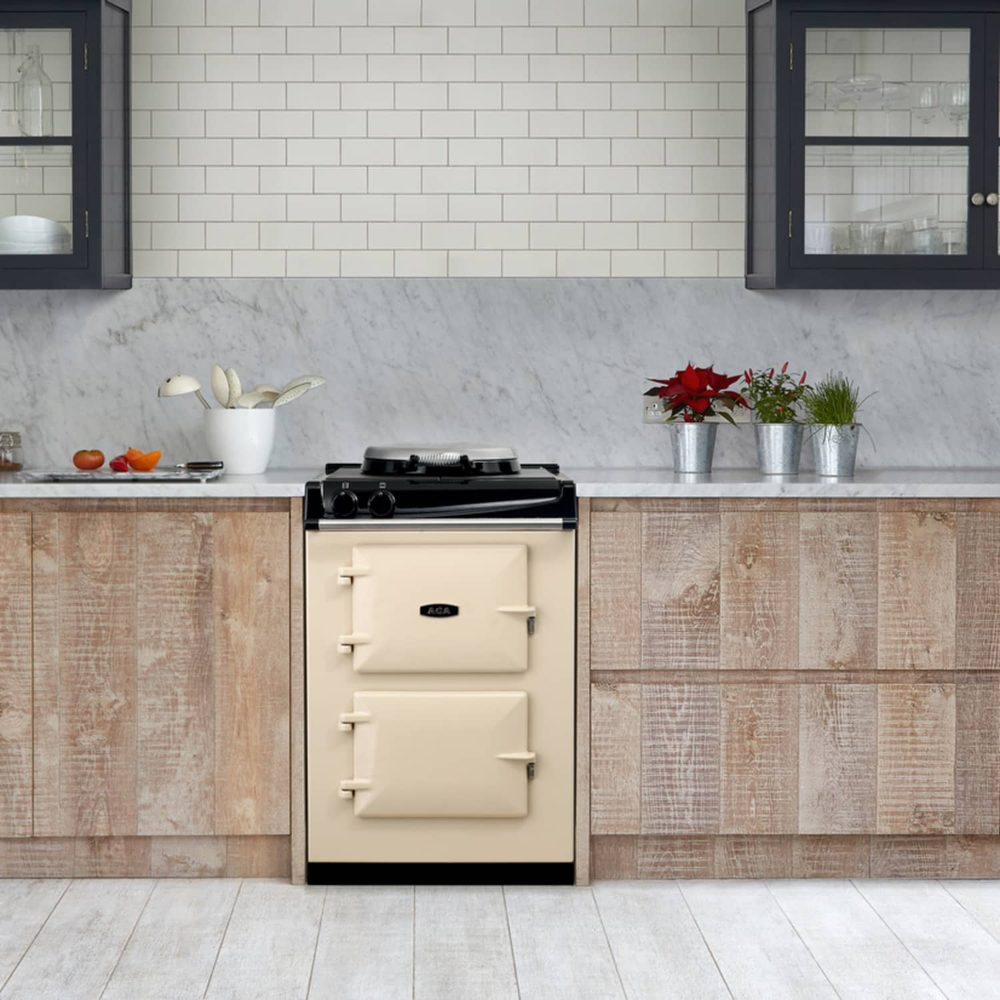
Frigidaire EFR376 — best overall mini fridge
A genuine compressor fridge with a small freezer compartment, a reversible door and a footprint that fits under a counter. The default pick for a one-person apartment.
Check Price on Amazon →
Midea WHS-65LB — best small pick
Small enough for a desk or a bedroom corner, and a real compressor so it holds temperature. The right choice when space is the constraint.
Check Price on Amazon →Danby DAR044A6MDB — best for two people
At 4.4 cubic feet this is the largest unit that still counts as compact. Enough for two people's groceries, with a proper freezer section.
Check Price on Amazon →Noise and placement
A compressor fridge cycles on and off, and each cycle makes a low hum. In a studio apartment where the fridge is in the same room you sleep, that matters. Look for a unit rated under 40 dB, and place it on a level surface — an unlevel fridge vibrates and hums louder.
- Level it. Use the adjustable feet so all four corners sit flat. A wobbling fridge is a noisy fridge.
- Leave clearance. Two inches behind and on the sides for the condenser to shed heat.
- Do not put it in a closet. A mini fridge needs airflow or it works harder and runs hotter.
- Keep it off carpet if possible. Carpet blocks the bottom vents on some models.
- Let it settle after moving. If you tip it, wait 24 hours before plugging in so the compressor oil settles.
Buy a compressor mini fridge, not a thermoelectric one, if you are storing food. For one person, 3.1 to 3.2 cubic feet is the sweet spot. Level it, give it clearance, and it will run quietly for a decade.