Food safety depends on temperature, and most people never check theirs. A fridge set a few degrees too warm grows bacteria faster; a few degrees too cold freezes your lettuce and milk. The correct setting is not a guess — it is a number you can verify.
This guide gives the target temperatures, how to check them accurately, and how to fix a fridge that drifts.
- Fridge: 37°F (3°C) — safe range 35–38°F.
- Freezer: 0°F (−18°C) — safe range 0 to 5°F.
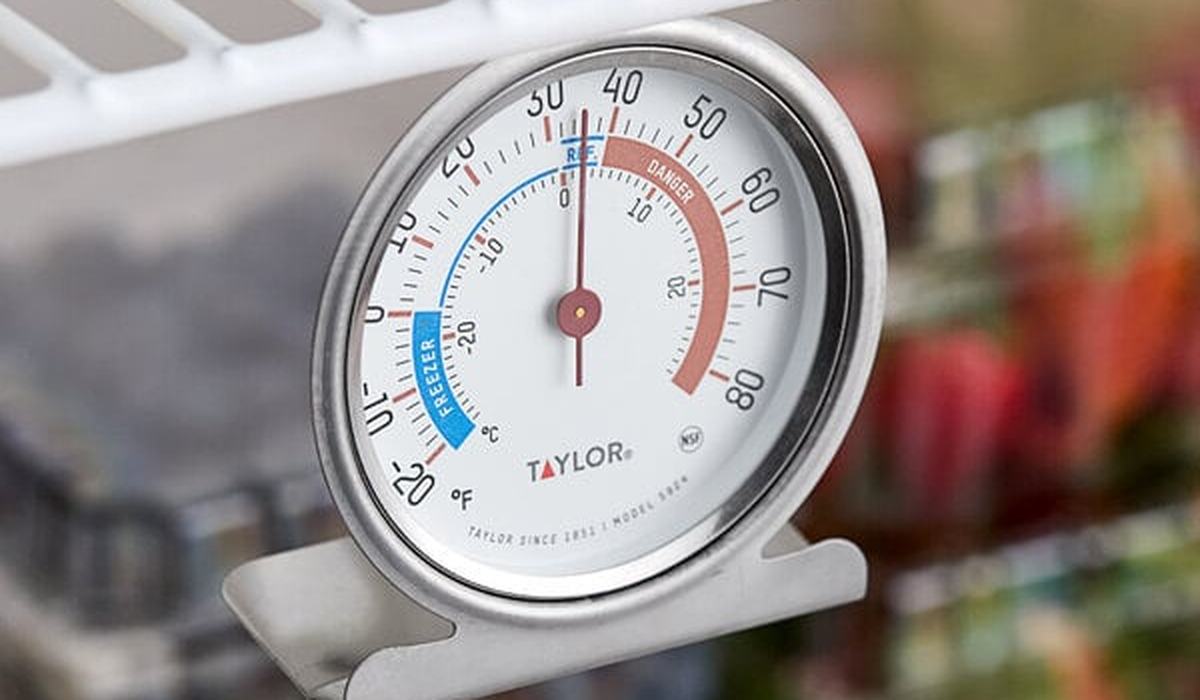
- Check with a thermometer, not the dial — dials are approximate.
- Measure in the middle of the fridge, not against the wall.
- Wait 24 hours after any change before re-checking.
On this page
The target temperatures
| Compartment | Target | Safe range | Danger zone |
|---|---|---|---|
| Fridge | 37°F | 35–38°F | Above 40°F |
| Freezer | 0°F | 0–5°F | Above 10°F |
| Crisper drawer | 34–38°F | 32–40°F | Below 32°F (freezes) |
| Door shelves | 38–42°F | — | Warmest spot |
The danger zone for food safety is between 40°F and 140°F, where bacteria multiply fastest. Keeping the fridge at 37°F gives you a safety margin below that. The freezer at 0°F keeps food safe indefinitely.
Never store milk or raw meat in the door shelves. The door is the warmest part of the fridge because it is furthest from the cold air. Keep dairy and meat on the middle shelves, and put condiments in the door.
How to check accurately
- Put a thermometer in a glass of water in the middle of the fridge.
- Leave it 24 hours so it reaches the true temperature.
- Read it without opening the door more than necessary.
- Check the freezer with a separate thermometer between frozen items.
- Repeat monthly — a fridge can drift as it ages.
- Note the reading so you can spot a trend.
Adjusting the dial
Most fridges use a dial numbered 1 to 5 or 1 to 9, where higher is colder. The dial is not a temperature — it is a relative setting. If your fridge reads 40°F, turn the dial one step colder and wait 24 hours before checking again.
| Reading | Action | Wait |
|---|---|---|
| Above 40°F | Turn one step colder | 24 hours |
| 35–38°F | Correct — leave it | — |
| Below 35°F | Turn one step warmer | 24 hours |
| Food freezing | Turn warmer, check airflow | 24 hours |
When it will not hold
If the fridge will not hold temperature no matter how you set the dial, the cause is usually one of a few common faults. Work through them in order.
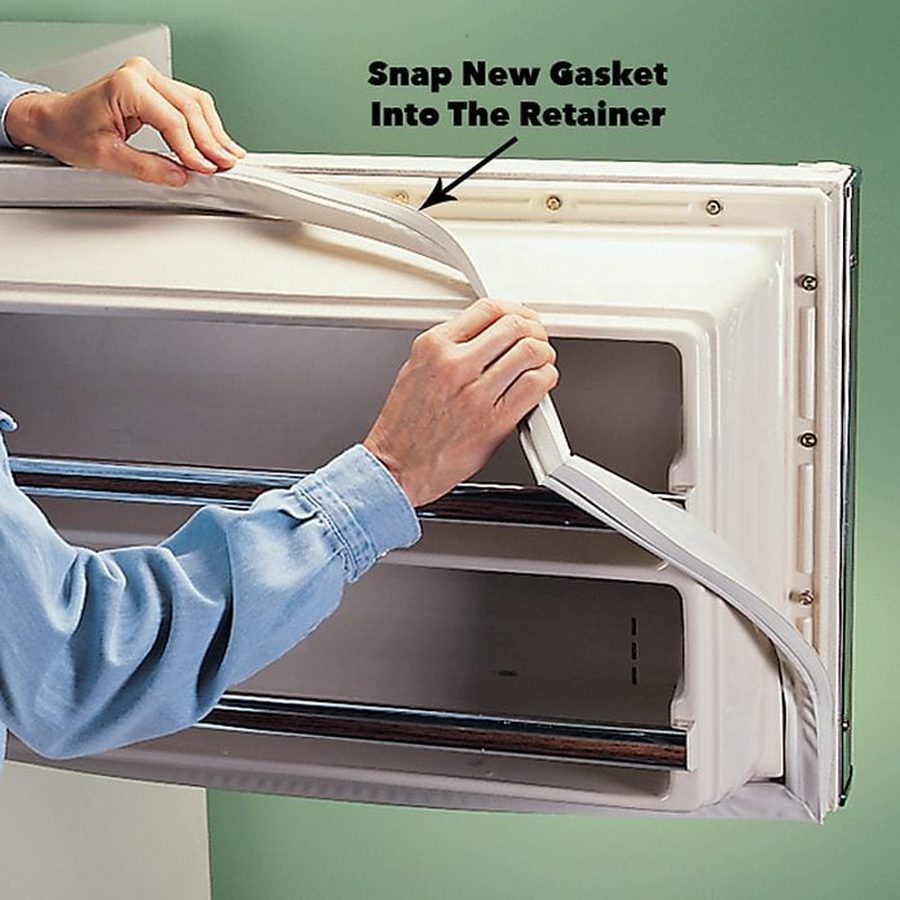
- Door gasket — a worn seal lets cold air escape. Test with a dollar bill.
- Condenser coils — dusty coils make the compressor work harder. Clean them.
- Air vents — blocked vents stop cold air circulating. Clear them.
- Overloading — a packed fridge blocks airflow. Leave space.
- Thermistor — a failed sensor misreads the temperature. Test it.
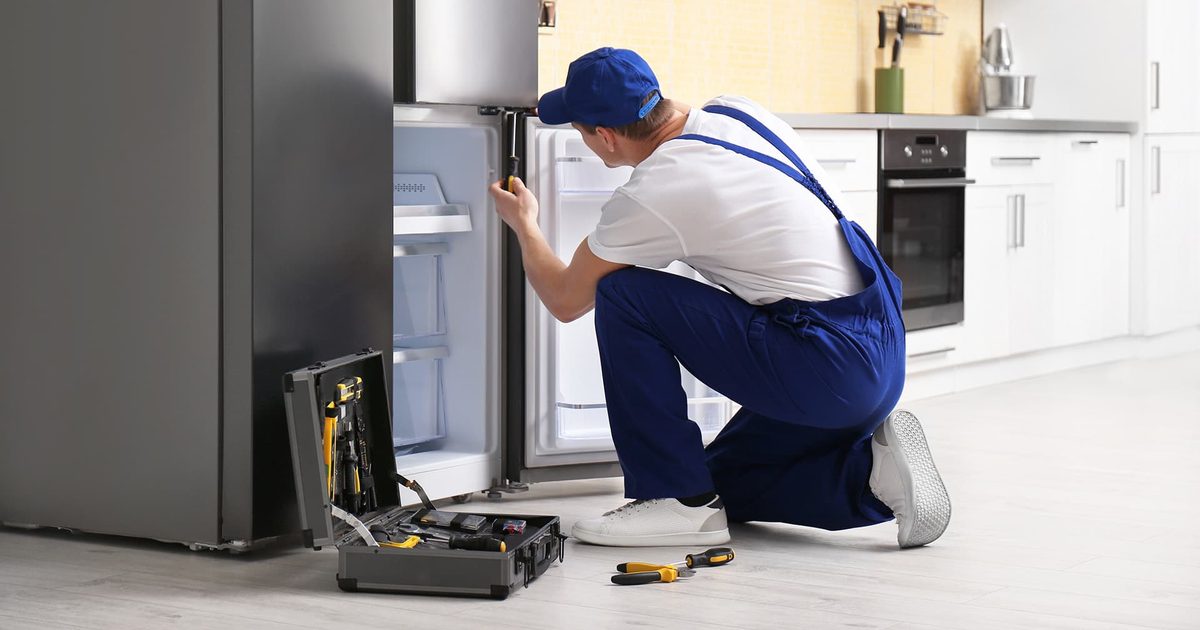
- Compressor — if it runs constantly and stays warm, call a technician.
Set your fridge to 37 degrees Fahrenheit and your freezer to 0. Check with a thermometer in a glass of water, not the dial, and wait 24 hours after any change. If it will not hold temperature, check the gasket, coils and vents first.
Frequently asked questions
Thermometers
A fridge thermometer is the only way to check the real temperature.