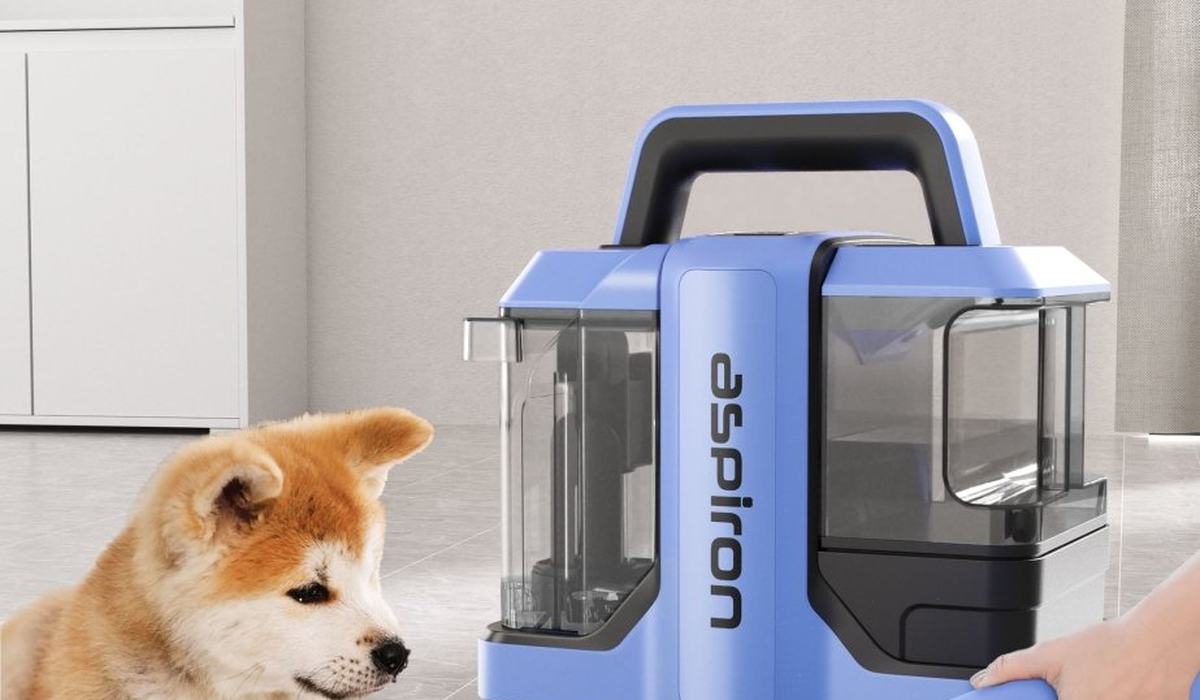
In a house, a robot vacuum is a convenience. In an apartment, it is close to transformative, because your floors are the only floors. There is no upstairs, no garage, no basement — one machine covering 500–700 sq ft is covering your entire home.
But apartment layouts are hostile to robot vacuums in specific ways: more furniture per square metre, more chair legs and stools, less clearance under items, and nowhere to dock it that is not in the way. Those constraints change which model is right far more than brand loyalty does.
- Best overall: a mid-range unit with LiDAR navigation and a self-empty dock if budget allows.
- Best for pet hair: a model with a rubber dual-roller brush — hair does not wrap the rollers.
- Best for tight apartments: a low-profile unit under 8 cm tall so it goes under the sofa and bed.
- Best cheap option: a gyroscope-navigating unit under $200; you trade mapping quality, not suction.
On this page
Why apartment robots have different jobs
- Furniture density. A 500 sq ft flat can have as many chair legs as a 2,000 sq ft house. Navigation quality matters more than raw suction.
- Clearance. Under-bed and under-sofa clearance decides whether you ever clean those zones. A tall unit simply cannot.
- No storage. The dock occupies floor space permanently. That is a real constraint in a studio.
- Floor transitions. Apartments have thresholds, rug edges and bathroom lips. Climbing ability matters.
- Noise in shared buildings. Thin floors and neighbours below mean you want scheduling and a quiet mode, not raw power.
The five specs that actually matter in a small flat
| Spec | Why it matters in an apartment | Target |
|---|---|---|
| Height | Under-sofa and under-bed cleaning | Under 8.5 cm (3.3 in) |
| Navigation | Chair-leg and clutter handling | LiDAR or vSLAM, not random bounce |
| Brush type | Pet hair wrapping | Rubber dual roller, not bristle |
| Dock | Storage space and emptying frequency | Self-empty dock if you have floor space |
| Threshold climb | Bathroom and rug edges | 2 cm (0.8 in) minimum |
Pa suction numbers are measured in ways that are not comparable between brands, and above about 2,500 Pa the difference is invisible on apartment hard floors. Navigation and brush design change your experience far more than another 1,000 Pa.
The 5 best picks for an apartment
| Model | Best for | Height | Navigation | Price | Verdict |
|---|---|---|---|---|---|
| Roborock Q5 Pro | Best overall value | 9.6 cm | LiDAR | ~$280 | Our pick |
| Roborock Q Revo | Best all-round with self-empty | 9.6 cm | LiDAR + mop | ~$600 | Best if budget allows |
| iRobot Roomba j7 | Best obstacle avoidance | 9.3 cm | Camera + vSLAM | ~$500 | Best for cluttered flats |
| Eufy 11S Max | Best budget | 7.2 cm | Random bounce | ~$160 | Cheapest useful |
| Shark Matrix | Best mid-range self-empty | 8.9 cm | LiDAR | ~$400 | Best mid-budget |
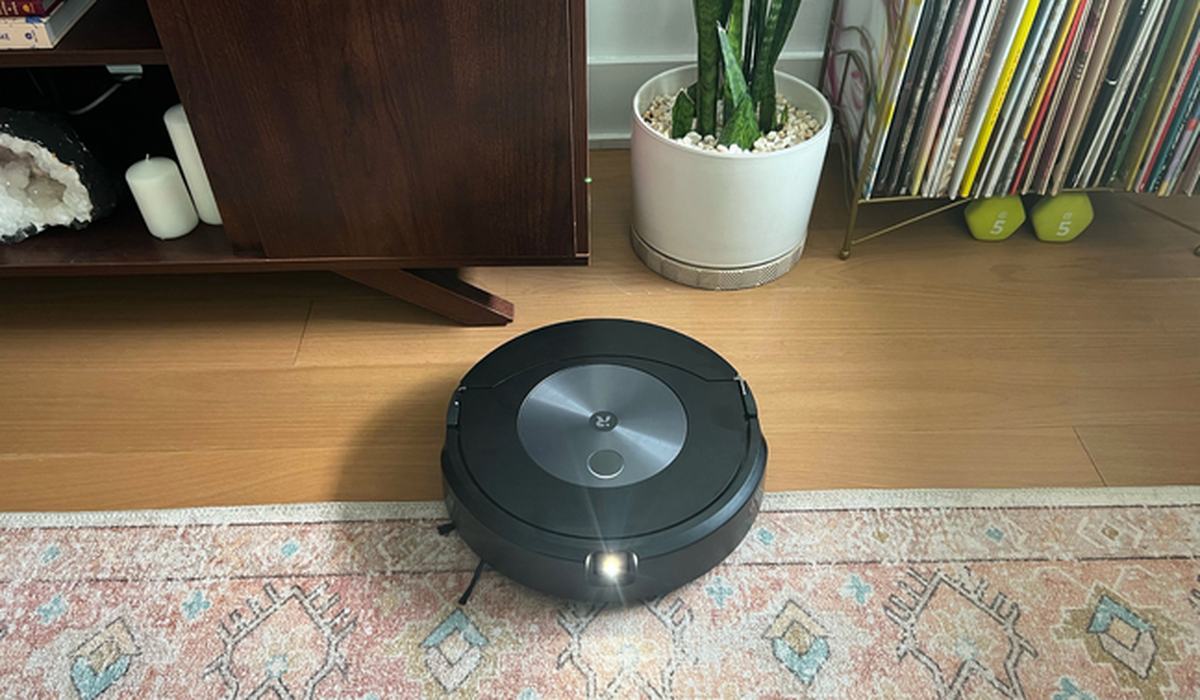
Roborock Q5 Pro — best overall for apartments
LiDAR mapping is what makes a robot usable in a cluttered flat — it maps room by room instead of bouncing randomly. Strong suction, reliable app, and no self-empty dock to find floor space for.
Check Price on Amazon →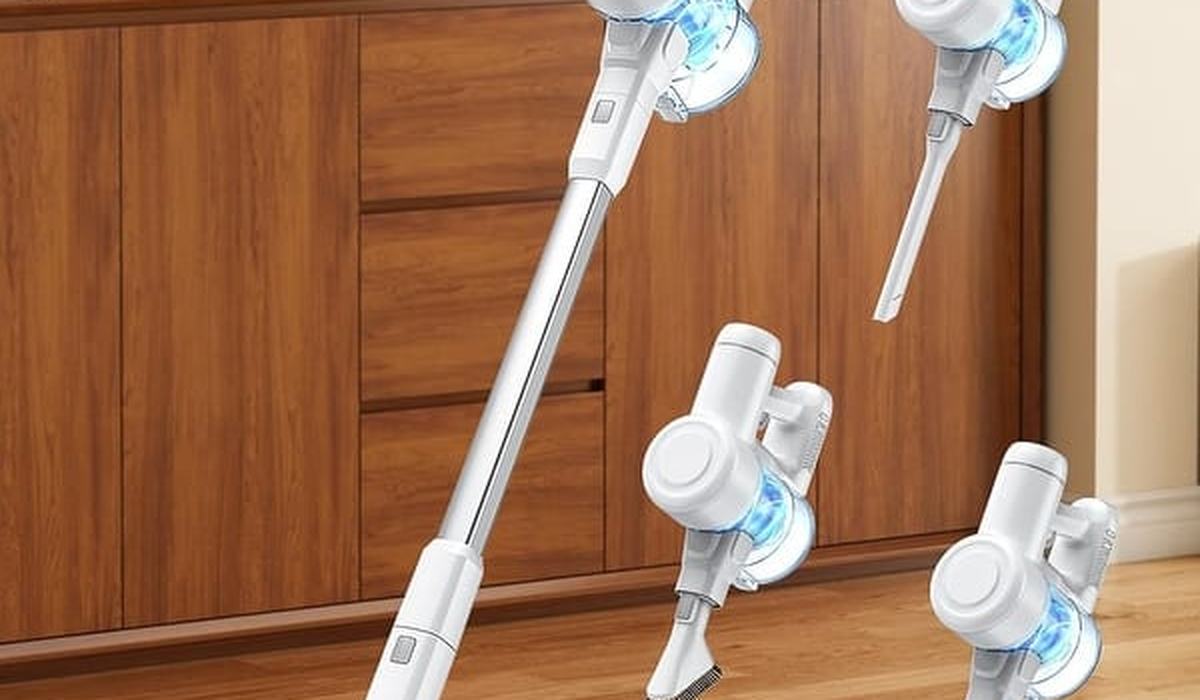
Rubber dual-roller models — the pet-hair essential
Bristle brushes wrap hair within days and need cutting off. Rubber rollers pass hair straight into the bin. If you have a shedding pet, this is the spec that matters most.
Check Price on Amazon →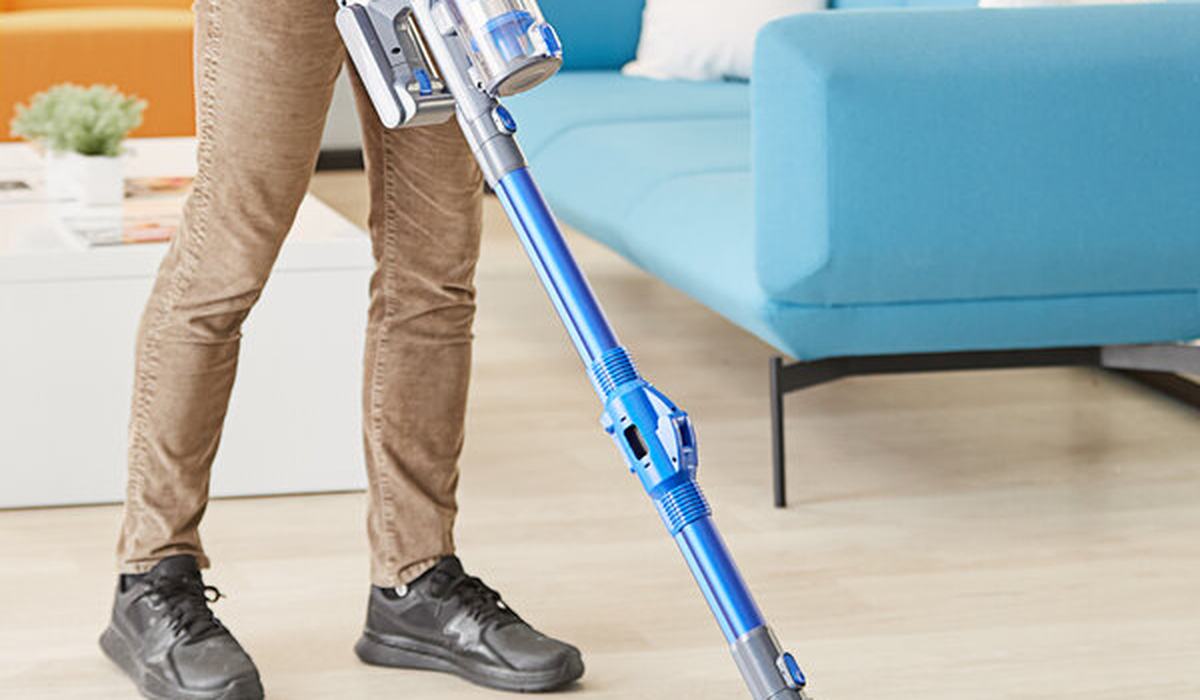
A cordless stick vacuum — the robot's partner
A robot does floors. It does not do the sofa, the skirting edges or a quick spill. Most apartment households end up with a robot plus a light stick vacuum.
Check Price on Amazon →Where to put the dock in a small apartment
This is the decision people underestimate. A robot vacuum needs a dock with clear space in front of it, and in a small flat that space is usually where the shoes go.
- Against a wall, not in a corner where it will struggle to depart cleanly.
- On hard floor, not on carpet — charging contacts and docking alignment work better.
- Near a socket but not behind furniture, so the robot can find it.
- Not in the bathroom unless the floor is reliably dry.
- If space is tight, a model without a self-empty dock takes a fraction of the footprint. You empty it yourself, weekly.
The pet-hair roller decision
If you have a shedding pet in a small apartment, your floors carry more hair per square metre than a house does. Two things decide whether a robot copes:
- The brush. Rubber dual rollers pass hair into the bin. Bristle brushes wrap it and need physical cutting every few days. This is the single most important spec.
- The bin size. Hair fills bins fast. A 400 ml bin on a pet floor needs emptying mid-run. Choose larger, or accept a self-empty dock.
- Filter quality. A HEPA-filtered robot keeps fine dander out of the exhaust. Cheap robots blow it back into the room, which your allergies will notice.
- Edge cleaning. Hair accumulates at skirting edges. Check the model has a side brush that reaches into corners.
If your flat has a thick shag rug, most robot vacuums will not handle it. They either stall on top or get stuck in it. Thick pile rugs are the one floor type that a robot genuinely cannot replace a proper vacuum for.
For a typical apartment, prioritise LiDAR navigation, a low profile under 8.5 cm, and a rubber dual roller if you have pets. A mid-range LiDAR model with no self-empty dock is the best-value answer in a small flat, because the dock footprint is a real cost you did not budget for.
Frequently asked questions
What a robot vacuum cannot do in a flat
| Job | Robot vacuum | Verdict |
|---|---|---|
| Daily floor dust | Excellent | The main reason to own one |
| Under low furniture | Good, if it fits | Check the height clearance |
| Stairs | No | Handheld or a stick vacuum |
| Sofas and beds | No | Requires an upholstery tool |
| Heavy pet hair in carpet | Moderate | Use a corded vacuum weekly |
| Liquid spills | Never | Vacuum damage risk |
A robot vacuum is a maintenance device, not a replacement for a vacuum cleaner. It keeps hard floors and low-pile carpet free of daily dust and pet hair, which raises the standard of your flat between proper cleans. What it cannot do is deep-clean carpet, reach a sofa, or handle stairs, and any listing that implies otherwise is overselling.
A robot vacuum's biggest enemy in a small flat is clutter. Cables, socks and rug fringes cause most of the jams and faults people blame on the machine. A two-minute tidy before each run makes the difference between a useful appliance and a stranded one.