Pet hair does not sit on upholstery, it weaves into it. The barbs on each hair grip the fibres of the fabric, which is why wiping at it with a cloth moves it around rather than removing it. Successful methods either lift the barbs mechanically or use static to pull them free.
Below are seven methods ranked by how well they actually work on a typical couch, with cost and effort for each.
- Rubber squeegee / rubber gloves — free, remarkably effective on woven fabric.
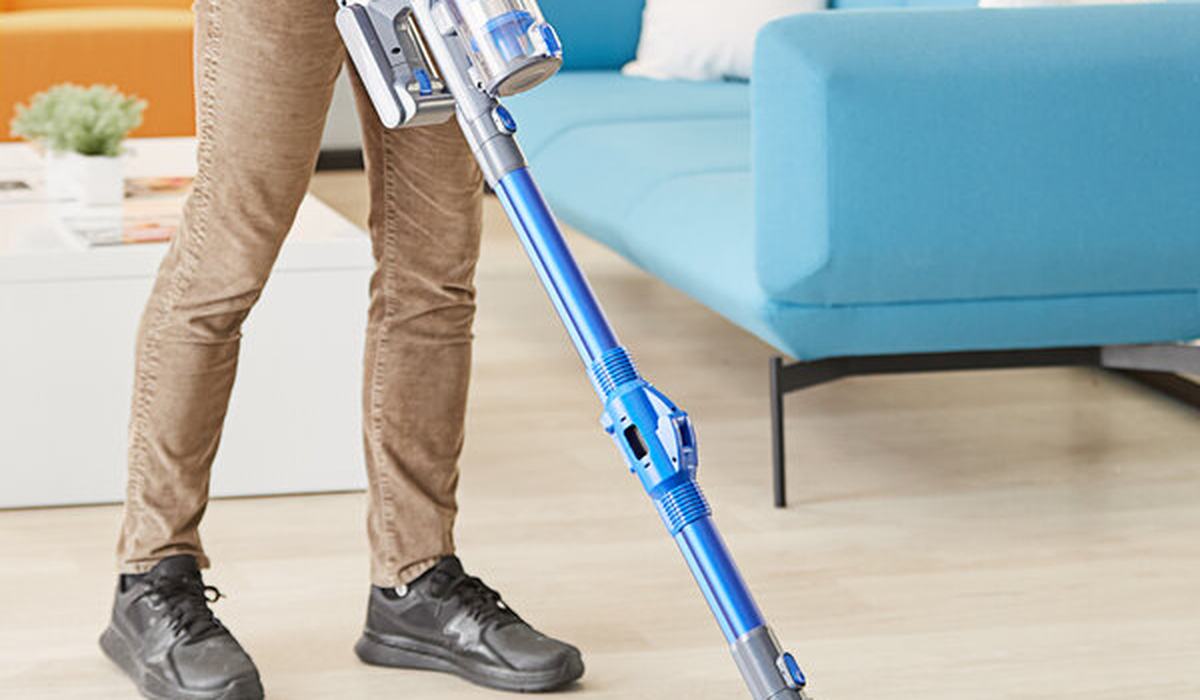
- Upholstery brush attachment on a vacuum — thorough on larger areas.
- Damp rubber sponge — excellent on short-pile fabric.
- Lint roller — good for small patches and touch-ups.
- Dryer sheet — works via static, good for light hair.
- Pumice stone — heavy-duty on stubborn fabric, but can abrade it.
- Tape — works for a patch, wasteful for a whole couch.
On this page
Why pet hair sticks so hard
- Barbed structure. Animal hair has microscopic scales along its shaft that act like tiny hooks, gripping fabric fibres.
- Static. Synthetic upholstery builds static charge that holds hair in place.
- Weave depth. Hair works its way below the surface of woven fabric, so surface wiping misses most of it.
- Constant supply. Any hair you remove is replaced the next time the pet sits down, which is why routine beats deep cleans.
1. The rubber squeegee method — free and best
This is the highest-scoring method on almost every fabric, and it costs nothing if you have a rubber glove.
- Get a rubber squeegee (a window squeegee or a pet-hair brush) or a pair of rubber cleaning gloves.
- Dampen it slightly. A little moisture increases friction and stops the hair flying.
- Drag it in one direction — short, firm strokes rather than scrubbing back and forth.
- Collect the rolls of hair as you go rather than letting them fall to the floor.
- Work in sections, overlapping each stroke. A whole couch takes about ten minutes.
- Finish with a vacuum to remove what the squeegee loosened.
The rubber creates friction against the fabric and the hair barbs at the same time, so the hair rolls into neat lines instead of scattering. It outperforms vacuum attachments on woven fabric because it reaches hair that has worked below the surface.
2. Vacuum with the right attachment
A vacuum is the thorough option, but only with the right tool on the end. The standard floor head does almost nothing on a couch.
| Attachment | Best for | Notes |
|---|---|---|
| Upholstery / turbo brush | Whole couch, large areas | The workhorse — beater bar lifts embedded hair |
| Crevice tool | Seams, corners, between cushions | Where most hair actually hides |
| Dusting brush | Delicate or loose-weave fabric | Gentle, but slow |
| Flat floor head | — | Do not bother on upholstery |
Use slow, overlapping passes and let the beater bar do the work. Speed is the enemy here — moving fast leaves hair behind. And empty the bin afterwards in a bag rather than over a bin, or you will redistribute it into the room.
3. Damp sponge or damp rubber glove
A damp household sponge or rubber glove along the fabric lifts hair on short-pile upholstery very effectively. Wring it out so it is damp, not wet, then drag in one direction and rinse the sponge as it loads.
This is gentler than a pumice stone and more thorough than a dryer sheet on mid-weight fabric.
The two tools worth buying
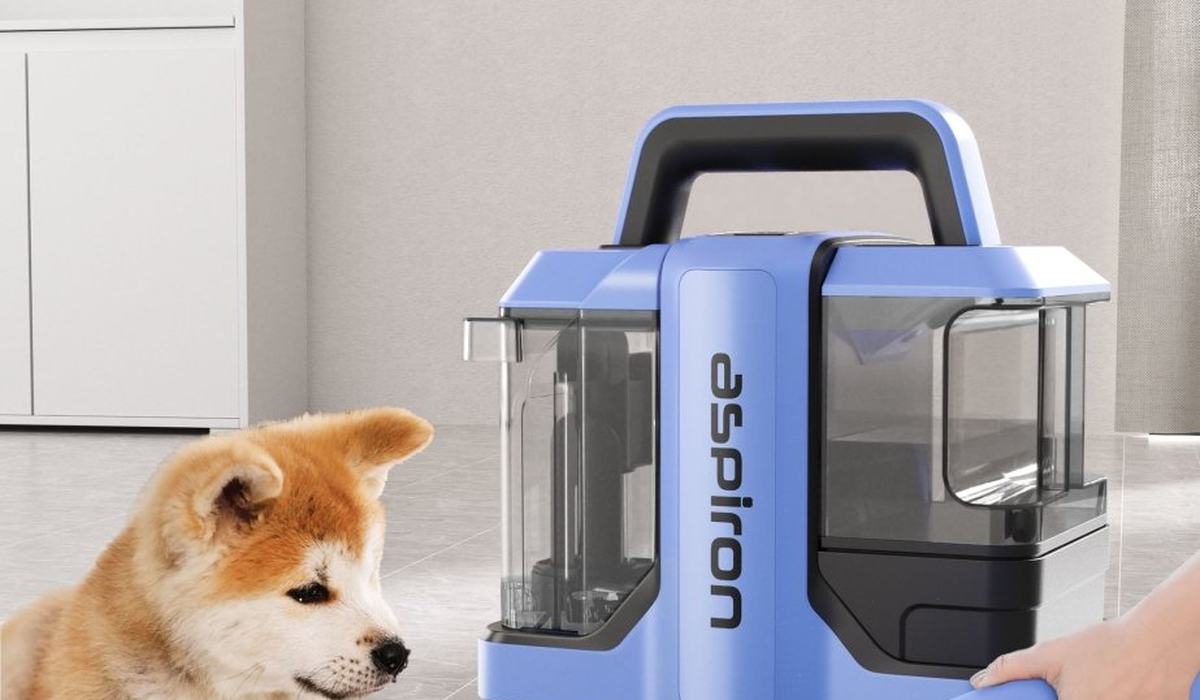
Portable upholstery cleaner — for hair plus odour and stains
A rubber squeegee removes the hair. A portable cleaner removes the embedded dander, sweat and odour that keep re-attracting your pet to the same spot. The two together solve the problem properly.
Check Price on Amazon →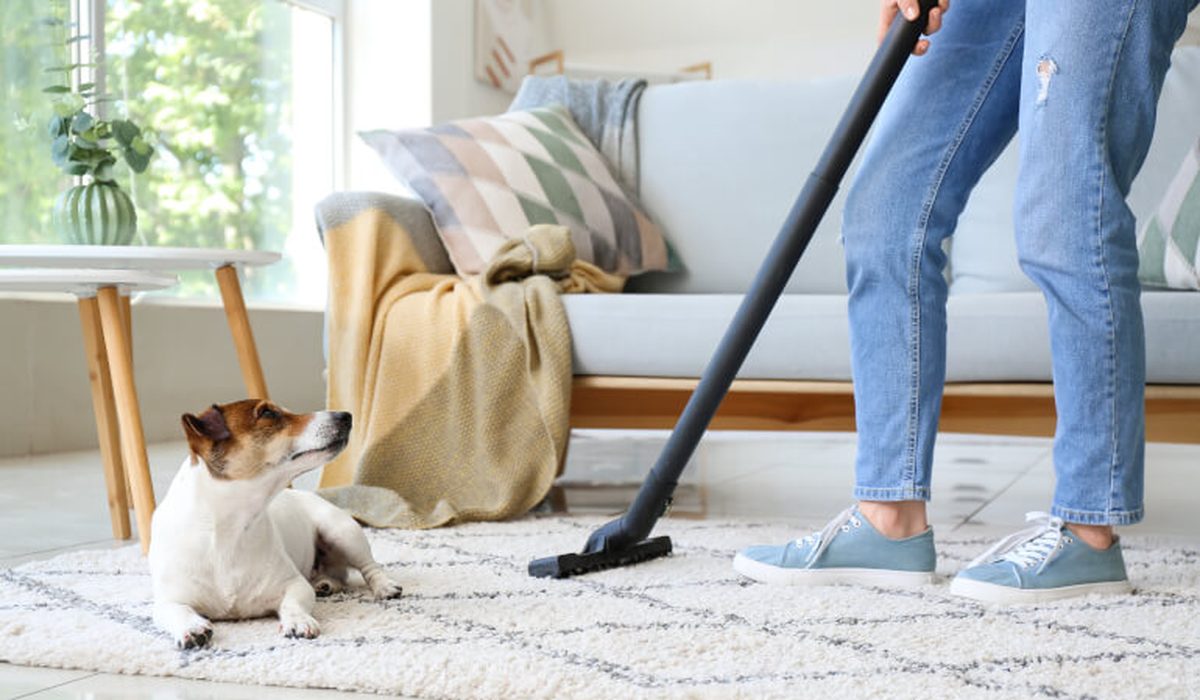
Pet upholstery brush & rubber squeegee combo
If you buy nothing else, buy a rubber pet-hair brush. It is the single most effective tool on woven fabric and it never needs replacing.
Check Price on Amazon →What does not work (and what makes it worse)
- Dry cloths and paper towels. They smear hair deeper into the weave and create static that holds it there.
- Wet wipes. They push hair into the fabric and leave residue that attracts more dust.
- Brushing with a stiff bristle brush. It flicks hair into the air, where your HVAC or nose collects it.
- Blowing with a hairdryer. You have just redistributed the hair around the apartment.
- Over-wetting. Excess water in upholstery foam is a mould risk. Damp, never soaked.
That is usually not hair — it is a scent mark. Clean the upholstery properly with an enzyme-based pet cleaner, because removing the hair without removing the scent leaves the spot just as attractive.
A 10-minute weekly routine
| Minutes | Task |
|---|---|
| 4 | Rubber squeegee over the seat cushions and back |
| 3 | Vacuum with the upholstery tool, then the crevice tool in the seams |
| 2 | Lint roller on the arms and any spot the pet favours |
| 1 | Empty the vacuum bin into a bag, outdoors or over an outside bin |
Weekly beats monthly. Hair that is removed while it is still on the surface takes a fraction of the effort of hair that has worked into the weave over a month.
A rubber squeegee does most of the work for free, a vacuum with an upholstery tool does the rest, and a portable cleaner handles the dander and odour underneath. Skip the wet wipes and the hairdryer entirely.
Frequently asked questions
The tools that actually lift pet hair
| Tool | Best on | Effectiveness |
|---|---|---|
| Rubber squeegee | Fabric upholstery | Excellent — the cheapest fix |
| Rubber glove, damp | Woven fabric | Good |
| Upholstery brush attachment | Most weaves | Good |
| Lint roller | Small areas, clothing | Moderate — uses sheets fast |
| Pet hair vacuum tool | All upholstery | Excellent — if compatible |
| Damp sponge | Smooth leather | Good |
Pet hair does not sit on upholstery — it weaves into the fibres and is held by static and friction. That is why wiping with a dry cloth fails: it slides over the top. Rubber is the effective tool because it develops enough grip to drag embedded hairs out of the weave, which is why a $5 squeegee outperforms tools costing ten times as much.
Short strokes in a single direction gather hair into a roll you can pick up. Scrubbing back and forth redistributes it. This applies to the squeegee, the glove and the brush attachment alike.