Every appliance repair guide says 'unplug it first', and every experienced technician still checks for voltage before touching a wire. Breakers get mislabelled, capacitors hold charge, and multi-appliance circuits stay live. A voltage tester is how you confirm the power is actually off.
There are two types — non-contact and contact — and they serve different purposes. This guide explains both and recommends three testers.
- Best overall: a non-contact voltage tester for quick 'is this live' checks.
- Best for accuracy: a two-lead contact tester for confirming voltage.
- Best combo: a multimeter with a built-in non-contact detector.
- Must-have feature: a self-test and a clear audible alert.
- Never rely on one tester alone for a life-safety check — verify with a second method.
Non-contact vs contact
| Non-contact | Contact (two-lead) | |
|---|---|---|
| How it works | Senses the electric field | Measures actual voltage |
| Safety | No contact with live parts | Requires touching terminals |
| Speed | Instant | A few seconds |
| Accuracy | Presence only | Exact voltage |
| Best for | Quick safety checks | Confirming a reading |
| Price | $15–$40 | $20–$60 |
Non-contact testers are the first line of defence: hold the tip near a wire or outlet and it beeps if voltage is present. Contact testers measure the actual voltage between two points, which is what you need when diagnosing a circuit. Most technicians carry both.
The 3 best picks
| Model | Type | Best for | Approx price |
|---|---|---|---|
| Klein NCVT-3P | Non-contact | Best overall | ~$30 |
| Fluke 1AC-A1 II | Non-contact | Best premium | ~$45 |
| Klein MM325 + NCVT | Combo | Best value | ~$50 |
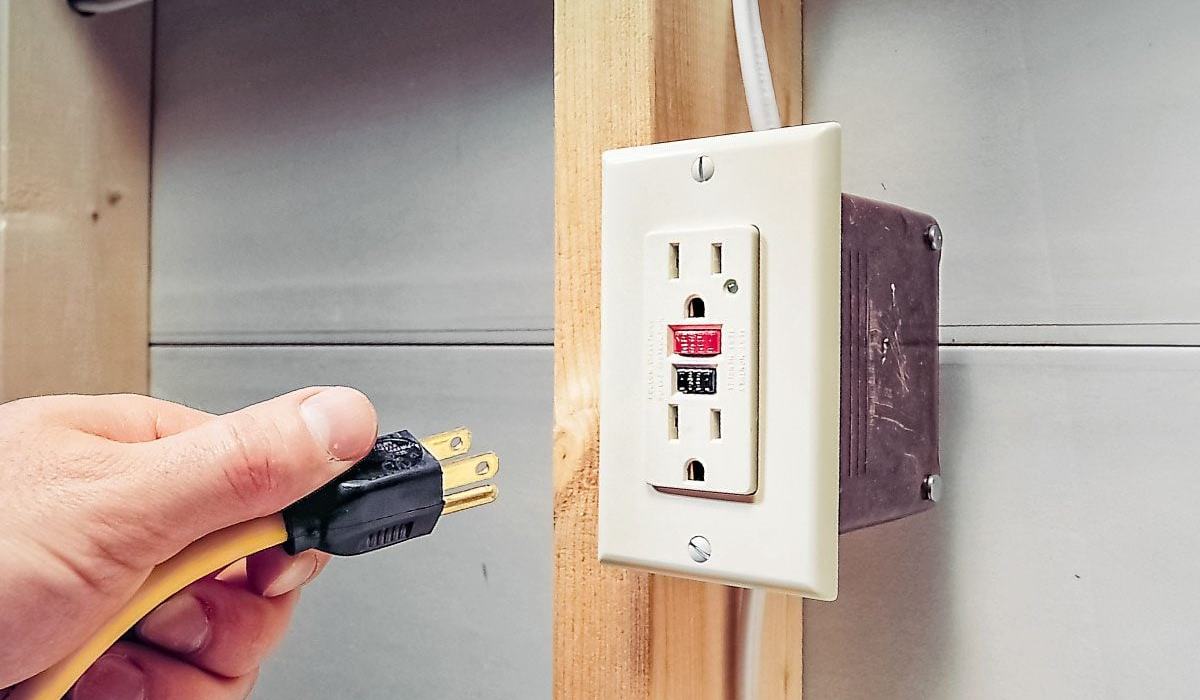
Klein NCVT-3P — best overall
Dual sensitivity range, a built-in flashlight for dark appliance bays, and a self-test. The tester most appliance techs carry.
Check Price on Amazon →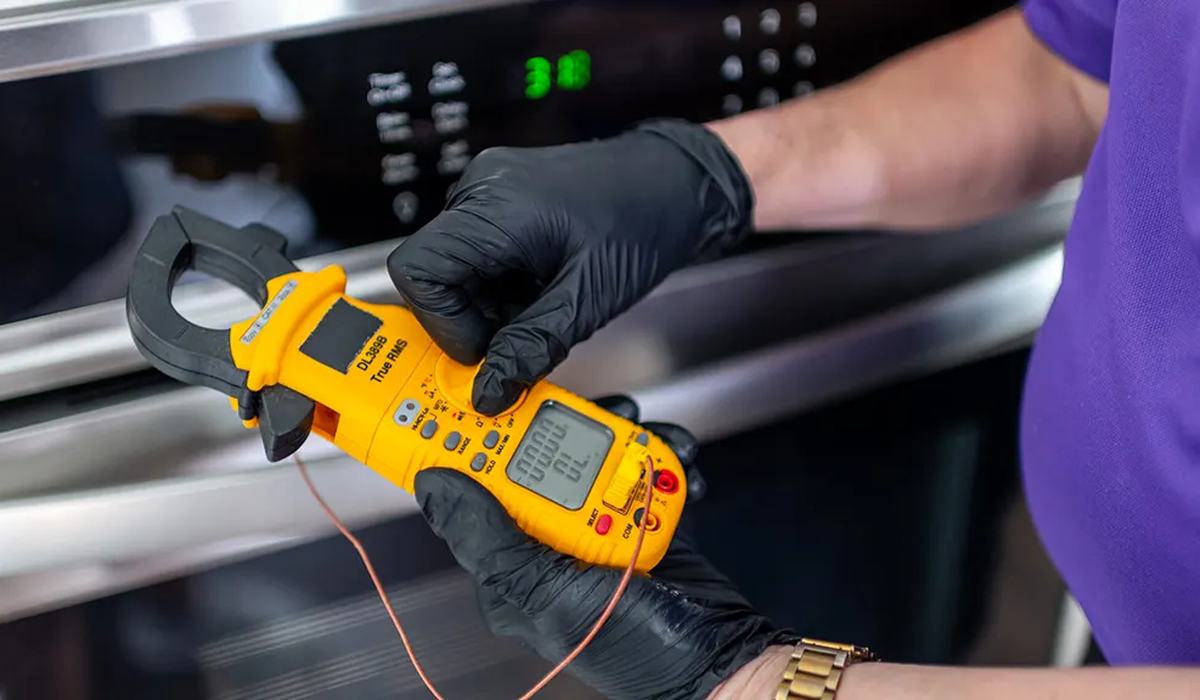
Klein MM325 + NCVT combo — best value
A multimeter and a non-contact tester together for about the price of a premium tester alone. Covers both diagnosis and safety.
Check Price on Amazon →Fluke 1AC-A1 II — best premium
The tester professionals trust for reliability. Rugged, simple, and it just works. Worth it if you use it daily.
Check Price on Amazon →How to use one safely
- Test the tester first on a known-live outlet, so you know it works.
- Check the wire or terminal you are about to touch.
- Check again after — a tester that failed silently is a hazard.
- Do not rely on non-contact alone for a life-safety decision; confirm with a contact tester or multimeter.
- Keep the tester away from your body and hold it by the body, not the tip.
- Replace the batteries regularly — a dead tester reads dead when it is not.
A non-contact voltage tester is the cheapest safety tool you can own. Buy one with a self-test and an audible alert, test it on a known-live outlet before each use, and never rely on a single tester for a life-safety check.