A mattress collects more than most people realise: dead skin, sweat, dust mites and their droppings, and the occasional spill. In a small apartment you cannot drag it outside to air, and you should never soak it — moisture inside a mattress leads to mould.
The good news is that the effective routine is a dry one. This guide walks through it step by step, using things you already have, in about an hour.
The routine at a glance
| Step | What you need | Time |
|---|---|---|
| 1. Strip and vacuum | Vacuum + upholstery tool | 10 min |
| 2. Baking soda | Baking soda + sieve | 15–30 min rest |
| 3. Vacuum it off | Vacuum + upholstery tool | 5 min |
| 4. Spot-treat stains | Damp cloth, dish soap | 10 min |
| 5. Dry and rotate | Fan, open window | 1–2 hours |
Step by step
- Strip the bed and wash the sheets, pillowcases and mattress protector on a hot cycle.
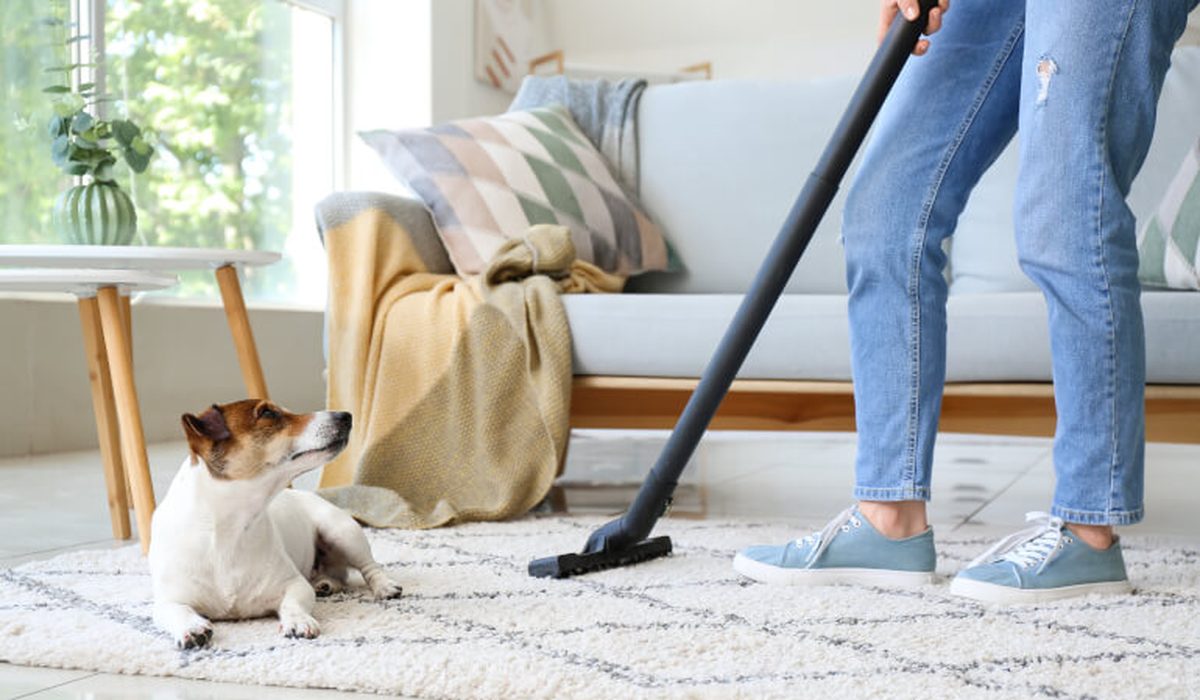
- Vacuum the whole surface with an upholstery attachment, going slowly. Do the sides and the seams, where dust collects. This removes the surface layer of skin cells and dust mite debris.
- Sprinkle baking soda evenly over the mattress through a sieve. Leave it for 15–30 minutes — it absorbs moisture and neutralises odour.
- Vacuum it all off with the same attachment. Do not leave any behind.
- Spot-treat stains with a cloth wrung out in warm water and a drop of dish soap. Blot, do not rub.
- Dry thoroughly with a fan and an open window for an hour or two before remaking the bed.
Stain-by-stain treatment
| Stain | Treatment | Notes |
|---|---|---|
| Sweat / yellowing | Hydrogen peroxide + dish soap | Test on a hidden area first |
| Blood | Cold water + salt paste | Never use hot water — it sets the stain |
| Urine | Enzyme cleaner | Blot, then enzyme, then dry fully |
| Coffee / tea | Damp cloth + dish soap | Blot from the outside in |
| Vomit | Enzyme cleaner | Remove solids first, then treat |
Whatever the stain, the technique is the same: blot from the outside of the stain inwards so you do not spread it, use as little liquid as possible, and dry the area fully afterwards.
Dust mites
Dust mites are the main reason to clean a mattress regularly. They feed on dead skin and thrive in warm, humid conditions, and their droppings are a common allergen. You cannot see them, but the routine above removes most of them.
- Wash bedding hot. A 130°F (54°C) wash kills dust mites. Cold water does not.
- Use a mattress protector. An allergen-proof cover you can wash is the single most effective step.
- Lower the humidity. Keep the bedroom under 50% relative humidity — mites cannot survive in dry air.
- Vacuum regularly. Weekly vacuuming of the mattress keeps the population down.
Choosing a mattress protector
The single most effective thing you can do for a mattress is put a washable protector on it. It takes the sweat, spills and dust mite debris that would otherwise go into the mattress, and it goes in the washing machine.
- Waterproof vs water-resistant. Waterproof has a membrane that blocks liquid entirely; water-resistant slows it down. For a child’s bed or a rental, waterproof is worth it.
- Allergen-proof. A tightly woven cover keeps dust mites out of the mattress. Look for one described as allergen-barrier.
- Fit. A protector that is too loose bunches and is uncomfortable. Measure the mattress depth, including any topper.
- Washability. Check it can go in a hot wash — that is what kills dust mites.
Wash the protector monthly on a hot cycle, and the sheets weekly. That routine alone does more for mattress hygiene than any deep clean.
How often to do what
| Task | Frequency |
|---|---|
| Wash sheets and pillowcases | Weekly |
| Wash mattress protector | Monthly |
| Vacuum the mattress | Every 2–3 months |
| Baking soda deodorise | Every 2–3 months |
| Rotate the mattress | Every 3 months |
| Deep clean / spot-treat | As needed |
Rotating the mattress every three months stops it developing a dip where you sleep, and it is the one maintenance task people skip most often. Set a reminder — it takes two minutes.
Dealing with odour
A mattress that smells is usually holding moisture, and moisture is what feeds the bacteria and mould that cause the smell. Removing the odour means removing the moisture, not covering it up.
- Baking soda is the first step. It absorbs both moisture and odour. Leave it for at least 30 minutes, longer for a strong smell.
- Air it out. Prop the mattress on its side with a fan blowing across it for a few hours. Airflow is what actually dries it.
- Sunlight helps. If you can get the mattress near a window, UV light kills some of the surface bacteria. Do not leave it in direct sun for long — it can yellow the fabric.
- Enzyme cleaner for organic smells. Sweat, urine and vomit need an enzyme cleaner, which breaks down the source rather than masking it.
- Do not use fabric freshener. It adds moisture and fragrance on top of the problem, and the smell returns.
If a mattress smells musty even after cleaning and drying, the moisture is inside it. That usually means it has been wet for a long time, and in that case replacement is the safer option — mould inside a mattress is not something you can clean out.
Common mistakes
- Soaking the mattress. The most common and most damaging mistake. Water inside the foam leads to mould.
- Using hot water on blood. Heat sets protein stains permanently. Always use cold water for blood.
- Rubbing instead of blotting. Rubbing spreads the stain and pushes it deeper into the fabric.
- Skipping the drying step. A damp mattress is worse than a dirty one. Always dry fully before remaking the bed.
- Ignoring the protector. A washable protector is the single most effective way to keep a mattress clean.
Gear that helps
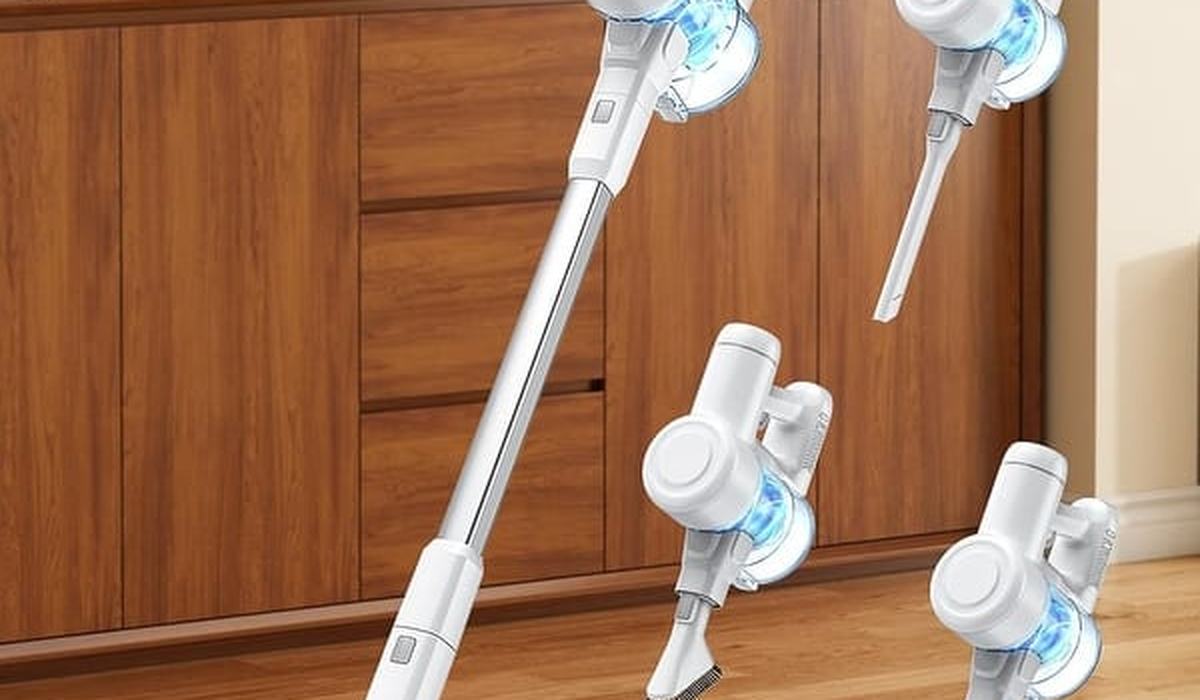
An upholstery attachment and a washable allergen-proof mattress protector make this routine far easier and keep the mattress clean between deep cleans.
Frequently asked questions
How often should I clean my mattress?
Can I use a steam cleaner on a mattress?
How do I get rid of dust mites in a mattress?
How do I remove urine smell from a mattress?
Can I clean a mattress without a vacuum?
Related guides