On this page
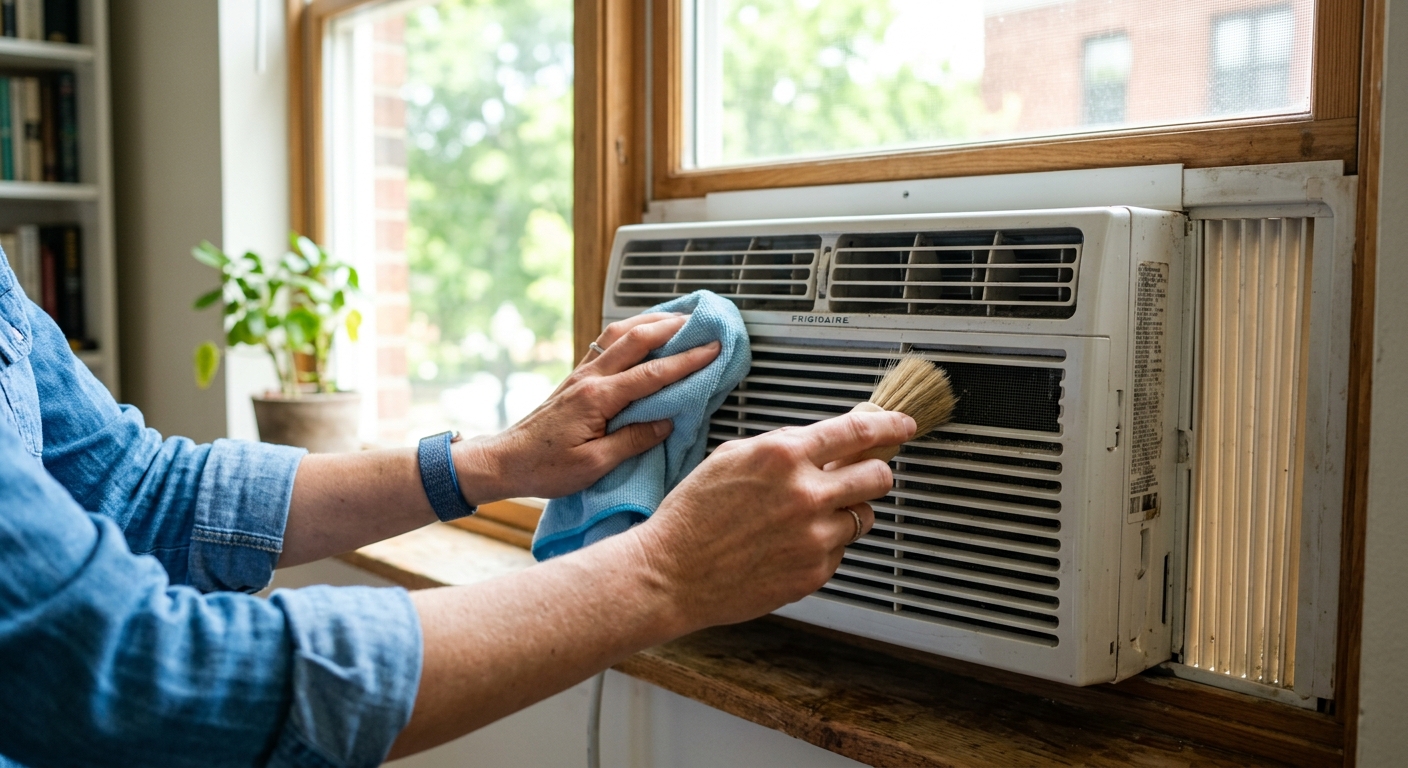
Dirt does more than look bad here. A clogged filter and a grimy coil make the unit work harder for less cooling, and — most relevant to renters — a wet, dirty coil and pan are where musty smells come from. If your problem is specifically a smell, start with why your apartment AC smells musty; this guide is the mechanical clean that usually fixes it.
Why a window AC gets dirty so fast in an apartment
- The filter is coarse. Most window-unit filters catch the big stuff only; fine dust travels straight to the coil.
- The coil stays wet. A cold, wet surface collects dust that a dry surface would shed.
- Apartment air is full of sticky stuff. Cooking grease, pet dander and candle soot all bond to the coil and blower wheel.
- Pollen and street dust. A window unit pulls outside air across the condenser coil all day.
Before you start: renter rules and safety
- Unplug the unit before doing anything else. Not "switch it off" — unplug it.
- Never spray or pour water into a plugged-in unit. Clean the removable parts away from the electrics.
- Do not tip a window unit far. Compressor oil can migrate, and it may take hours to settle. Keep it upright, or tilt only slightly for access to the back.
- If the unit is a through-wall or central system, this guide is not for you — that is a professional or landlord job.
- Put a towel under the unit. A surprising amount of water comes out of the pan.
What you need
- A Phillips screwdriver (most units use one size; a basic set covers the rest — see best screwdriver sets for appliance repair)
- A soft brush and a vacuum with a brush attachment
- Mild dish soap and warm water, plus a spray bottle
- A fin comb (cheap, and it stops you mangling the coil)
- Microfibre cloths and a towel or two
- Optional: a can of no-rinse AC coil cleaner
For a full picture of what a renter repair kit should contain, our appliance repair tools checklist is a good baseline.
Step-by-step: the 30-minute clean
1. Unplug and remove the filter
Pull the plug. Take off the front panel or grille if it covers the filter (usually one or two screws, sometimes a push-fit). Slide the filter out. This alone tells you a lot — if it is grey and matted, the coil behind it is dirty too.
2. Wash or replace the filter
Rinse the filter under lukewarm water from the clean side, so you push dust out rather than into it. Use a drop of dish soap if it is greasy. Let it dry completely before it goes back — a damp filter is a smell waiting to happen. If it is torn or permanently matted, replace it; filter material is cheap and can be cut to size.
3. Take off the front panel and grille
With the unit unplugged, remove the front panel and the grille so the evaporator coil is visible. Keep the screws in a cup — window units use several small ones and they are easy to lose.
4. Clean the evaporator coil
Vacuum the coil first with a soft brush attachment, then brush gently in the direction of the fins, never across them. Spray a mild cleaner on, let it sit per the label, and wipe. If fins are bent, straighten them with a fin comb. Bent fins block airflow and are the fastest way to lose cooling.
5. Clean the blower wheel
The blower wheel (the cylindrical fan behind the coil) collects greasy dust that you can usually reach with a soft brush. Brush it clean, and wipe the housing. Do not force it to spin — turn it by hand only as far as it moves freely.
6. Clear the drain pan and drain holes
This is the step that matters most for smell, and the one most often skipped. Water condenses on the coil and drips into a shallow pan at the bottom, then out through a hole. Clear any sludge from the pan and push a pipe cleaner or soft wire through the drain hole until water flows freely. Flush with warm water and confirm it drains.
7. Clean the outdoor (condenser) coil
From outside — or from the back with the unit still in place — vacuum or brush the outdoor coil free of leaves, fluff and dust. A blocked condenser coil is why a tired unit stops cooling well.
8. Dry, reassemble, and test
Let every part dry fully. Reassemble, put the filter back (dry), plug in, and run the unit on fan-only first for a few minutes to blow out any loosened dust, then switch to cool. If the unit still smells musty after a full clean, the growth is somewhere you cannot reach and it is worth reading the smell guide again before spending more.
Quick clean vs deep clean
| When | What to do | Time |
|---|---|---|
| Monthly in cooling season | Rinse or replace the filter; wipe the grille | 5 min |
| Any musty or dusty smell | Full clean: coil, blower wheel, drain pan, drain hole | 30–45 min |
| Start of cooling season | Full clean plus outdoor coil and a fin check | 45–60 min |
| End of season | Quick clean and dry the pan; run fan-only to dry the coil before storing | 15 min |
The renter-specific cautions
- Keep it sealed and supported without damaging anything. A window unit that is not supported properly can leak cold air — and water — into the reveal. Removable insulation and brackets that need no new holes are the renter-safe answer; see window insulation kits for apartments.
- Protect the floor. Put a towel and a shallow tray under the unit before you start; the pan holds more water than you expect.
- Never silicone or screw a unit into a rental window without written permission.
- If it is a through-wall unit — an opening cut into the wall — do not attempt this clean. It is the landlord's unit.
- Keep the receipt trail. If a clean reveals a fault (a burnt-smelling motor, a cracked pan), report it in writing rather than trying to fix it yourself.
Tools and Supplies That Make This Easier
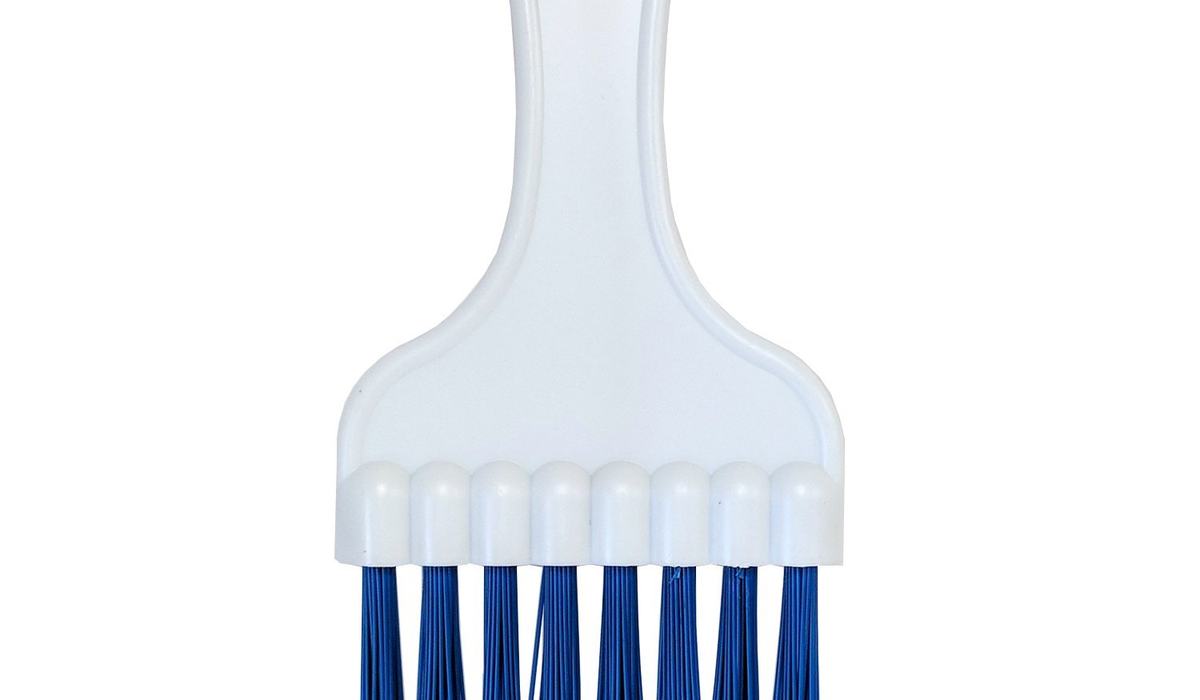
A fin comb saves the coil from the damage a stiff brush can do, and cut-to-size filter material is cheaper than model-specific filters and fits any window unit.
Check Price on Amazon →- A fin comb. A few dollars, and it saves the coil from the damage a brush can do.
- A basic screwdriver set. See our picks — one small set covers almost every apartment appliance.
- Cut-to-size AC filter material. Cheaper than model-specific filters and it fits any window unit.
- A vacuum brush attachment. The safest way to lift dust off a coil and blower wheel.
Affiliate disclosure: as an Amazon Associate we may earn a commission from qualifying purchases, at no extra cost to you.
If it still smells after cleaning
A musty smell that survives a full clean usually means the growth is inside the sealed part of the unit or in the room itself — high humidity, a damp wall, or wet ductwork. Work through the causes in Apartment AC Smells Musty, which covers the landlord-or-you split and the deeper moisture fixes.
When to call a professional
- Any burning, hot-plastic or electrical smell — stop and unplug.
- Cracked or rusted drain pan that cannot be cleaned.
- A unit that will not cool at all after cleaning.
- Any through-wall, central or mini-split system.
Getting the unit out safely on your own
Cleaning a window AC properly usually means taking it out of the frame, and that is where most damage happens — to the unit, to the window, or to you. A little preparation makes it safe and quick.
Before you lift anything
- Unplug it, and give it a few minutes. Never work on a plugged-in unit.
- Have a second person for anything above the first floor, or work from inside only. Window units are heavier than they look and are front-heavy.
- Lay down towels or a bin bag where you set it down — the drain pan holds water.
- Photograph the mounting before you remove it, so you can put the brackets and side panels back the way they were.
What to actually clean, and in what order
- Filter. Rinse and let it dry completely before refitting. A damp filter grows odour.
- Evaporator coil (the front fins). Brush along the fins, then apply a foaming coil cleaner and let it work before rinsing.
- Blower wheel. Usually the source of the musty smell and the hardest part to reach; brush and vacuum it in place.
- Drain pan and drain hole. Clear the hole with a pipe cleaner or a length of wire so water can actually escape.
- Condenser coil and cabinet (outside). Rinse the outside fins, and never bend them with a stiff brush.
What not to do to a window unit
| Do not | Why |
|---|---|
| Pressure-wash the coil at full force | Bends fins and can flood the electrics |
| Tip the unit more than briefly | Compressor oil migrates; let it stand upright for hours before running |
| Run it while wet inside | Risk of damage and a mild electrical shock risk |
| Use bleach on the coil | Corrodes the fins; use a proper coil cleaner |
Reinstalling so it does not leak or fall
Put a slight downward slope toward the outside so condensate drains out rather than into the room, refit any support bracket exactly as photographed, and seal the side gaps with the foam or accordion panels that came with the unit. Re-seal the window opening so hot outside air is not drawn straight back in, which also helps humidity — see reducing apartment humidity.
Frequently asked questions
How often should I clean a window AC unit?
Can I clean it without taking it out of the window?
What if I bent some fins?
Can I use bleach to clean the pan?
My landlord's window unit is mouldy. Can I just clean it?
Sources: U.S. Department of Energy (room air conditioner maintenance), U.S. EPA (Residential Air Cleaners guide), AHAM (air-cleaner certification), manufacturer service documentation for window-unit coil and drain-pan cleaning.
Related guides
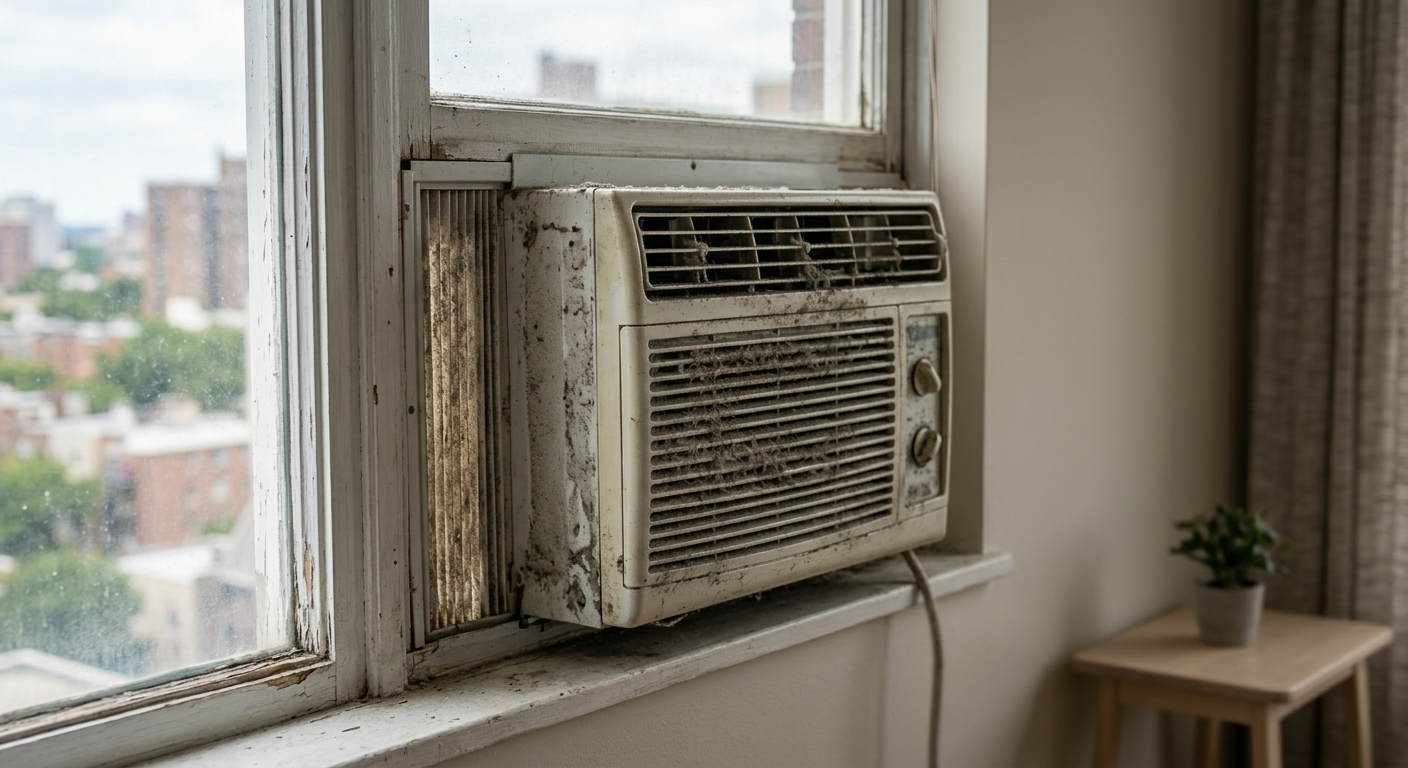
Apartment AC Smells Musty: What It Means and How Renters Fix It
Why the smell happens and how to stop it returning.
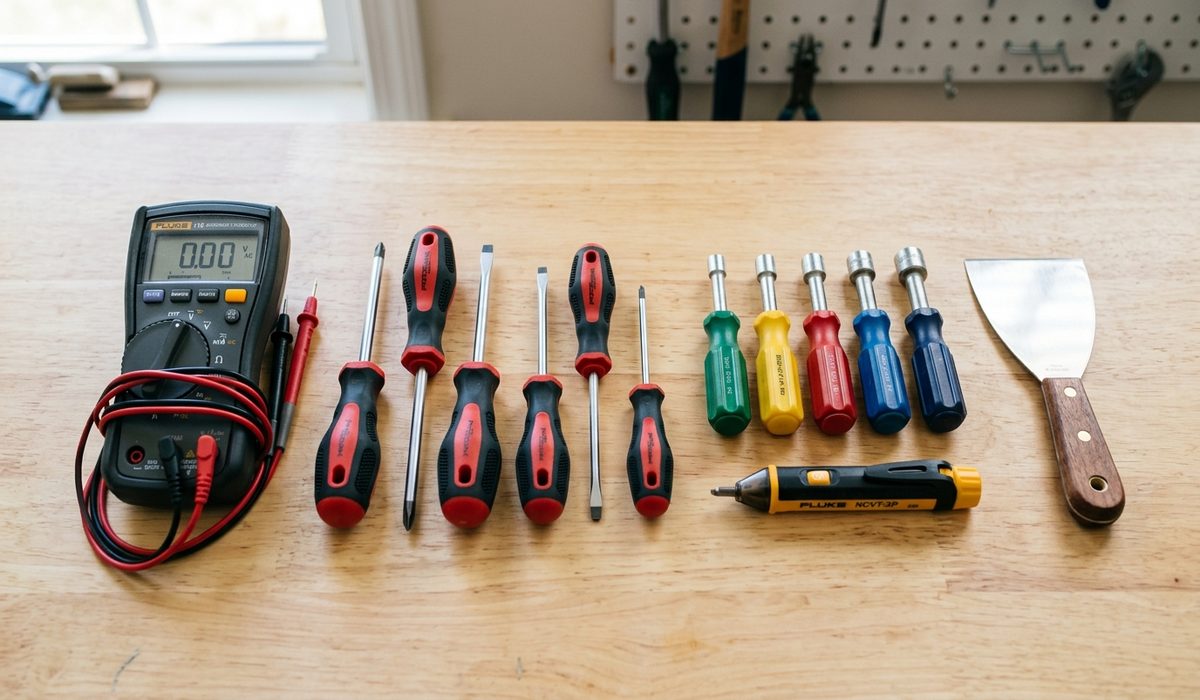
Best Screwdriver Sets for Appliance Repair
One small set covers almost every apartment appliance.