On this page
The target humidity
Relative humidity is the percentage of moisture the air is holding relative to what it could hold at that temperature. It changes with temperature, which is why a room feels damp in the morning and dry in the afternoon.
| Humidity | What happens |
|---|---|
| Above 60% | Mold, dust mites and musty smells thrive |
| 50–55% | The target: comfortable and mold-suppressed |
| 40–50% | Acceptable, slightly dry |
| Below 40% | Too dry: static, dry skin, cracking wood |
A $10–$20 humidity monitor is the first thing to buy. Without a number, you are guessing — and you cannot tell whether your fixes are working.
Where the moisture comes from
Before you buy a dehumidifier, know what you are fighting. In an apartment, moisture comes from a few predictable places:
- Showering — a 10-minute hot shower adds a large amount of water vapour to the air.
- Cooking — boiling pasta or rice releases steam directly into the kitchen.
- Drying laundry indoors — one load of wet laundry can add litres of water to the air.
- Breathing — two people in a small bedroom raise humidity overnight.
- Leaks and damp walls — a slow leak keeps humidity high permanently.
Sizing a dehumidifier
Dehumidifiers are rated in pints of water removed per 24 hours. Size by how damp the space is, not just its area.
| Condition | Pint capacity | Notes |
|---|---|---|
| Slightly damp, musty smell | 20–22 pints | Small apartment, maintenance |
| Visibly damp, condensation on windows | 30 pints | Most damp apartments |
| Wet, damp patches, strong smell | 50 pints | Serious moisture problem |
| Very wet, standing water risk | 70+ pints | Fix the water source first |
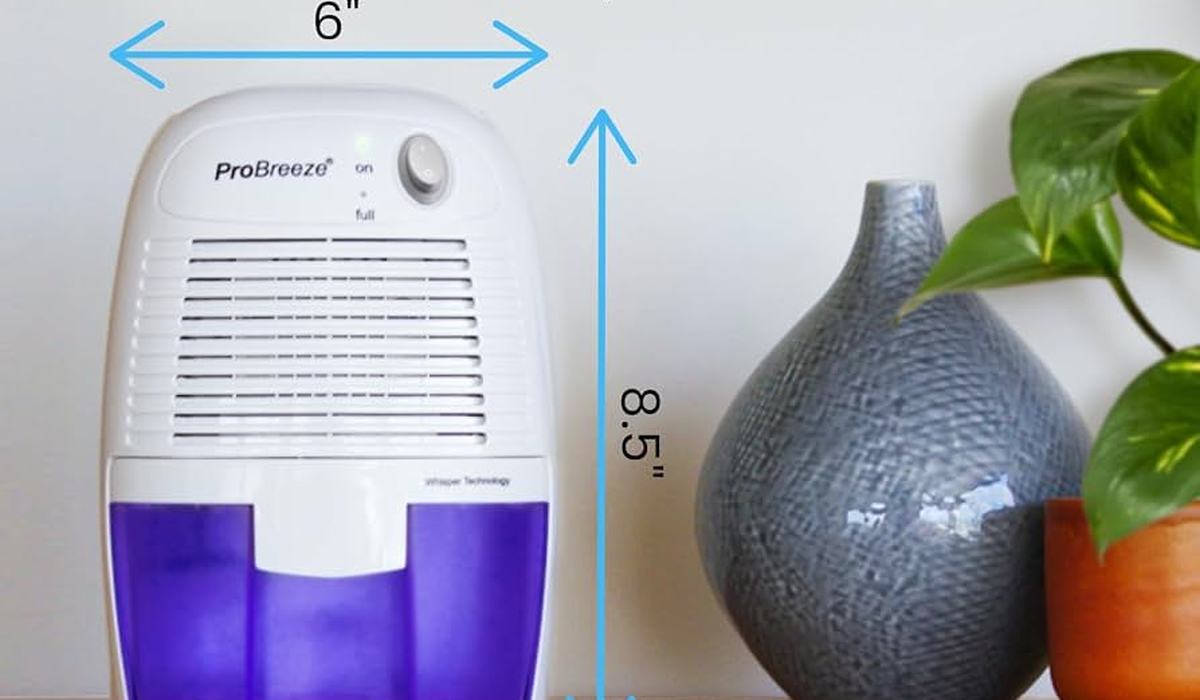
Dehumidifier with Continuous Drain
A 30-pint unit with a continuous-drain option, so you can leave it running without emptying a tank. Right-sized for most damp apartments.
Check Price on Amazon →Free habits that help
A dehumidifier is the fix, but these habits reduce how hard it has to work — and they cost nothing:
- Run the bathroom fan during and for 20 minutes after every shower. If there is no fan, open a window.
- Squeegee the shower walls after use. Two minutes removes most of the water that would evaporate into the room.
- Cook with lids on and run the range hood. This keeps steam out of the air.
- Dry laundry with ventilation — open a window or use a dryer. Indoor drying without ventilation is the single biggest humidity source in many apartments.
- Keep furniture off exterior walls so air can circulate and condensation can dry.
Four humidity mistakes
- Buying a purifier instead of a dehumidifier. A purifier removes particles, not moisture. For humidity you need a dehumidifier.
- Buying a dehumidifier that is too small. An undersized unit runs constantly and never reaches the target. Size by how damp the space is.
- Setting the humidistat too low. Running to 30% wastes electricity and over-dries the space. Set it to 50–55%.
- Drying laundry indoors without ventilation. One load of wet laundry can add litres of water to the air. This is the biggest single source in many apartments.
Measuring humidity properly
A humidity monitor is the first thing to buy, but where you put it changes the reading.
| Location | What it tells you |
|---|---|
| Middle of the room, 3 ft up | The room's actual humidity |
| Next to a window | Outdoor-influenced, misleading |
| In the bathroom | Peak humidity after a shower |
| In a closet | Whether the closet needs its own fix |
| Near the AC vent | Dry air from the AC, not the room |
Take readings at the same time each day, because humidity changes with temperature. A morning reading and an evening reading can differ by 15% in the same room, purely because the air warmed up.
Where the moisture comes from
Before buying a dehumidifier, find the source. In an apartment there are only a few, and some are free to fix.
| Source | Contribution | Fix |
|---|---|---|
| Drying laundry indoors | Very high | Ventilate, or use a dryer |
| Showering | High | Run the fan 20 minutes after |
| Cooking | Medium | Use the extractor hood |
| Boiling water | Medium | Cover pans, use the hood |
| Plants | Low | Reduce the number |
| Leaks | Variable | Fix them |
Drying laundry indoors is the biggest single source in most apartments. One load of wet laundry can add several litres of water to the air. If you dry indoors, ventilate while you do it, or the dehumidifier is fighting a losing battle.
Reducing humidity, in order
- Ventilate — open windows when the outdoor humidity is lower than indoors.
- Run the extractor fan in the kitchen and bathroom.
- Fix leaks — a dripping tap adds moisture continuously.
- Use a dehumidifier set to 50–55%.
- Dry laundry outdoors or in a dryer if you can.
Ventilation is free and it is the first step, but it only works when the outdoor air is drier than the indoor air. In a humid summer, opening the window can make things worse — that is when the dehumidifier earns its place.
The target and the tools
Aim for 40–50% relative humidity. Below 30% is uncomfortable and dries out your skin and sinuses; above 60% supports mold and dust mites. A $10 humidity monitor tells you where you are, and a dehumidifier sized to the space keeps you there. In a small apartment, a 20–30 pint unit is usually enough.
The tools that help
Three inexpensive tools solve most apartment humidity problems.
| Tool | Cost | What it does |
|---|---|---|
| Humidity monitor | $10–$20 | Tells you where you are |
| Dehumidifier | $150–$250 | Removes moisture |
| Extractor fan | Often already fitted | Removes moisture at the source |
| Moisture absorber | $10–$20 | Small spaces, closets |
A humidity monitor is the first buy, because you cannot fix what you cannot measure. A dehumidifier is the workhorse for a damp room, and a moisture absorber is enough for a closet or a small cabinet.
Humidity through the year
Apartment humidity changes with the season, and so should your approach. In summer, warm humid air meets cold surfaces and condenses, so a dehumidifier earns its place. In winter, heating dries the air and the problem is usually too little humidity, not too much. Run the dehumidifier seasonally, and check the monitor before you assume you need it.
Frequently asked questions
How do I reduce humidity in my apartment?
What is a healthy humidity level indoors?
What size dehumidifier do I need for an apartment?
Why is my apartment so humid even with the windows closed?
Will an air purifier reduce humidity?
Related guides
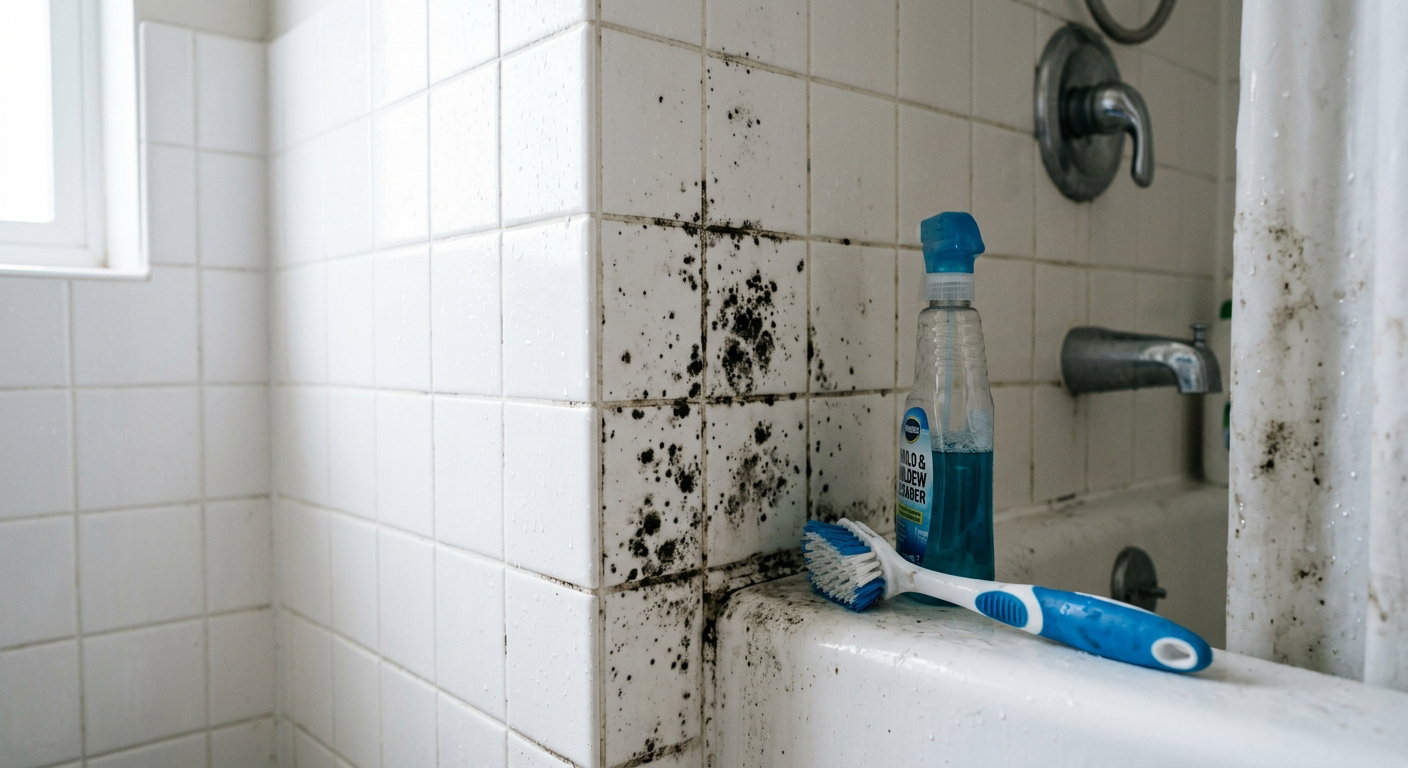
How to Remove Mold From Bathroom Walls
Cleaner by surface, and how to stop it returning.