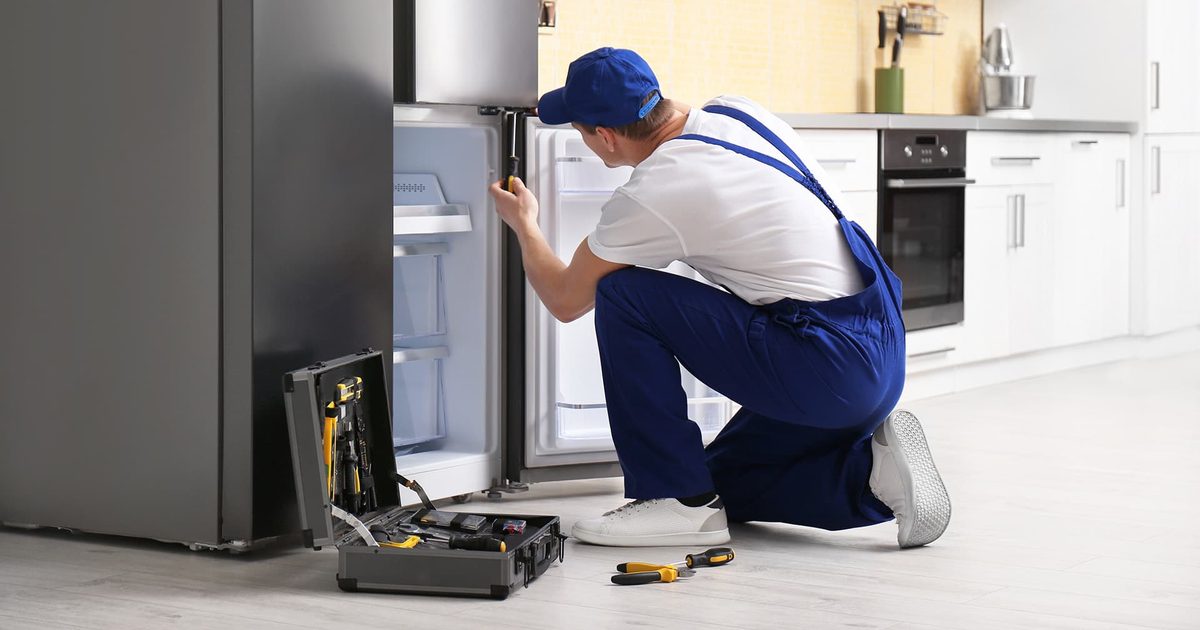
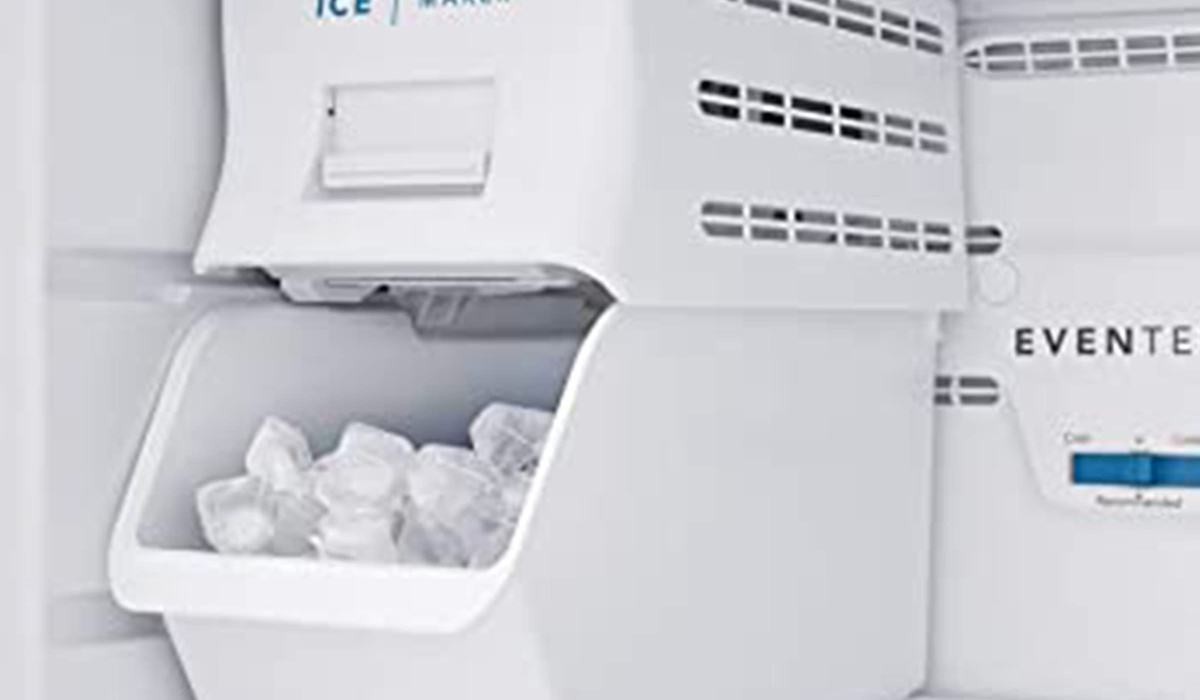
An ice maker runs a fixed cycle: the inlet valve fills the mold with water, the freezer freezes it, a heater briefly warms the mold to release the cubes, and the ejector arm sweeps them into the bin. A failure at any step stops production, and the symptom tells you which step.
This guide works through the seven causes in the order a technician checks them, so you can narrow it down without replacing parts at random.
On this page
Match the symptom to the cause
| Symptom | Likely cause | Difficulty |
|---|---|---|
| No ice, no sound at all | Ice maker switched off / bail arm up | Easy |
| No ice, no water sound | Supply valve, filter or inlet valve | Easy–Medium |
| Ice maker fills but no cubes form | Freezer too warm / door seal | Easy |
| Cubes form but never drop | Mold heater or ejector motor | Medium |
| Ice is small or hollow | Low water pressure / clogged filter | Easy |
| Ice maker frozen solid | Leaking inlet valve | Medium |
1–3. The quick checks
1. Is the ice maker switched on?
It sounds obvious, but it is the most common cause. Older models have a metal bail arm that must be down; newer ones have a switch or a setting in the app. Check it before anything else.
2. Supply valve and water filter
The ice maker draws from the same water supply as the dispenser. If the shut-off valve behind the fridge is closed, or the water filter is clogged, the ice maker gets no water. Check the valve is open and replace the filter if it is due.
3. Freezer temperature
Ice needs the freezer at 0°F (−18°C) or below. If the freezer is running warm — because of a door seal problem or a defrost fault — the ice maker will fill but the water will not freeze properly, giving you small, hollow or slushy cubes.
4–5. Filling problems
4. Water inlet valve
If the ice maker never fills, the inlet valve is the prime suspect. It is a solenoid that opens to let water in. Test it for continuity with a multimeter — no continuity means the coil has failed. This is the same valve that feeds the water dispenser, so if the dispenser also stopped, the valve is very likely the cause.
5. Low water pressure
The inlet valve needs a minimum water pressure to fill the mold in the time allowed. If your household pressure is low, or the supply line is kinked, the mold only partly fills and you get small or hollow cubes. Check the line for kinks and confirm the valve is fully open.
6–7. Ejection problems
6. Mold heater
The mold heater briefly warms the ice mold so the cubes release. If it fails, the cubes form but never drop — you end up with a solid block of ice in the mold. Test the heater for continuity; no continuity means it needs replacing.
7. Ejector motor and gears
The ejector motor turns the arm that sweeps the cubes out. If the motor fails or the plastic gears strip, the arm stops moving. You will often hear the motor trying to turn without the arm moving. This is a replaceable assembly on most models.
Ice maker maintenance
An ice maker that is maintained rarely fails. The routine is short, and it prevents most of the faults in this guide.
- Change the water filter every six months. A clogged filter starves the ice maker and produces small, hollow cubes.
- Empty and clean the bin monthly. Old ice absorbs odours from the freezer and can stick together.
- Check the freezer temperature. It should be 0°F (−18°C). Warmer than that and the ice will not form properly.
- Inspect the inlet valve annually. A slow leak overfills the mold and freezes the whole assembly solid.
- Run a test cycle after any repair. Most models have a test button — use it to confirm the fix before you rely on it.
If you are going away for more than a few weeks, switch the ice maker off and empty the bin. Ice left sitting for a month absorbs freezer odours and the mechanism can seize.
Ice maker types and how they differ
Not all ice makers fail the same way, and knowing which type you have narrows the diagnosis immediately.
| Type | How it works | Common failure |
|---|---|---|
| In-door dispenser | Mold in the door, fed by a line through the hinge | Frozen fill tube, clogged filter |
| In-freezer bin | Mold in the freezer compartment | Frozen mechanism, bad inlet valve |
| Freestanding / portable | Self-contained, fills from a reservoir | Pump failure, scale build-up |
| Craft / clear ice | Slow freeze in a dedicated mold | Long cycle, sensor fault |
In-door ice makers are the most common in apartments, and they are also the most prone to the frozen fill tube — because the line runs through the door hinge, where it is exposed to the freezer air. If your ice maker is in the door and has stopped, check the fill tube first.
Repair or replace?
Once you know the fault, the decision is usually straightforward. Ice maker parts are cheap; the labour is what makes a professional repair expensive.
| Fault | Part cost | DIY difficulty |
|---|---|---|
| Clogged filter | $30–50 | Easy |
| Frozen fill tube | $0 | Easy |
| Faulty inlet valve | $20–40 | Moderate |
| Bad ice maker module | $80–150 | Moderate |
| Failed control board | $150–300 | Hard |
If the fault is a filter, a frozen tube or an inlet valve, it is worth doing yourself. If it is the module or the control board, compare the part price against the cost of a new refrigerator — on an older unit, the money is often better put towards a replacement.
Parts that help
A new water filter and an ice maker inlet valve solve most ice maker faults. Check the model number before ordering.
Frequently asked questions
Why did my ice maker suddenly stop making ice?
How do I reset my ice maker?
Why is my ice maker making small or hollow ice cubes?
Why is my ice maker frozen solid?
How long should an ice maker take to make ice?
Related guides
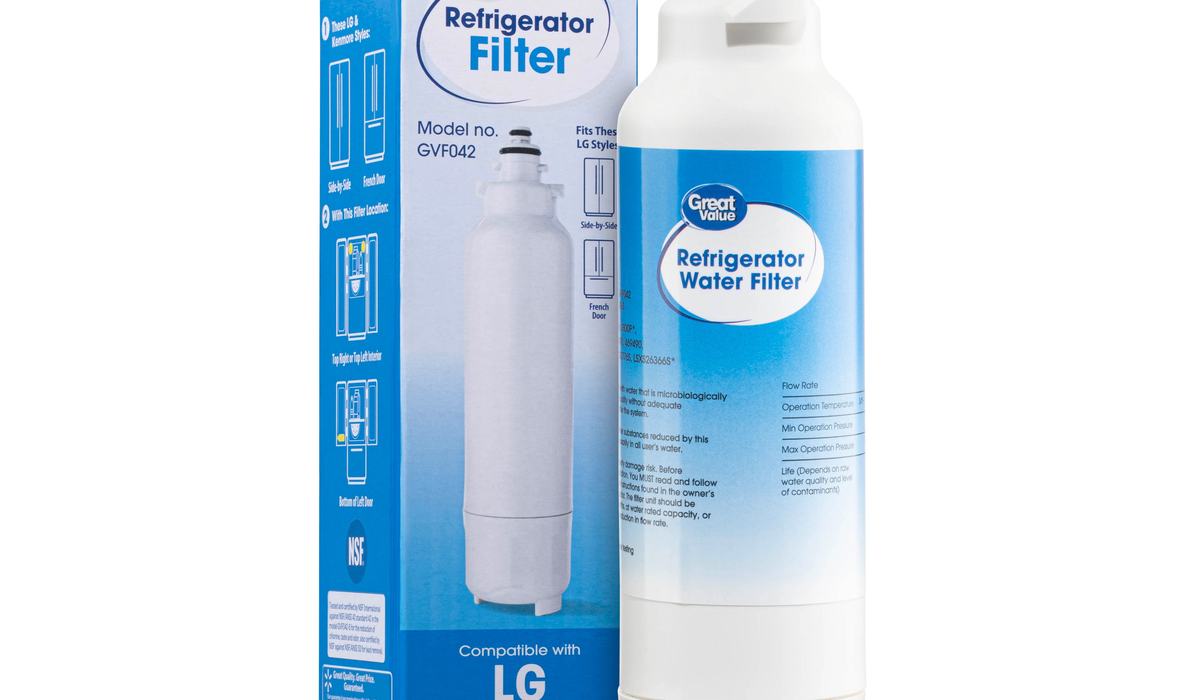
How to Replace a Refrigerator Water Filter
The five-minute job that fixes most ice problems.