On this page
Why HEPA alone does not work on smoke
Cigarette smoke is two things at once:
- Particles — the visible smoke and tar droplets. A HEPA filter catches these well.
- Gases and VOCs — the smell, the irritants, and the compounds that linger on walls and fabric. HEPA does nothing for these.
This is why a HEPA-only purifier removes the visible smoke but leaves the smell. The smell is a gas, and gases need activated carbon. A purifier with a thin carbon pre-filter will not do it — you need a substantial carbon bed.
Carbon is the key spec
Carbon filters are rated by weight. A 0.5 lb carbon pre-filter is a token; a 5–15 lb carbon canister is a real filter. For cigarette smoke, look for the weight, not the word “carbon” on the box.
| Carbon weight | Effectiveness on smoke odour | Typical units |
|---|---|---|
| Under 1 lb | Minimal — a token pre-filter | Most budget purifiers |
| 1–3 lbs | Moderate — helps in a small room | Mid-range units |
| 5–15 lbs | Strong — the range you want | IQAir, Austin Air |
| 15+ lbs | Very strong, long life | Austin Air HealthMate |
Our picks for cigarette smoke
Best overall: IQAir HealthPro Plus
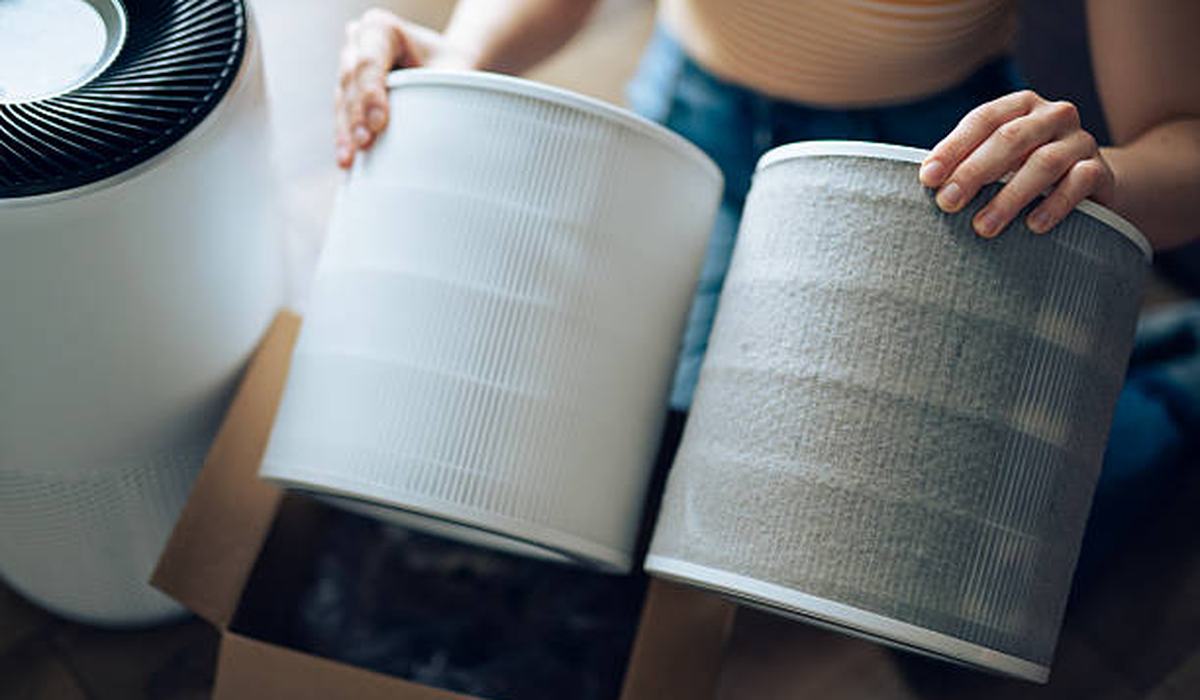
The HealthPro Plus is the reference purifier for smoke. It combines a true HEPA filter with a large carbon-and-potassium-permanganate filter that actually removes smoke odour and VOCs. It is expensive, but nothing cheaper handles smoke as well.

IQAir HealthPro Plus
A large carbon and permanganate filter plus true HEPA. The most effective consumer purifier for cigarette smoke and odour.
Check Price on Amazon →Best value: Winix 5500-2
The Winix 5500-2 is the value pick. It has a washable carbon pre-filter and a true HEPA filter, and it costs a fraction of the IQAir. It will not match the IQAir on heavy smoke, but for a single smoker in a bedroom it is a reasonable compromise.
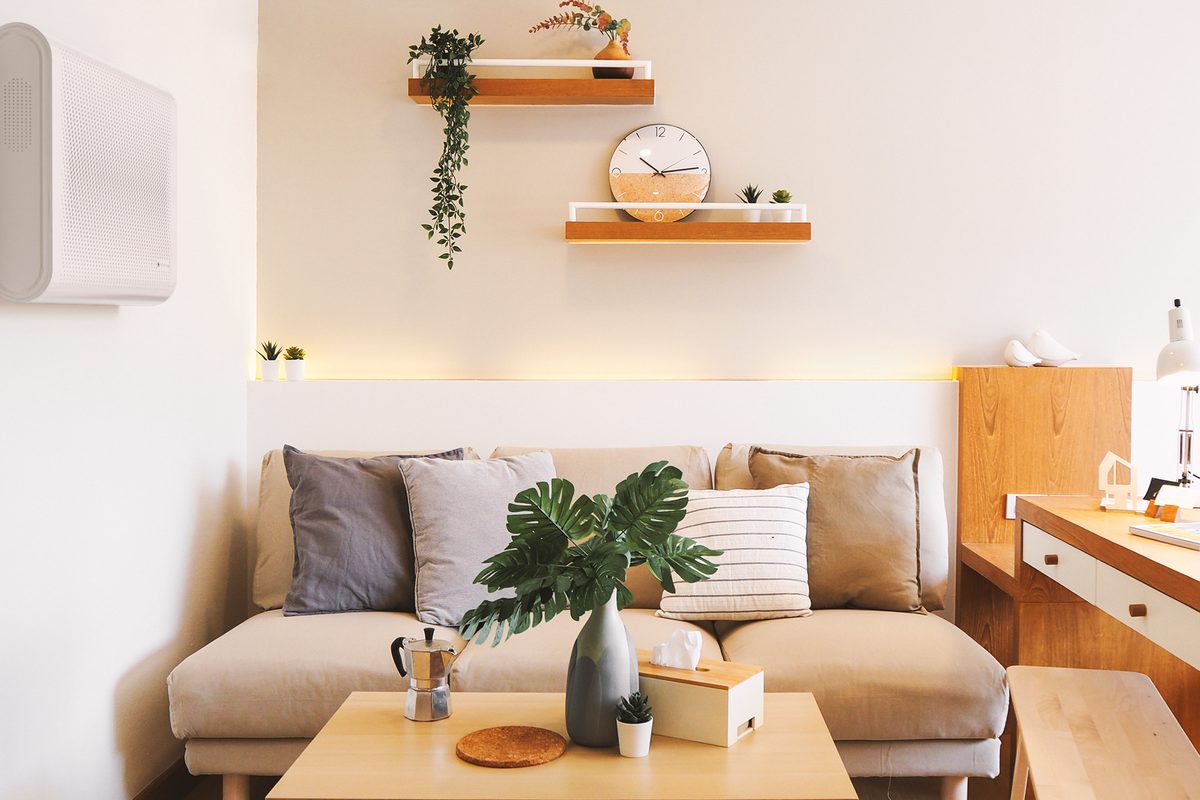
Winix 5500-2
True HEPA plus a washable carbon pre-filter at a mid-range price. The best value for light-to-moderate smoke.
Check Price on Amazon →Longest filter life: Austin Air HealthMate
The HealthMate uses a 15 lb carbon-and-zeolite filter that lasts up to five years. If you want to buy once and not think about filters, this is the unit — and the long filter life offsets the high purchase price.
Austin Air HealthMate
A 15 lb carbon and zeolite filter that lasts up to five years. The lowest long-term cost for heavy smoke.
Check Price on Amazon →Comparison table
| Model | Carbon | HEPA | Filter life | Best for |
|---|---|---|---|---|
| IQAir HealthPro Plus | Large + permanganate | Yes | 1–2 yrs | Best overall |
| Winix 5500-2 | Washable pre-filter | Yes | 1 yr | Value |
| Austin Air HealthMate | 15 lb | Yes | Up to 5 yrs | Long-term cost |
| Levoit Core 300-P | Thin pre-filter | Yes | 6–12 mo | Not recommended for smoke |
Making it work
A purifier is one part of the solution. Smoke settles on surfaces, and no filter removes what is already on the walls.
- Wash walls and fabrics. Smoke residue on walls, curtains and upholstery keeps releasing odour. Clean them, or the purifier fights a losing battle.
- Run the purifier continuously on medium, not intermittently on high. Smoke odour needs constant carbon contact.
- Replace carbon often. Carbon saturates and then stops working — and a saturated filter can release odour back into the room.
- Ventilate when you can. A purifier recirculates; an open window actually removes the smoke. In an apartment, do both.
Four smoke-purifier mistakes
- Buying HEPA only. HEPA removes the smoke particles but not the odour gases. Without substantial carbon, the smell stays.
- Trusting a thin carbon pre-filter. A 0.5 lb pre-filter is a token. For smoke you need 5–15 lb of carbon.
- Running it intermittently. Smoke odour needs constant carbon contact. Run the purifier continuously on medium, not occasionally on high.
- Ignoring the surfaces. Smoke residue on walls and fabrics keeps releasing odour. No filter removes what is already on the wall.
Why carbon saturates
Activated carbon works by adsorption — odour molecules stick to its enormous internal surface area. Once that surface is full, the carbon stops working, and a saturated filter can actually release odour back into the room.
| Carbon state | Effect |
|---|---|
| Fresh | Adsorbs odour and VOCs effectively |
| Partially saturated | Reduced effectiveness; odour returns slowly |
| Fully saturated | No effect, and may release odour back |
| Wet carbon | Adsorption drops sharply — keep it dry |
For smoke, replace carbon more often than the manufacturer suggests for normal use — typically every 6–12 months for a mid-range unit, or as soon as you notice the odour returning. High humidity also reduces carbon performance, which is another reason to control moisture in an apartment.
Why smoke is the hardest job
Cigarette smoke is a two-part problem, and most purifiers only solve one part.
| Component | Size | Removed by |
|---|---|---|
| Smoke particles | 0.1–1 micron | HEPA filter |
| Odour gases | Molecular | Activated carbon |
| Tar residue | Sticky film | Surfaces, not filters |
| VOCs | Molecular | Activated carbon |
A HEPA filter catches the particles, which is why a HEPA-only purifier clears the visible haze. But the smell is a gas, and gases pass straight through HEPA. Without substantial activated carbon, the odour stays.
How much carbon you need
Carbon is measured in pounds, and the difference between a token pre-filter and a real carbon bed is enormous.
| Carbon weight | Effectiveness on smoke |
|---|---|
| Under 1 lb | Minimal — a token pre-filter |
| 1–3 lb | Some odour reduction |
| 5–10 lb | Good odour control |
| 15 lb+ | Best for heavy smoke |
For a smoking household, look for 5 lb of carbon or more. A unit with a thin carbon pre-filter will clear the haze and leave the smell, which is the most common complaint about purifiers bought for smoke.
The honest answer
No purifier makes indoor smoking odour-free. Carbon saturates, and tar residue builds up on walls and fabrics, which keeps releasing odour. The realistic combination is a purifier with heavy carbon, run continuously, plus ventilation whenever possible. And in a rental, remember that most leases prohibit indoor smoking, and smoke residue is a common deposit deduction.
Frequently asked questions
What air purifier removes cigarette smoke?
Does HEPA remove cigarette smoke?
How much carbon do I need for smoke?
Will an air purifier get rid of the smoke smell in my apartment?
How often should I replace the carbon filter for smoke?
Related guides