On this page
The short answer
There is no single national rule that says every bathroom must have a powered exhaust fan. What exists instead is a patchwork: building codes that require adequate ventilation, local housing codes that turn that into a landlord obligation, and leases that add their own terms. In practice, a bathroom needs some form of ventilation, and a fan is one way to provide it — but an openable window can count in many jurisdictions.
So the honest answer to "are exhaust fans required?" is: ventilation is required, a fan specifically is not always. Whether your bathroom meets the rule depends on three things — the code in your area, whether you have a window that opens, and what your lease says.
What the building codes actually say
Two documents drive most of this. The International Residential Code (IRC) requires bathrooms to have either an openable window or mechanical exhaust. The ventilation standard ASHRAE 62.2 sets the airflow numbers: roughly 50 CFM for a standard bathroom and 100 CFM for a large one, either continuous or intermittent.
That is why a bathroom with a working window can legally have no fan. The code treats the window as the ventilation source. A bathroom with neither a window nor a fan fails the requirement, and that is where a landlord obligation usually kicks in.
| Bathroom type | Meets typical code? | What it needs |
|---|---|---|
| Window that opens, no fan | Usually yes | Keep the window open after showers |
| Fan, no window | Yes | Run the fan 20–30 min after showers |
| Window + fan | Yes | Best case — use both |
| No window, no fan | Usually no | Landlord must fix, or you add renter-safe ventilation |
| Ductless (recirculating) fan only | Often no | Filters air but does not exhaust moisture |
Does an openable window count?
In many jurisdictions, yes. A window that opens provides natural ventilation, and the code accepts it in place of a mechanical fan. The catch is that a window only works if you actually open it — and in winter, in the rain, or in a ground-floor flat where security is a concern, most people do not.
That gap between "legal" and "practical" is where renters get stuck. Your bathroom may technically comply because it has a window, while still growing mould because the window is never opened. In that case the fix is behavioural and mechanical: open the window when you can, and add a dehumidifier for the times you cannot.
What your lease adds
Your lease can go further than the code. Some leases explicitly list ventilation as a landlord responsibility, or promise a working exhaust fan. If yours does, that clause is the strongest lever you have — stronger than the code, because it is a contract term specific to your unit.
Read the lease for:
- Any mention of ventilation, exhaust, or fan in the maintenance or appliances section.
- The general repairs clause, which usually obliges the landlord to keep the property in working order.
- Any alterations clause, which tells you what you are and are not allowed to install yourself.
Who enforces it
Building codes are enforced at construction, not on an ongoing basis. Once a building is occupied, the enforcement route is usually the local housing or code enforcement office, which can inspect a rental and order repairs. Some cities have a dedicated rental inspection programme; others handle it through general code enforcement.
If you believe your bathroom fails the ventilation requirement, the sequence is: written request to the landlord, then a complaint to the housing authority if nothing happens. Keep every message and photo.
What to do if your bathroom fails the rule
- Confirm the facts. Does the bathroom have a window that opens? Does it have a fan, and does the fan actually move air?
- Check your local code. Your city or county housing authority website usually states the ventilation requirement in plain language.
- Read your lease for a ventilation or repairs clause.
- Write to the landlord with photos and a 14–30 day deadline.
- Escalate to the housing authority if the deadline passes.
Renter-safe fixes if the landlord won't act
You do not have to wait for a legal process to keep the room dry. Every option below is removable and deposit-safe.
| Fix | Moisture removed | Cost | Needs permission? |
|---|---|---|---|
| Portable dehumidifier | High | $60–$200 | No |
| Window fan | Medium | $20–$60 | No |
| Squeegee + towel dry | Medium | $5–$12 | No |
| Moisture absorber | Low–medium | $10–$25 | No |
| Ductless recirculating fan | Low | $40–$120 | Usually no |
Note the last row carefully. A ductless recirculating fan filters the air but does not exhaust moisture, so it does not satisfy a ventilation code that requires exhaust. It is a comfort device, not a compliance fix.
What to buy first
If your bathroom fails the ventilation rule and the landlord is slow to act, buy a dehumidifier. It is the only renter-friendly purchase that removes water from a sealed room, and it needs no permission.
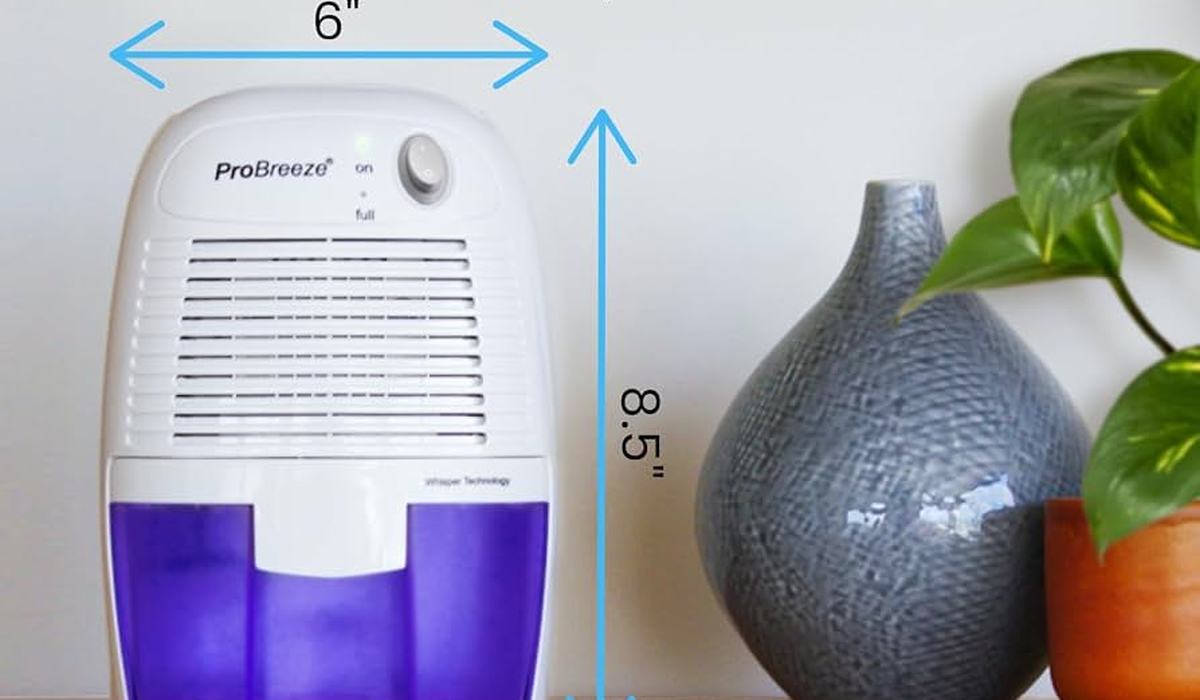
Dehumidifier for a Non-Compliant Bathroom
Removes moisture a ductless fan cannot. No installation, no permission needed.
Check Price on Amazon →Pair it with a squeegee and a moisture absorber, and you have a complete system for under $150 while the code question works its way through.
Frequently asked questions
Are exhaust fans legally required in bathrooms?
Does an openable window count as bathroom ventilation?
How much airflow does a bathroom fan need?
Who enforces bathroom ventilation rules in a rental?
Does a ductless fan satisfy the ventilation requirement?
Related guides
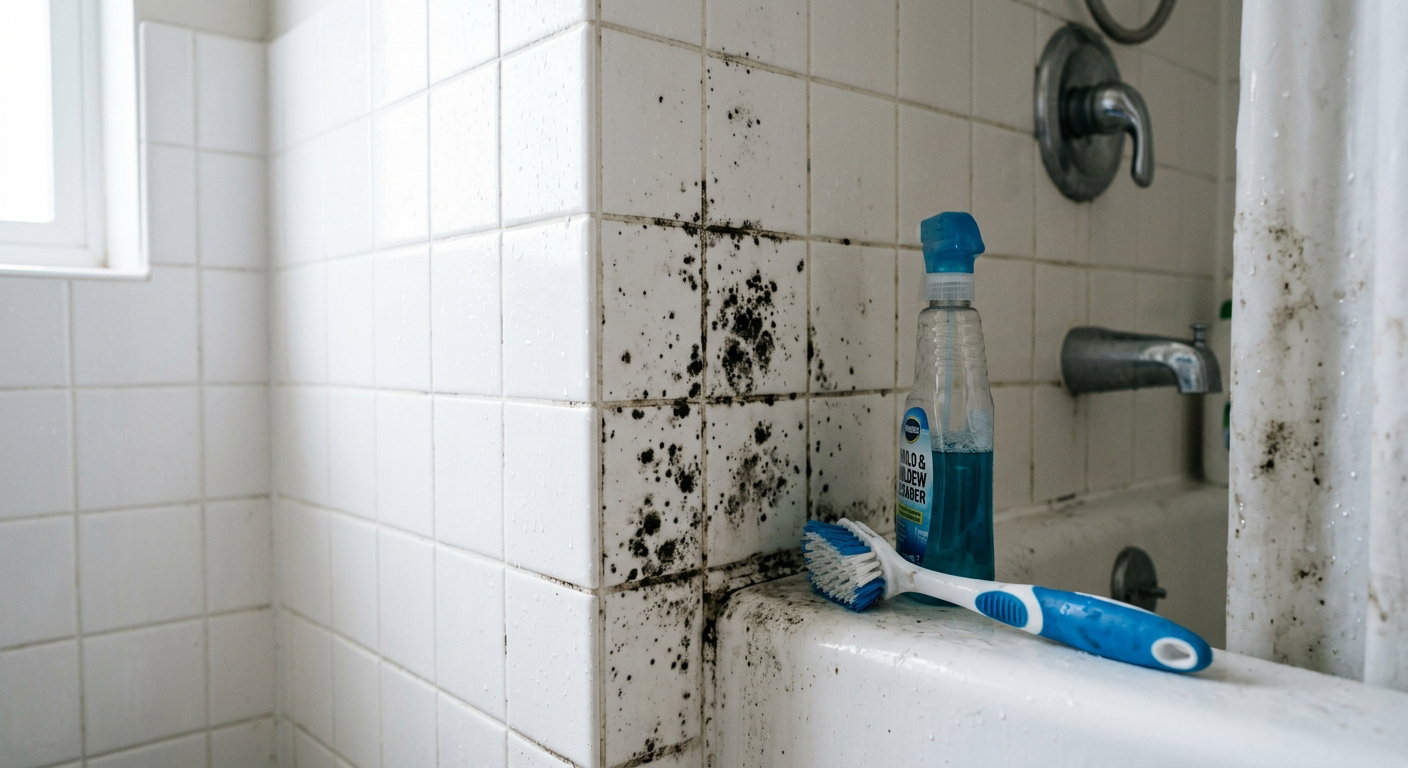
Landlord Won't Install a Bathroom Fan? What to Do
How to ask in writing, what the law requires, and renter-safe fixes.
No Exhaust Fan in Your Bathroom? What to Do
7 renter-friendly fixes and when to make your landlord act.
No Window in the Bathroom? How to Vent It
Renter-friendly ways to dry a sealed bathroom without drilling.