On this page
Why a bathroom needs ventilation
A shower dumps roughly half a litre of water into the air of a small bathroom. In a room with a working exhaust fan, that moisture is pulled outside in ten to fifteen minutes. In a bathroom with no fan and no openable window, it has nowhere to go. It condenses on the coldest surfaces first — the mirror, the window frame, the grout, the outside wall — and then it soaks into the plaster.
This is not a cosmetic problem. ASHRAE, the body that sets ventilation standards, recommends a bathroom be exhausted at roughly 50 CFM for a standard bathroom and 100 CFM for a large one. When that airflow does not exist, indoor relative humidity climbs past 60%, and above that threshold mould spores that are always present in the air finally have enough water to grow.
Renters hit this problem more than owners because the fix is usually structural — a duct, a hole in the roof, an electrician. You cannot do that in a flat you do not own. But you can still control the moisture, and that is what the rest of this guide is about.
What happens without one
The damage follows a predictable order, and it gets expensive fast.
- Weeks 1–4: the mirror fogs for longer, the room smells faintly damp, and the grout darkens.
- Months 1–3: black mould appears in the grout lines and along the silicone seal. Paint on the ceiling starts to blister.
- Months 3–12: mould spreads to the ceiling and the wall behind the shower. Paint peels. In severe cases the plasterboard softens.
- Ongoing: the damp smell migrates into the hallway and the bedroom, and the bathroom becomes a source of musty odour for the whole flat.
For a renter there is a second cost: the deposit. Landlords routinely deduct for mould remediation and repainting, and it is hard to argue the damage was not caused by moisture. Documenting that the bathroom had no ventilation when you moved in is the single most useful thing you can do.
7 renter-friendly options compared
Every option below can be installed and removed without damaging the property. They differ in how much moisture they remove, how much they cost, and how much noise they make.
| Option | Moisture removed | Cost | Noise | Best for |
|---|---|---|---|---|
| Portable dehumidifier | High | $60–$200 | Low–medium | Windowless bathrooms, year-round |
| Window or portable fan | Medium | $20–$60 | Medium | Bathrooms with any window |
| Moisture absorber (refillable) | Low–medium | $10–$25 | Silent | Closets, small bathrooms, backup |
| Squeegee + towel dry | Medium | $5–$12 | Silent | Every bathroom, every time |
| Ductless (recirculating) fan | Low | $40–$120 | Low | Where a duct is impossible |
| Leave the door open + fan the room | Low | $0 | Silent | Immediate, free stopgap |
| Ask the landlord to install a fan | High | $0 to you | — | When the lease or code requires it |
The honest ranking for a windowless bathroom is: dehumidifier first, then squeegee discipline, then a moisture absorber as backup. A fan only helps if it can push air somewhere — a fan in a sealed room just moves damp air around.
Which option fits your situation
Use this decision table rather than guessing.
| Your bathroom | Best first move | Add this |
|---|---|---|
| No window, no fan | Portable dehumidifier | Squeegee after every shower |
| Window, no fan | Window fan on exhaust | Dehumidifier in humid months |
| Small en-suite, no window | Moisture absorber + squeegee | Mini dehumidifier if it stays damp |
| Damp but not mouldy yet | Squeegee + door open | Moisture absorber |
| Already mouldy | Clean the mould, then dehumidify | Tell the landlord in writing |
What your landlord has to do
In most jurisdictions a landlord must provide adequate ventilation for a bathroom. That does not always mean a powered fan — a window that opens can satisfy the rule in some places — but a fully sealed bathroom with no fan is usually a defect the landlord is responsible for fixing.
What to do:
- Photograph the bathroom on the day you move in, including the ceiling and any existing mould.
- Report the lack of ventilation in writing (email, not a phone call) and keep a copy.
- Ask for a fan to be installed and give a reasonable deadline, typically 14–30 days.
- If nothing happens, check your local housing authority's rules on ventilation and repairs. Many allow you to escalate or, in serious cases, arrange a repair and deduct the cost.
The 60-second after-shower routine
This routine removes more moisture than any single gadget, and it costs nothing.
- Squeegee the walls and glass while the room is still steamy — water on the wall cannot evaporate into the air.
- Dry the floor with a dedicated bathroom towel or a mop.
- Close the shower curtain fully so it dries flat instead of trapping water in folds.
- Run the dehumidifier or fan for 20–30 minutes with the door closed.
- Then open the door and let the room equalise with the rest of the flat.
If you do only one thing, make it the squeegee. It removes the water before it ever becomes humidity.
Mistakes that make it worse
- Leaving the door open during the shower. This spreads moisture into the bedroom and hallway, where it is harder to remove.
- Hanging wet towels in the bathroom. A damp towel releases its water back into the air for hours. Dry towels elsewhere.
- Running a fan with no air path. A fan in a sealed room just stirs the damp air. Give it a window or a door gap to work with.
- Ignoring a slow drip. A leaking shower or tap keeps the room permanently humid. Fix the drip first.
- Painting over mould. It comes back through the paint within weeks. Clean it, dry the room, then repaint with mould-resistant paint.
What it costs to fix
A realistic budget for a renter with a windowless bathroom:
| Item | Typical cost | Lifespan |
|---|---|---|
| Portable dehumidifier (small) | $60–$120 | 3–5 years |
| Refillable moisture absorber | $10–$25 | Refills every 1–2 months |
| Squeegee | $5–$12 | Years |
| Window fan | $20–$60 | 2–4 years |
| Mould remover spray | $8–$15 | As needed |
Under $150 covers a windowless bathroom properly. That is less than a typical mould-remediation deduction from a deposit, which is the real argument for spending it now.
What to buy first
If you only buy one thing for a bathroom with no exhaust fan, buy a dehumidifier. It is the only renter-friendly purchase that removes water from a sealed room, and it costs less than a single mould-remediation deduction from a deposit.
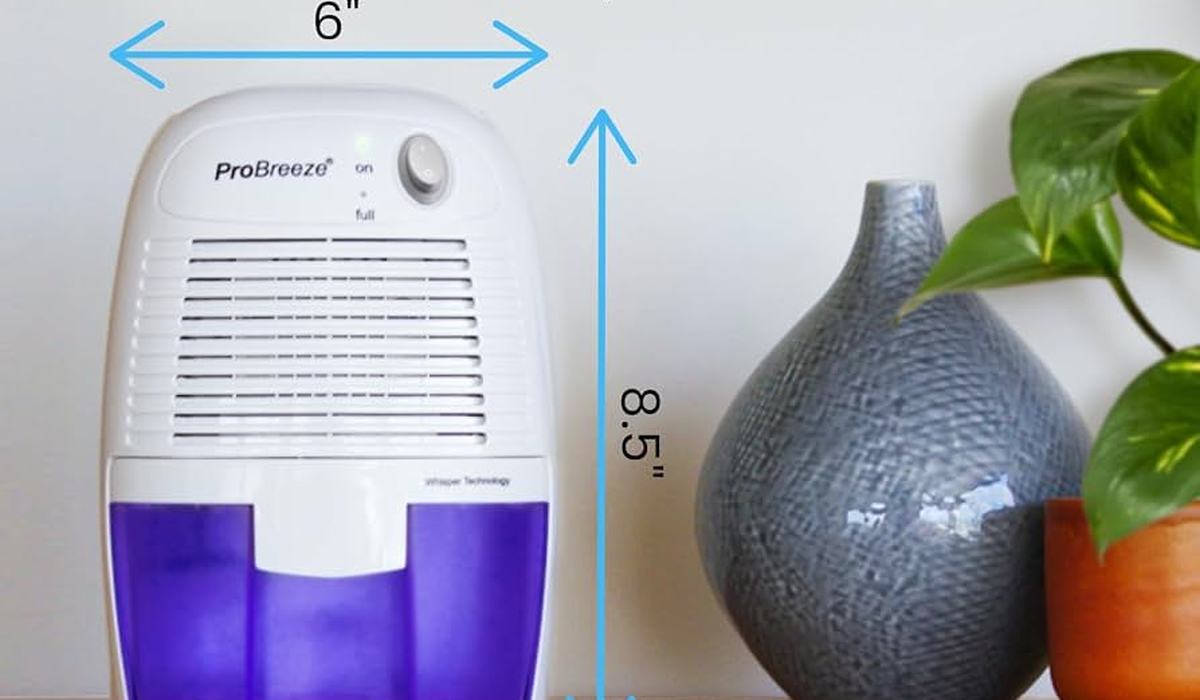
Dehumidifier for a Fanless Bathroom
Removes the moisture a fan cannot. Compact, quiet, and no installation required.
Check Price on Amazon →Pair it with a squeegee and a refillable moisture absorber, and you have a complete system for under $150. Run the dehumidifier for 30 minutes after every shower with the door closed, and the room will stay dry without a fan or a window.
Frequently asked questions
Is it illegal to have no exhaust fan in a bathroom?
Can I just leave the bathroom door open instead?
Will a small fan in the doorway work?
How long should I run a dehumidifier after a shower?
Does a moisture absorber really work?
Related guides
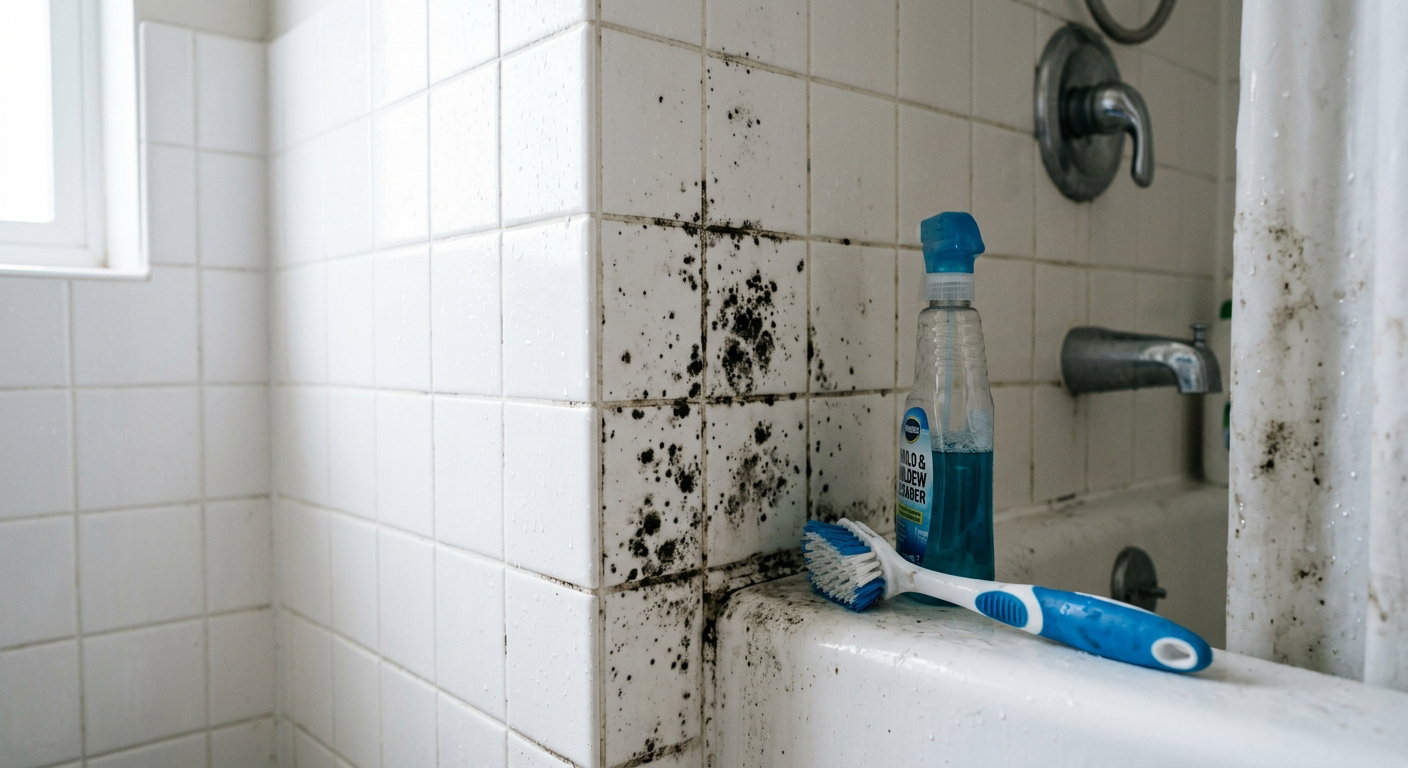
No Exhaust Fan in Your Rental Bathroom? What to Do
Your rights, what to ask the landlord, and the fixes you can make today.
Dehumidifier for a Bathroom Without a Vent
Which dehumidifiers actually dry a sealed bathroom, and how to size one.
How to Get Rid of Musty Smell in an Apartment
Find the source, kill the smell, and stop it coming back.