On this page
Why landlords say no (and what changes their mind)
When a landlord refuses to install a bathroom fan, the reason is almost always cost and disruption, not malice. A proper ducted fan means an electrician, a hole through an external wall or the roof, and a day of work. In a building where the bathroom sits in the middle of the flat with no external wall nearby, the job can run into four figures.
What changes a landlord's mind is not a complaint about comfort. It is a complaint about damage to their asset. Mould in a bathroom spreads into the ceiling, the plasterboard and the wall behind the shower, and remediation costs far more than a fan. When you frame the request as protecting the property rather than as a personal inconvenience, the conversation shifts.
Three things move a landlord fastest:
- Photographic evidence of mould or peeling paint, dated.
- A written request that creates a record, in case the issue escalates.
- A reference to the local housing code, which puts the obligation on them rather than on your goodwill.
What the law usually requires
In most jurisdictions a landlord must provide adequate ventilation for a bathroom. The detail matters: in many places a window that opens can satisfy the rule, which means a bathroom with a working window may not legally require a fan at all. A fully sealed bathroom with no window and no fan is a different story — that is usually a defect the landlord is responsible for fixing.
Building codes such as the International Residential Code and ventilation standards such as ASHRAE 62.2 treat bathrooms as high-moisture spaces that need exhaust of roughly 50 CFM for a standard bathroom. Local housing codes then translate that into a landlord obligation. The exact wording varies by city and state, so check your local housing authority's rules before you quote anything.
How to ask in writing (template)
Send this by email so there is a dated record. Keep it factual and unemotional.
Hi [name],
I am writing to report that the bathroom in my unit has no working exhaust fan and no openable window. After showers the room stays damp for hours, and I have noticed [mould in the grout / peeling paint on the ceiling / a persistent damp smell].
Adequate bathroom ventilation is a landlord responsibility under [local housing code / the lease clause on page X]. Could you arrange for a fan to be installed, or let me know how you would like to proceed? I would appreciate a response within 14 days.
I have attached dated photos. I am happy to provide access at any time.
Thanks,
[your name]
Attach photos. Keep a copy of the email and note the date you sent it. If the landlord replies by phone, follow up with an email summarising what was said — "just to confirm what we discussed…".
The escalation ladder if they refuse
Escalate in order. Each step creates a record that makes the next one easier.
- Written request with a 14–30 day deadline.
- Follow-up email if the deadline passes, referencing the first request.
- Local housing authority — many cities have a rental inspection or code enforcement office that will inspect and order repairs.
- Tenants' rights organisation for advice specific to your jurisdiction.
- Repair-and-deduct — only where local law allows it, and only with advice in writing first.
Renter-safe fixes while you wait
You do not have to live with a damp bathroom while the request works its way through. Every option below is removable and deposit-safe.
| Fix | Moisture removed | Cost | Deposit risk |
|---|---|---|---|
| Portable dehumidifier | High | $60–$200 | None |
| Squeegee + towel dry | Medium | $5–$12 | None |
| Window fan (if you have a window) | Medium | $20–$60 | None |
| Moisture absorber | Low–medium | $10–$25 | None |
| Ductless recirculating fan | Low | $40–$120 | Low (removable) |
| DIY wiring a fan yourself | — | — | High — do not |
What NOT to do
- Do not wire a fan yourself. Modifying the electrical system in a rental is a lease breach and a fire risk, and it can void your deposit protection.
- Do not drill through an external wall. That is a structural change, not a repair, and it is the landlord's call.
- Do not withhold rent without written advice from a tenants' rights organisation.
- Do not paint over mould. It comes back through the paint within weeks and looks like you tried to hide the problem.
- Do not let the request go verbal. A phone call leaves no record. Always follow up in writing.
Fix it yourself vs push the landlord
Here is the honest trade-off. Pushing the landlord costs nothing but time and may take weeks. Fixing it yourself with renter-safe tools costs under $150 and works today.
| Approach | Cost | Time to result | Deposit risk |
|---|---|---|---|
| Written request + wait | $0 | 2–8 weeks | None |
| Dehumidifier + squeegee now | $70–$150 | Same day | None |
| Escalate to housing authority | $0 | Weeks to months | None |
| DIY fan installation | $40–$120 | Same day | High |
The sensible play is both: send the written request today, and buy a dehumidifier so the room stays dry while you wait. That way the mould does not get a head start, and you have a record if the problem recurs.
What to buy first
If you only buy one thing while the landlord deliberates, buy a dehumidifier. It removes water from a sealed room, needs no installation, and moves with you when the lease ends.
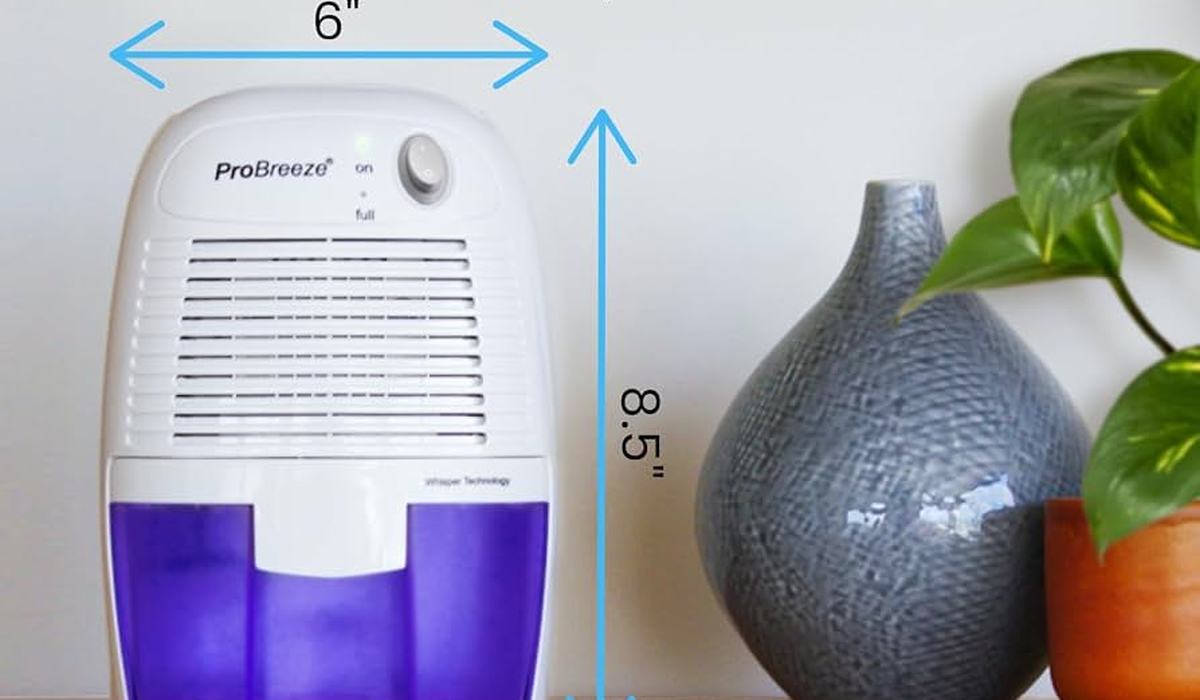
Dehumidifier for a Rental Bathroom
No installation, no drilling, no landlord permission. Just plug it in and dry the room.
Check Price on Amazon →Pair it with a squeegee and a refillable moisture absorber, and you have a complete system for under $150 — less than a typical mould-remediation deduction from a deposit.
Frequently asked questions
Can my landlord refuse to install a bathroom fan?
How do I force my landlord to fix ventilation?
Can I install a bathroom fan myself in a rental?
What can I do right now about a damp bathroom?
Is it worth buying a dehumidifier if the landlord might fix it?
Related guides
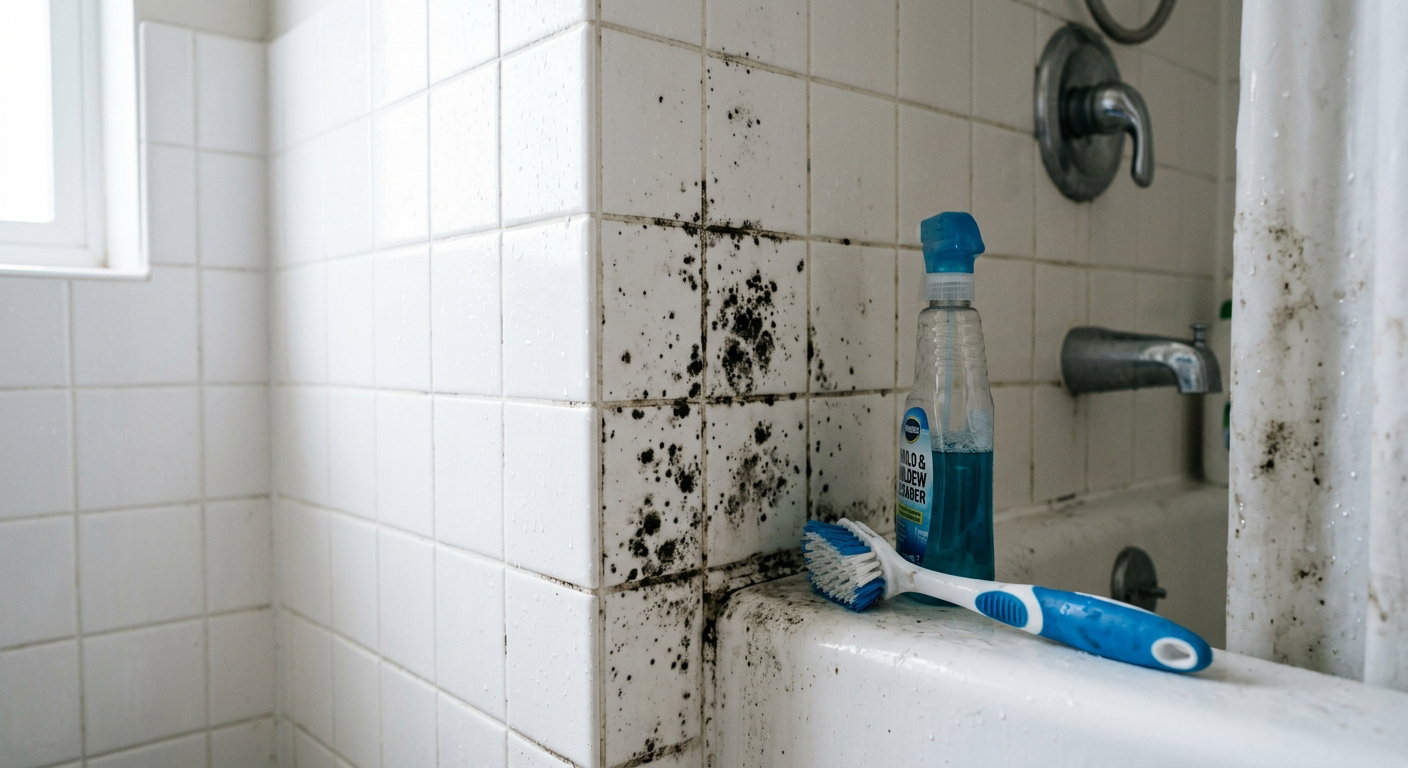
No Exhaust Fan in Your Rental Bathroom? What to Do
Your rights, what to ask the landlord, and the fixes you can make today.
Are Exhaust Fans Required in Bathrooms?
What the codes say, whether a window counts, and who enforces it.
No Window in the Bathroom? How to Vent It
Renter-friendly ways to dry a sealed bathroom without drilling.