On this page
Why you might not want a hose
A drain hose is convenient — it lets a dehumidifier run for days without attention. But in a rental apartment it is often impractical. You cannot drill a hole in the floor, the bathroom has no floor drain, and a hose trailing across the room is a trip hazard.
For those situations, a tank-only unit is the right choice. It needs emptying, but it needs no plumbing and no permanent changes.
Features that matter without a hose
- Auto shut-off when the tank fills — without it, the unit overflows onto the floor.
- Lift-out tank with a handle — easier to carry to the sink without spilling.
- Clear full-tank indicator — so you know before it stops.
- Reasonable tank size — 1–2 litres is the sweet spot: big enough to matter, light enough to carry.
- Humidity target setting — stops it running when the room is already dry.
Picks by tank size
| Tank size | Best for | Emptying frequency | Price |
|---|---|---|---|
| 0.5–1 L | Small en-suite, closet | After each use | $40–$80 |
| 1–2 L | Standard bathroom | Every 1–2 days | $60–$130 |
| 2–4 L | Large bathroom, bedroom | Every 2–3 days | $120–$220 |
| 4 L+ | Whole flat, heavy use | Weekly | $180–$300 |
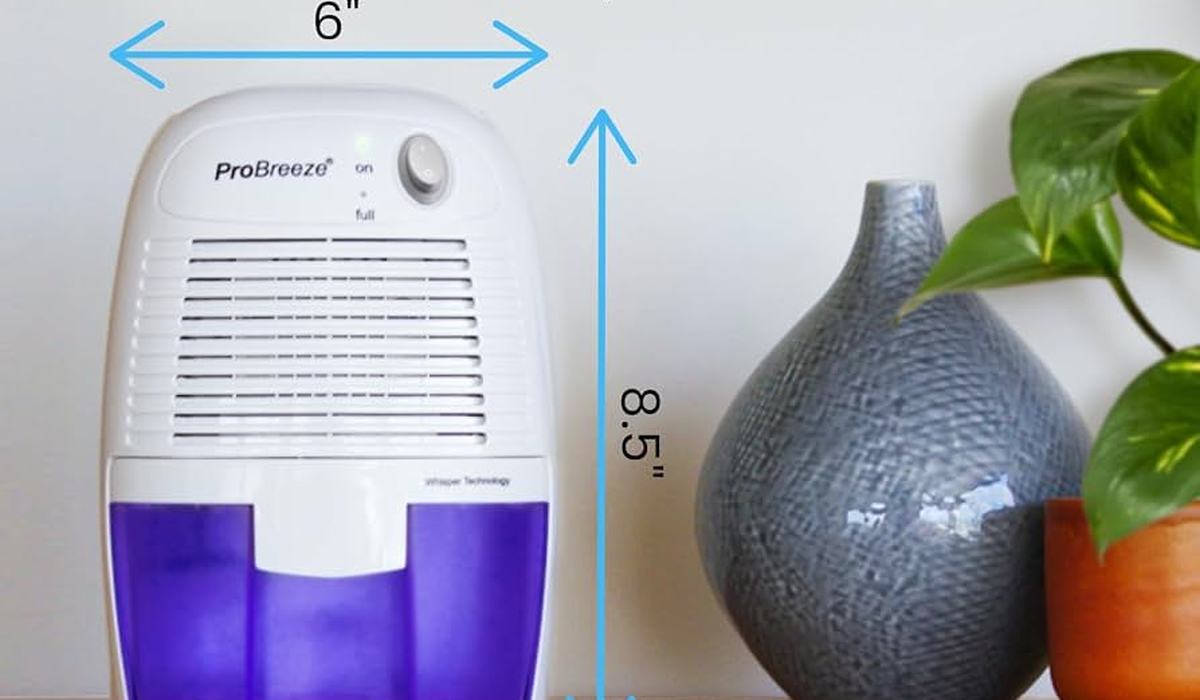
Dehumidifier With Lift-Out Tank
No hose needed. A 1–2 litre tank with a handle, auto shut-off, and a clear full-tank indicator.
Check Price on Amazon →How often to empty
In a bathroom, expect to empty a 1–2 litre tank every one to two days with normal use. In a bedroom or living room, less often. The key is to empty it before it fills, so the unit never stops working mid-cycle.
If you find yourself emptying it more than once a day, the room has a bigger moisture problem than the unit can handle — look for a leak, or size up.
Tips for hose-free use
- Empty after every use in a bathroom, so it is ready for the next shower.
- Pour the water down a sink or toilet, not a plant — it is distilled and nutrient-free.
- Rinse the tank monthly to stop biofilm forming.
- Keep a spare tank if your model offers one, so you can swap instead of waiting.
- Set a phone reminder if you tend to forget — a full tank means no drying.
A tank-only dehumidifier is not a compromise. For a rental apartment, it is often the better choice: no plumbing, no permanent changes, and it moves with you when you leave.
How to check a tank-only unit is working
| Signal | Good | Problem |
|---|---|---|
| Water per run | 200–500 ml | Under 100 ml |
| Auto shut-off | Triggers when full | Overflows — faulty sensor |
| Humidity after 30 min | Under 60% | Above 65% |
| Tank seal | No drips | Water on the floor |
Running cost
A 20–30 pint unit costs roughly $0.03–$0.06 per hour. Because you empty the tank manually, you tend to run it in shorter bursts, which keeps the cost low.
Maintenance
- Rinse the tank after every empty — standing water grows biofilm fast.
- Deep clean the tank monthly with warm soapy water.
- Clean the pre-filter monthly.
- Check the tank seal for cracks that could leak.
- Store upright with the tank empty.
When a hose is worth adding
If you later move somewhere with a floor drain or a sink nearby, a hose turns a tank-only unit into an unattended one. Most units include a hose port even if you never use it. It is worth checking before you buy, in case your situation changes.
Sizing a tank-only unit
| Room | Capacity | Tank size to look for |
|---|---|---|
| Bathroom, under 80 sq ft | 20–30 pints | 1.5–2.5 L |
| Bedroom, 100–150 sq ft | 20–30 pints | 2–3 L |
| Small apartment, 300–500 sq ft | 30–50 pints | 3–6 L |
A bigger tank means fewer empties. In a damp bathroom, a 2-litre tank fills in a day or two, so a 3-litre tank is worth the extra cost.
Features that matter for a tank-only unit
- Auto shut-off — without it, a full tank overflows onto the floor.
- Water-level window — so you can see when to empty it.
- Wide tank opening — so you can actually clean it.
- Carry handle — you will move it between rooms.
- Humidity target — set 50% and let it cycle.
The verdict
If you have no drain nearby, buy a 20–30 pint unit with a 2–3 litre tank, auto shut-off and a wide tank opening. Empty and rinse it after every use, and it will last for years without smelling.
The tank routine
- Empty the tank after every use — standing water grows biofilm fast.
- Rinse it with warm water and a drop of soap.
- Dry it upside down so no water sits in the corners.
- Deep clean monthly with warm soapy water and a soft brush.
- Check the seal for cracks that could leak onto the floor.
- Store upright with the tank empty.
Common mistakes
- Leaving water in the tank. It smells within days.
- Buying a unit with a narrow tank opening. You will not clean it properly.
- Skipping auto shut-off. A full tank overflows onto the floor.
- Ignoring the pre-filter. A clogged filter is the top cause of poor performance.
- Running it on an uneven surface. The tank sensor may not trigger.
The verdict
If you have no drain nearby, buy a 20–30 pint unit with a 2–3 litre tank, auto shut-off and a wide tank opening. Empty and rinse it after every use, and it will last for years without smelling.
Two questions worth answering
"Is a tank-only unit worse than one with a hose?" No — it is just more work. A hose lets you run the unit unattended; a tank means you empty it. In a bathroom or bedroom, a tank is usually fine because you are there anyway.
"Can I add a hose later?" Often yes. Most units include a drain port even if they ship with a tank. Check the manual before you buy, in case your situation changes.
The one-line summary
If you have no drain nearby, buy a 20–30 pint unit with a 2–3 litre tank, auto shut-off and a wide tank opening. Empty and rinse it after every use, and it will last for years without smelling.
Frequently asked questions
Do all dehumidifiers need a drain hose?
What happens if I do not use a drain hose?
How often do I need to empty a dehumidifier tank?
Can I use a dehumidifier without a drain hose in a rental?
What size tank should I get?
Related guides