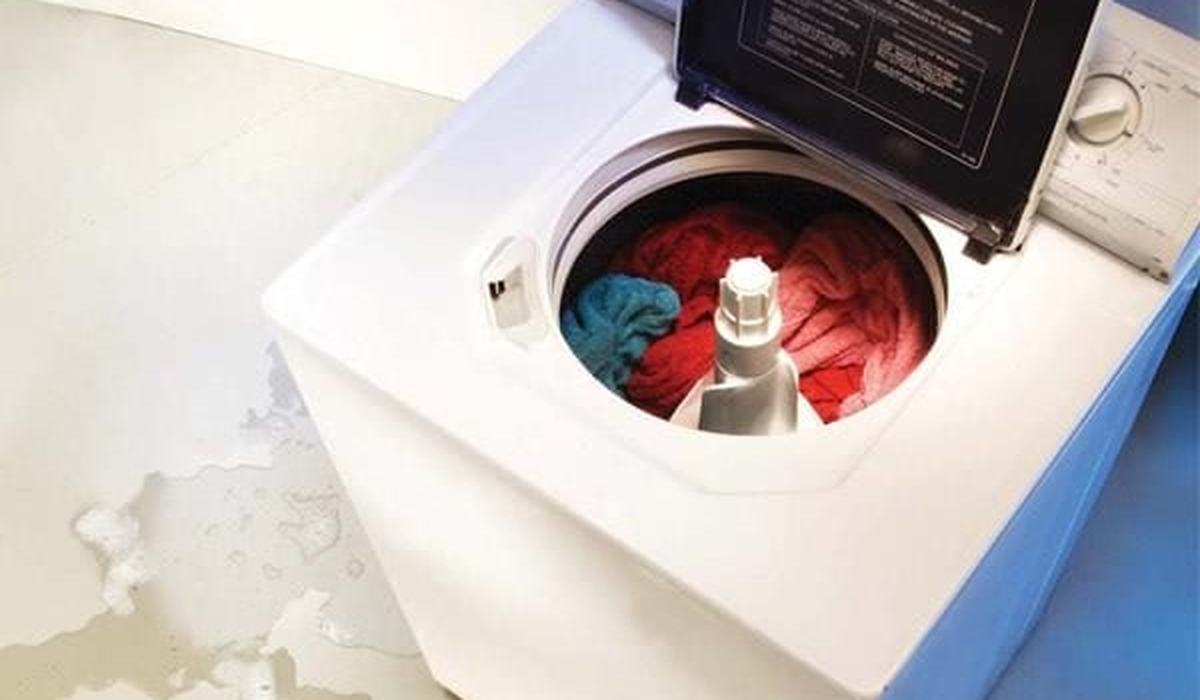
A laundry room is the wettest room in most apartments after the bathroom, and unlike a bathroom it has no vent fan by law in many buildings.
The moisture load is easy to understate. A single washed load of laundry holds several pints of water, and all of it goes into the air if you dry indoors.
On this page
How much water laundry adds
A load of laundry straight from the washer holds roughly 2 to 4 pints of water that has not been spun out, plus the water in the fabric that evaporates as it dries. Dry that load indoors and most of it ends up in the room's air.
| Activity | Water released into the air | Notes |
|---|---|---|
| One load, dryer-vented indoors | 2–4 pints | The vent hose leaks some into the room |
| One load, air-dried indoors | 4–8 pints | All of it, over several hours |
| One load, condensing dryer | 4–8 pints | Water goes to a tank, but some escapes |
| A hot shower, by comparison | 1–2 pints | For scale |
| Boiling pasta for 20 min | About 1 pint | For scale |
Three loads a week, air-dried, is 12 to 24 pints a week going into the room. That is the equivalent of running a small humidifier in the laundry twice a week.
The EPA guidance to keep indoor humidity below 50% is the target to aim at, and an Energy Star dehumidifier rating tells you how much electricity it takes to get there.
Vented vs ventless dryer
A dryer is the biggest single source of moisture in a laundry room, and how it is vented decides how much reaches the room.
- Vented to outdoors. The standard setup. The dryer pushes hot, wet air outside. Some leaks into the room at the connection, but most goes out.
- Ventless condensing. No outdoor vent needed. The dryer condenses the water into a tank or a drain. Some moisture still reaches the room, and the room gets noticeably warmer.
- Ventless with a tank. Common in apartments with no external wall. You empty the tank each load, and the room still gains humidity.
- Venting indoors to save heat. A bad idea in an apartment. It puts every pint of water into the room and can push humidity past 70%.
Sizing the dehumidifier
| Laundry setup | Room size | Recommended pints |
|---|---|---|
| Vented dryer, outdoors | Up to 100 sq ft | 25–30 |
| Ventless condensing dryer | Up to 100 sq ft | 30–35 |
| Air-drying on a rack | Up to 100 sq ft | 35–45 |
| Air-drying plus ventless dryer | Up to 150 sq ft | 45–50 |
| Shared laundry room | 150+ sq ft | 50+ or one unit per zone |
The figures assume the laundry is a separate room. If your washing machine is in a kitchen or a bathroom, add this loading to that room's requirement — a combined kitchen-laundry needs the larger of the two numbers, not the sum, because the unit runs in a shared air volume.
Placement and timing
Placement in a laundry room has one rule: do not put the dehumidifier in the dryer's exhaust path.
- Opposite side of the room from the dryer vent, if the exhaust leaks indoors.
- Not behind the washer or dryer. You will never clean the filter.
- On a level surface with airflow around it — at least a foot of clearance on the intake side.
- Near a drain. The laundry is the one room where a gravity drain to a utility sink or a washer drain pan is usually easy.
- Run during the load and for two hours after. That is when the humidity peaks.
| Timing | Why |
|---|---|
| During the wash cycle | Pre-empts the humidity spike |
| During drying | Captures the largest release |
| 2 hours after drying | Clears the residual humidity |
| Continuous with a humidistat | Hands-off, but check the duty cycle for cost |
Drying clothes indoors
Air-drying indoors is common in apartments, and it is the largest single moisture source in most homes that do it. A few habits keep it manageable.
- Spread, do not pile. Items spaced apart release water faster than a heap, so the room is wet for less time.
- Use a rack near the dehumidifier, not in a closed bedroom.
- Run the dehumidifier alongside, and empty or drain it before you start.
- Close the room off from the rest of the apartment while drying, so the moisture does not spread.
- Never dry in a bedroom you sleep in. Overnight exposure to high humidity is what makes bedding and mattresses musty.
Maintenance that matters
A laundry-room dehumidifier works harder than one anywhere else in the apartment, so the maintenance interval shortens.
- Filter monthly, not quarterly. Lint is the enemy of airflow and a laundry room has more of it than any other room.
- Flush the drain hose monthly. A laundry drain line collects biofilm faster because of the soap residue in the air.
- Wipe the coils twice a year, and check them more often if you dry clothes indoors.
- Check the drum of the washer for a musty smell — a washing machine with a dirty seal is a moisture source in its own right.
The apartment angle
Laundry is the classic apartment moisture trap: no outdoor vent, a shared wall, and a lease that forbids modifications.
- You cannot add an outdoor vent. A ventless condensing dryer or a dehumidifier are the only legal options. Cutting a hole in the wall is not.
- Drain to the washer drain pan. The easiest gravity drain in the apartment, and it is already designed to take water.
- Keep the door closed while running. You are drying one room, not the apartment, and it keeps the noise contained.
- Watch the shared-wall noise. A laundry dehumidifier next to a neighbour's bedroom is worth putting on a foam pad.
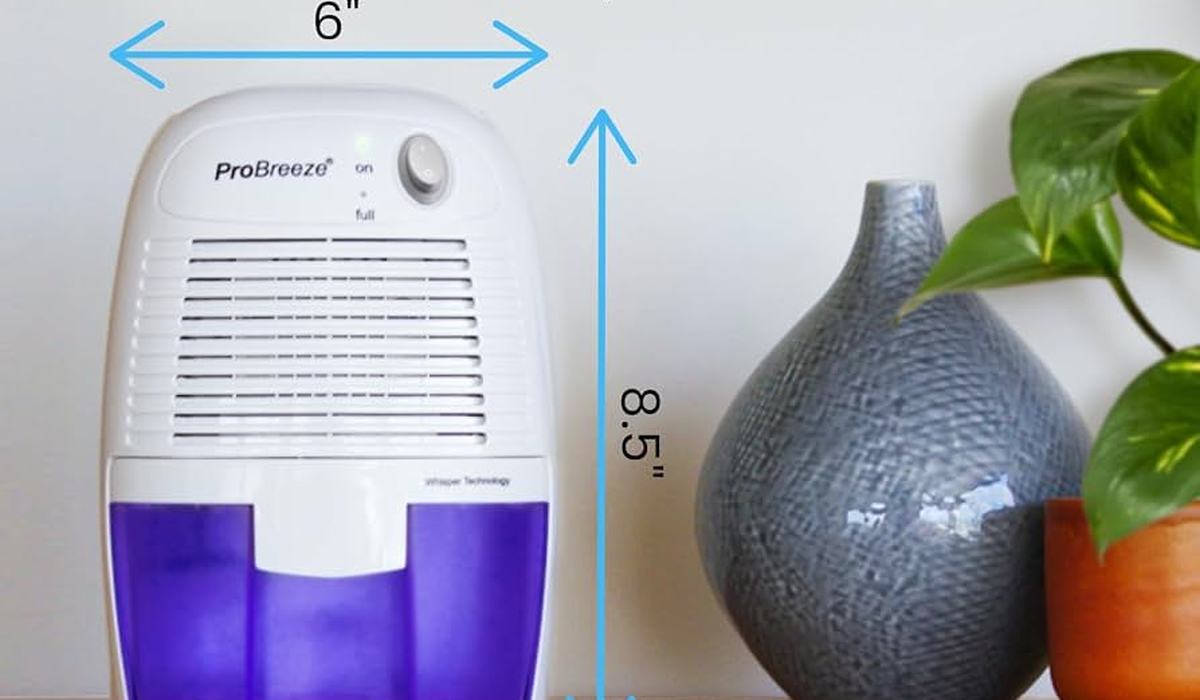
Dehumidifier, 30–35 Pint With Drain Outlet
Enough capacity for a ventless dryer or indoor drying, with a drain outlet so you are not emptying a tank after every load.
Check Price on Amazon →Frequently asked questions
Do I need a dehumidifier in a laundry room?
What size dehumidifier for a laundry room?
Can a dehumidifier dry clothes?
Should I run a dehumidifier while doing laundry?
Why does my laundry room smell musty?
Related guides