On this page
The direct answer
No. A dehumidifier does not get rid of pet smells. It removes water from the air, and pet odor is a chemical problem, not a water problem. If you buy a dehumidifier expecting it to fix a dog-smelling room, you will be disappointed.
But that is not the end of the story, because humidity and odor are linked. A dehumidifier makes every other odor-removal method work better, and in a damp apartment that difference is significant.
What a dehumidifier does do
- Slows bacterial growth. The bacteria that break down pet residue thrive in damp conditions. Drier air means less odor production.
- Releases odor from fabrics. Odor molecules bind more tightly to damp fabric. Dry air lets them go, so they can be filtered or ventilated away.
- Prevents the musty layer. A damp room adds a musty smell on top of the pet smell, which makes the whole room worse.
- Protects the carpet. Damp carpet holds odor and grows mould. Dry carpet is easier to clean.
What it does not do
- Neutralise odor molecules. It has no carbon filter and no chemistry to break them down.
- Remove the source. Urine in carpet underlay stays there regardless of humidity.
- Filter the air. A dehumidifier moves air over cold coils, not through a carbon bed.
- Replace cleaning. No appliance removes a smell that is still being produced.
The combination that works
| Step | What it does | Tool |
|---|---|---|
| 1. Find the source | Locates urine and residue | UV/blacklight torch |
| 2. Treat the source | Breaks down odor compounds | Enzyme cleaner |
| 3. Wash fabrics | Removes odor held in textiles | Washing machine |
| 4. Filter the air | Removes airborne odor and dander | HEPA + carbon purifier |
| 5. Control humidity | Stops damp locking smell in | Dehumidifier |
Notice where the dehumidifier sits: step five. It is the last piece, not the first. Do steps one to four and the dehumidifier keeps the result from degrading.
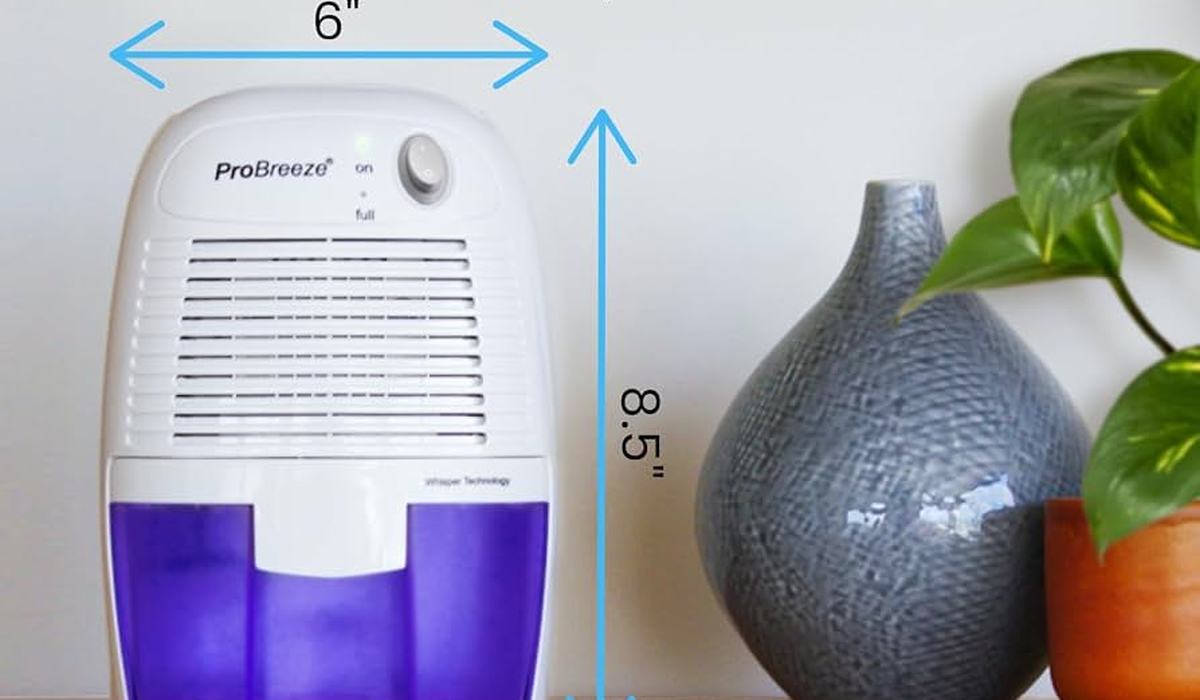
Dehumidifier for Pet Apartments
Keeps humidity at 40–50% so odor does not cling to fabrics. Auto shut-off and a lift-out tank.
Check Price on Amazon →The humidity target
Keep the room at 40–50% relative humidity. Below 60% the bacteria that produce pet odor slow down, and odor molecules release from fabrics more readily. Above 60%, the smell intensifies and the room starts to feel musty on top of the pet smell.
A $10 hygrometer tells you where you are. If you are above 60%, a dehumidifier is worth adding — not to remove the smell, but to stop the conditions that make it worse.
How to test whether the smell is gone
- Leave for an hour and come back in — the first breath is the honest one.
- Rub a white cloth on the carpet and smell it.
- Use a UV torch in a dark room to find missed urine spots.
- Ask a visitor — they notice what you have adapted to.
The humidity target
| Humidity | Effect on pet odor | Action |
|---|---|---|
| 40–50% | Ideal — odor stays low | Target this |
| 50–60% | Odor begins to cling | Dehumidify |
| Over 60% | Bacteria active, odor strong | Dehumidify continuously |
The weekly routine
- Vacuum carpets and upholstery, including under furniture.
- Wash pet bedding and throws on hot.
- Check with a UV torch for new spots.
- Treat spots with enzyme cleaner.
- Replace the purifier's carbon filter on schedule.
- Ventilate daily with 10 minutes of cross-flow.
What the full setup costs
| Item | Cost | Role |
|---|---|---|
| Enzyme cleaner | $10–$25 | Removes the source |
| UV torch | $10–$20 | Finds the source |
| HEPA + carbon purifier | $150–$350 | Removes airborne odor |
| Dehumidifier | $60–$200 | Stops damp locking smell in |
The dehumidifier is the smallest part of the spend and the least important on its own. Buy the enzyme cleaner and the carbon purifier first.
Why humidity makes pet odour worse
Pet odour comes from bacteria breaking down organic matter in urine, saliva and skin oils. Those bacteria are more active in damp air, and damp fabrics hold odour molecules instead of releasing them. Bring humidity down to 40–50% and the same smell becomes weaker without any cleaning.
Placement in a pet apartment
- Near the pet's bed — where odour concentrates.
- Central to the main room so it serves the whole space.
- Clear of walls by 10–15 cm.
- On a level surface so the tank sensor works.
- Away from the litter tray.
Features worth paying for
- Humidity target — set 45–50% and let it cycle.
- Washable pre-filter — pet hair clogs filters fast.
- Auto shut-off — protects the floor.
- Quiet operation — under 45 dB.
- Continuous drain port — useful for daily use.
The verdict
A dehumidifier reduces pet smell but does not remove it. It stops damp locking odour into fabrics, which makes every other fix work better. Buy the enzyme cleaner and the carbon purifier first, then add the dehumidifier as the supporting layer.
The weekly pet-odour routine
- Vacuum carpets and upholstery, including under furniture.
- Wash pet bedding and throws on hot.
- Check with a UV torch for new spots.
- Treat spots with enzyme cleaner.
- Replace the purifier's carbon filter on schedule.
- Ventilate daily with 10 minutes of cross-flow.
Common mistakes
- Buying a dehumidifier first. It is the supporting layer, not the lead.
- Using a scented cleaner. It masks the smell; enzyme cleaner removes it.
- Skipping the UV torch. You cannot treat spots you have not found.
- Letting the carbon filter age. Saturated carbon stops working entirely.
- Ignoring humidity. Damp air makes the same smell much stronger.
The verdict
A dehumidifier reduces pet smell but does not remove it. It stops damp locking odour into fabrics, which makes every other fix work better. Buy the enzyme cleaner and the carbon purifier first, then add the dehumidifier as the supporting layer.
The one-line summary
A dehumidifier reduces pet smell but does not remove it. It stops damp locking odour into fabrics, which makes every other fix work better. Buy the enzyme cleaner and the carbon purifier first, then add the dehumidifier as the supporting layer.
Frequently asked questions
Does a dehumidifier get rid of pet smells?
What removes pet smell from a room?
Will a dehumidifier help with dog smell at all?
What humidity should I keep with pets?
Do I need both a dehumidifier and an air purifier for pets?
Related guides
Do Dehumidifiers Remove Pet Odor? What Actually Works
The full system for removing pet odor.
Will an Air Purifier Help With Dog Smell? Honest Answer
What a purifier can and cannot do about dog odor.