On this page
- Why cleaning matters
- Vinegar vs citric acid vs descaler
- Method 1: vinegar
- Method 2: citric acid
- Carafe, basket and exterior
- How often to descale
- FAQ
- Five mistakes that shorten a coffee maker's life
- If your water is hard, do this instead
- What you actually need
- The 60-second daily routine
- When to stop and replace instead
Why cleaning matters
Coffee is 98% water, and every drop leaves minerals behind. In a hard-water apartment those minerals — mostly calcium carbonate — bake onto the heating element and the internal tubing as scale. Scale insulates the element, so the machine has to run hotter and longer to brew the same cup.
The result is a chain reaction you can taste before you can see it: the brew gets bitter, the machine takes longer to finish a pot, the warming plate runs hotter, and eventually the pump or the element fails. A $6 bottle of descaler every few months is the cheapest insurance a coffee maker has.
There is also a hygiene side. The carafe, the filter basket and the water reservoir all grow biofilm if they are only ever rinsed. That film is what gives a neglected machine its sour, musty smell — and it is not something a rinse removes.
Vinegar vs citric acid vs commercial descaler
All three work. They differ in strength, smell, and how safe they are for the metals inside your machine.
| Method | Strength | Smell | Safe for aluminium? | Best for |
|---|---|---|---|---|
| White vinegar (5%) | Mild | Strong, lingers | Yes | Light scale, monthly upkeep |
| Citric acid powder | Strong | None | Yes | Heavy scale, hard water |
| Commercial descaler | Strong | Mild | Check label | Sealed machines, warranty |
| Baking soda | Very mild | None | Yes | Odour only, not scale |
Method 1: the vinegar cycle
This is the method to use when you want to clean today with what is already in the cupboard.
- Fill the reservoir with a 1:1 mix of white vinegar and cold water.
- Put the empty carafe on the warming plate and start a normal brew cycle.
- When it finishes, switch the machine off and let it sit for 30 minutes so the acid works on the scale.
- Pour the vinegar solution back into the reservoir and run a second cycle.
- Dump the solution, then run two full cycles of clean water to flush the acid out.
- Brew one throwaway pot of coffee to confirm the taste is clean.
The two rinse cycles are not optional. Skip them and your next pot will taste of vinegar, which is a far more common complaint than scale itself.
Method 2: the citric acid cycle
Citric acid is sold as a powder in the canning aisle or online. It is stronger than vinegar, has no smell, and rinses out faster.
- Dissolve 1–2 tablespoons of citric acid powder in a full reservoir of warm water.
- Run a brew cycle into the carafe.
- Let the solution sit in the machine for 15–20 minutes.
- Run a second cycle with the same solution.
- Flush with two cycles of clean water.
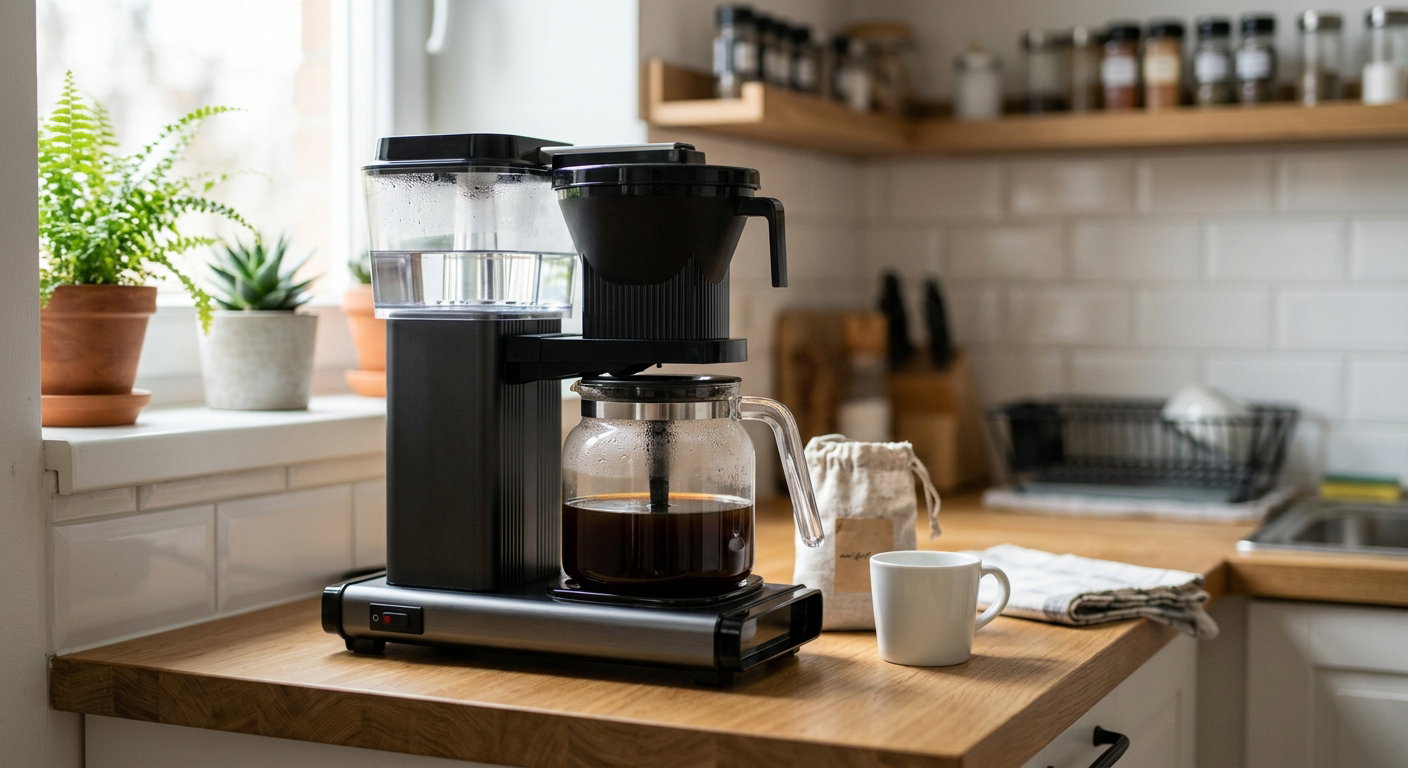
Citric Acid Descaler Powder
A food-grade descaler that removes hard-water scale without the vinegar smell. One bag lasts a year of monthly descaling.
Check Price on Amazon →Carafe, filter basket and exterior
Descaling cleans the inside of the machine. The parts you touch need a separate wash.
- Carafe: wash with warm soapy water. For burnt-on stains, add a tablespoon of baking soda and a little water, then scrub with a non-scratch pad.
- Filter basket: rinse and scrub the mesh. Old grounds trapped in the basket are a common source of sour taste.
- Water reservoir lid and gasket: wipe with a damp cloth; these grow pink biofilm in humid apartments.
- Exterior: wipe with a damp cloth only. Never submerge the base — the electronics are not sealed.
How often to descale
Frequency depends almost entirely on water hardness. If you do not know yours, a $10 test strip answers it in a minute.
| Water hardness | Scale risk | Descale every |
|---|---|---|
| Soft (0–60 mg/L) | Low | Every 3 months |
| Moderately hard (60–120 mg/L) | Medium | Every 2 months |
| Hard (120–180 mg/L) | High | Every month |
| Very hard (180+ mg/L) | Very high | Every 2–3 weeks |
A quick tell without a test: if a white crust forms on your faucet or kettle within a week, your water is hard and your coffee maker needs monthly attention.
Five mistakes that shorten a coffee maker's life
Most coffee makers do not die of old age. They die of one of these five habits, all of which are easy to fix.
- Never descaling. Scale is the number one killer. It insulates the heating element until the machine overheats and the thermal fuse blows.
- Leaving water in the reservoir. Standing water grows biofilm and leaves mineral deposits. Empty it after each use.
- Using the warming plate for hours. A hot plate that stays on for hours bakes coffee onto the carafe and stresses the element. Switch off after 30 minutes.
- Grinding too fine for a drip machine. Fine grounds clog the filter basket and overflow into the machine, where they are hard to remove.
- Ignoring a slow brew. If a pot takes noticeably longer than it used to, scale has built up. Descale now, before the element fails.
If your water is hard, do this instead
Hard water is the single biggest variable in how often a coffee maker needs cleaning. If a white crust forms on your kettle within a week, your water is hard and the standard monthly schedule is not enough.
| Water sign | What it means | Adjustment |
|---|---|---|
| White crust on kettle in a week | Very hard water | Descale every 2–3 weeks |
| White film on glasses | Hard water | Descale monthly |
| No visible scale | Soft water | Descale every 3 months |
| Chlorine smell | Treated municipal water | Use a carbon filter; descale normally |
A $20 pitcher filter is the cheapest fix. It cuts hardness enough to double your descaling interval, and it makes the coffee taste better at the same time — which is the point of owning a coffee maker.
What you actually need
You do not need a cabinet of special products. Four things cover every coffee maker in an apartment kitchen.
| Item | What it does | Cost |
|---|---|---|
| White vinegar | Removes light scale and odour | $2 |
| Citric acid powder | Removes heavy scale, no smell | $8 |
| Soft brush or bottle brush | Cleans the basket and carafe neck | $5 |
| Microfibre cloth | Wipes the exterior without scratching | $4 |
Citric acid is the better choice if you dislike the smell of vinegar, and it is safe for aluminium parts that vinegar can slowly pit. A 1 lb bag lasts years at one tablespoon per descale.
The 60-second daily routine
Most coffee makers never need a deep clean if you do this every day:
- Rinse the carafe and the filter basket with hot water.
- Empty the water reservoir — do not leave standing water.
- Wipe the warming plate while it is still warm, not hot.
- Leave the lid open for ten minutes so the interior dries.
That routine takes under a minute and it is the difference between a machine that lasts three years and one that lasts ten. The deep descale then becomes a twice-a-year job instead of a monthly chore.
When to stop and replace instead
A coffee maker is not worth repairing. If the machine leaks from the base, trips a GFCI outlet, or the pump has gone quiet, the cost of a repair exceeds the cost of a new unit. In an apartment, a leaking coffee maker is also a deposit risk — replace it rather than living with a drip onto the counter.
Frequently asked questions
How often should I clean my coffee maker?
Can I use vinegar to clean a coffee maker?
Why does my coffee taste bitter after cleaning?
Is citric acid better than vinegar for descaling?
Can I put the carafe in the dishwasher?
Related guides
How to Clean a Microwave (Steam Method)
The 10-minute steam method that lifts baked-on food.

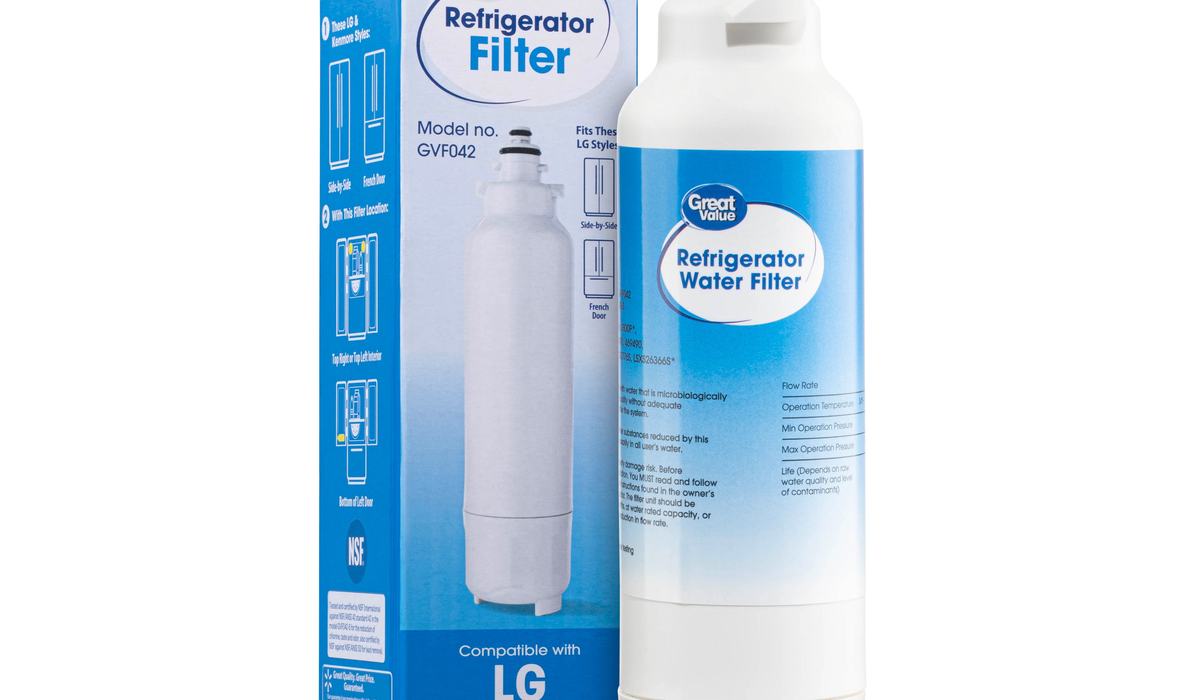
Refrigerator Water Filter vs Pitcher
Which one actually removes what, and at what cost.