Pet hair does not sit on top of carpet — it weaves into the fibres, and the barbs on each hair act like tiny anchors. A single vacuum pass glides over it. Removing it takes either the right tool or the right technique, and often both.
Here are seven methods, ranked from quickest to most thorough, with the ones that work best on apartment carpet.
- Fastest: a rubber squeegee or a damp rubber glove, dragged across the carpet.
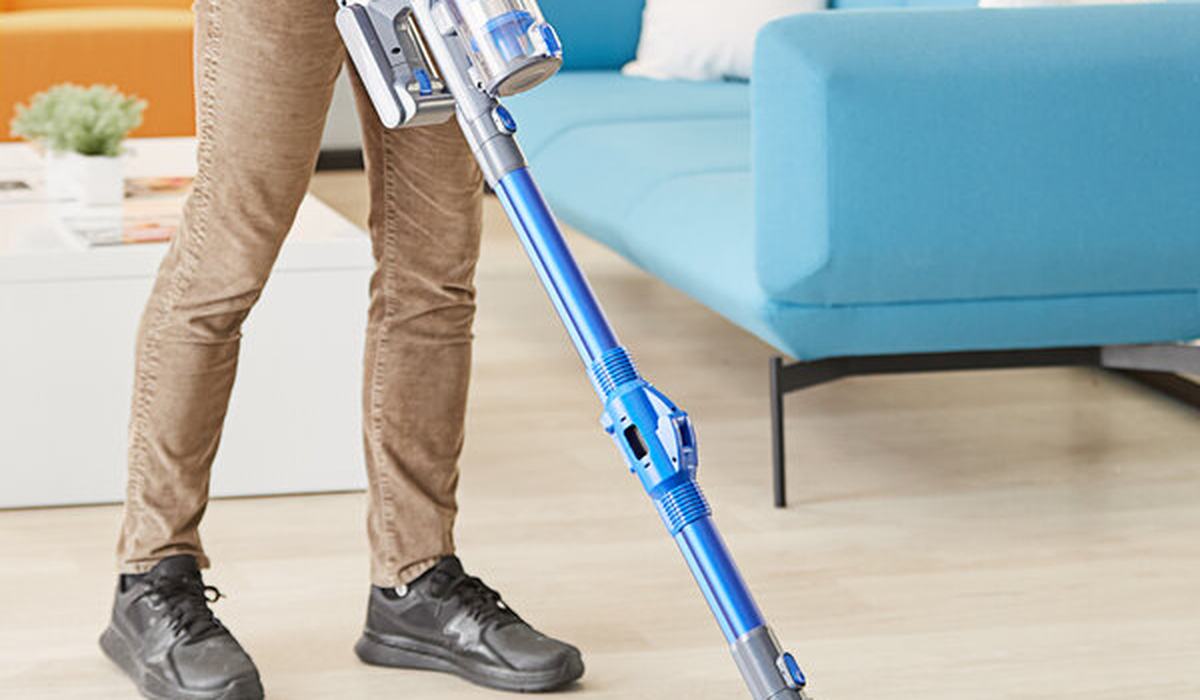
- Most effective: a vacuum with a motorised brush roll, passed slowly.
- Best for deep hair: a carpet rake, then vacuum.
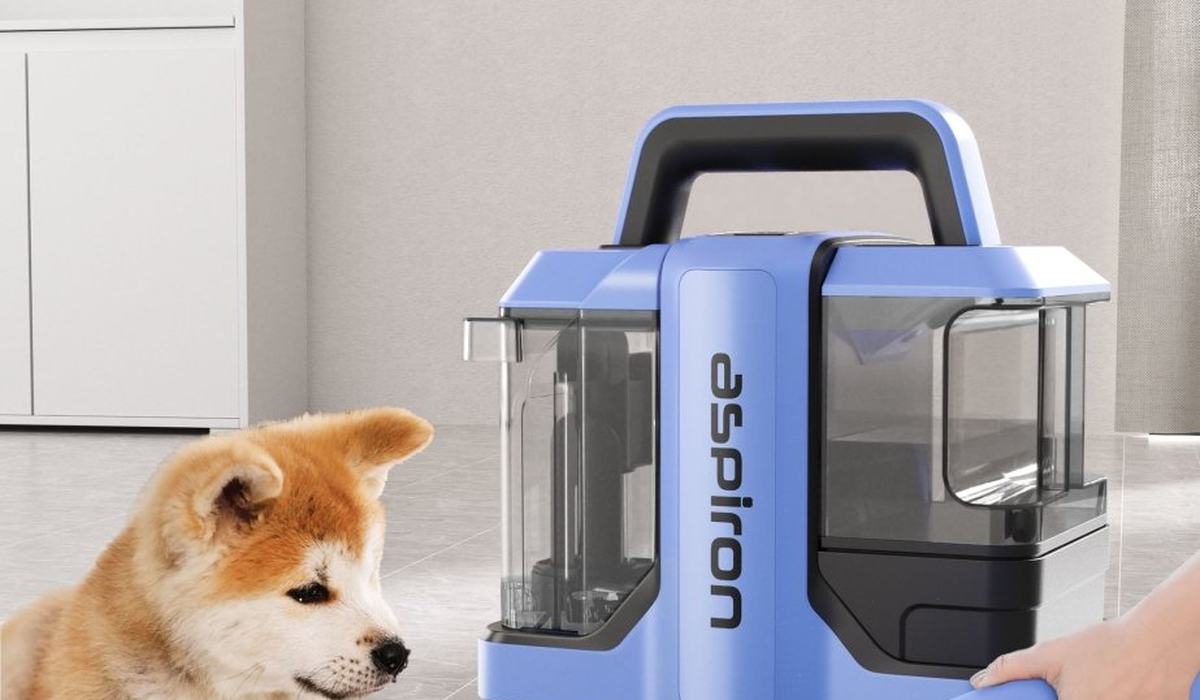
- Best for large areas: a carpet cleaner with a pet tool.
- Do not: rub hard with a dry cloth — it just pushes hair deeper.
The 7 methods
1. Rubber squeegee
A rubber squeegee or a damp rubber glove creates static and friction that pulls hair out of the fibres. Drag it across the carpet in one direction, gathering hair into a pile, then vacuum it up. This is the fastest method and costs almost nothing.
2. Motorised brush-roll vacuum
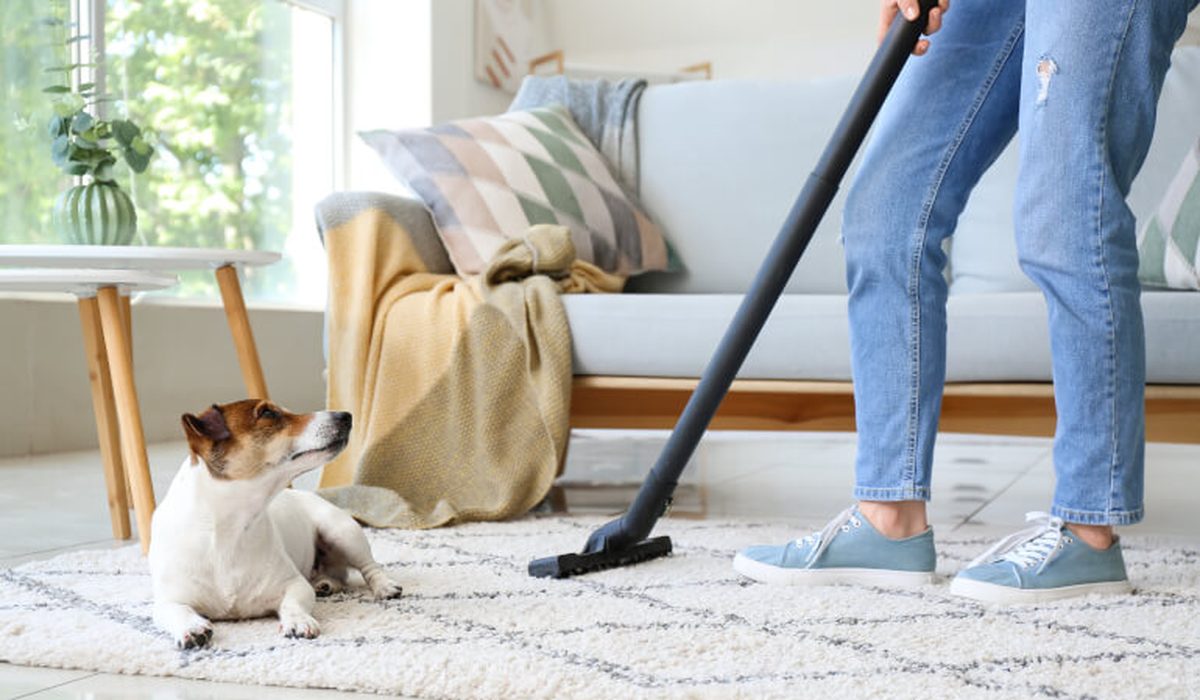
A vacuum with a motorised brush roll agitates the fibres and lifts hair. The key is to pass slowly — two or three slow passes over the same spot, not one fast one. A vacuum with strong suction and a stiff brush roll does most of the work.
3. Carpet rake
A carpet rake has stiff tines that dig into the pile and pull hair to the surface. It is more work than a squeegee but reaches deeper. Rake first, then vacuum to collect what you brought up.
4. Damp sponge or mop
A slightly damp sponge or a flat mop with a microfibre pad grabs hair through surface tension. Wring it out well — too wet and you soak the carpet. Rinse the sponge often.
5. Carpet cleaner with a pet tool
A carpet cleaner with a motorised pet tool washes and extracts hair along with dirt. Best for a full-room deep clean, and it removes the dander that causes odour as well as the hair.
6. Dryer sheet
A used dryer sheet rubbed across the carpet reduces static, which makes hair easier to gather. It is a light-duty method, best for touch-ups between deep cleans.
7. Duct tape or lint roller
For small areas — a stair tread, a car mat, a spot under the sofa — wrapping duct tape around your hand, sticky side out, lifts hair quickly. A lint roller works the same way on upholstery.
| Method | Effort | Effectiveness | Best for |
|---|---|---|---|
| Rubber squeegee | Low | High | Quick pass, any carpet |
| Brush-roll vacuum | Low | High | Regular cleaning |
| Carpet rake | Medium | Very high | Deep embedded hair |
| Damp sponge | Low | Medium | Touch-ups |
| Carpet cleaner | High | Very high | Full-room deep clean |
| Dryer sheet | Very low | Low | Static reduction |
| Duct tape | Low | Medium | Small areas |
Which method to use
For routine apartment cleaning, a brush-roll vacuum passed slowly is enough. When hair builds up, start with a rubber squeegee to gather the surface layer, then rake the deep hair, then vacuum. For a full reset, use a carpet cleaner with a pet tool once or twice a year.
The most common mistake is vacuuming too fast. A brush roll needs time to agitate the fibres and let suction lift the hair. Two slow passes remove more hair than five quick ones.
Preventing the buildup
- Vacuum twice a week if you have a heavy shedder.
- Brush your pet outdoors to remove loose hair before it reaches the carpet.
- Use a doormat to catch hair and dander at the entrance.
- Keep a squeegee handy for a 30-second pass before guests arrive.
- Wash pet bedding weekly — it sheds hair into the room constantly.
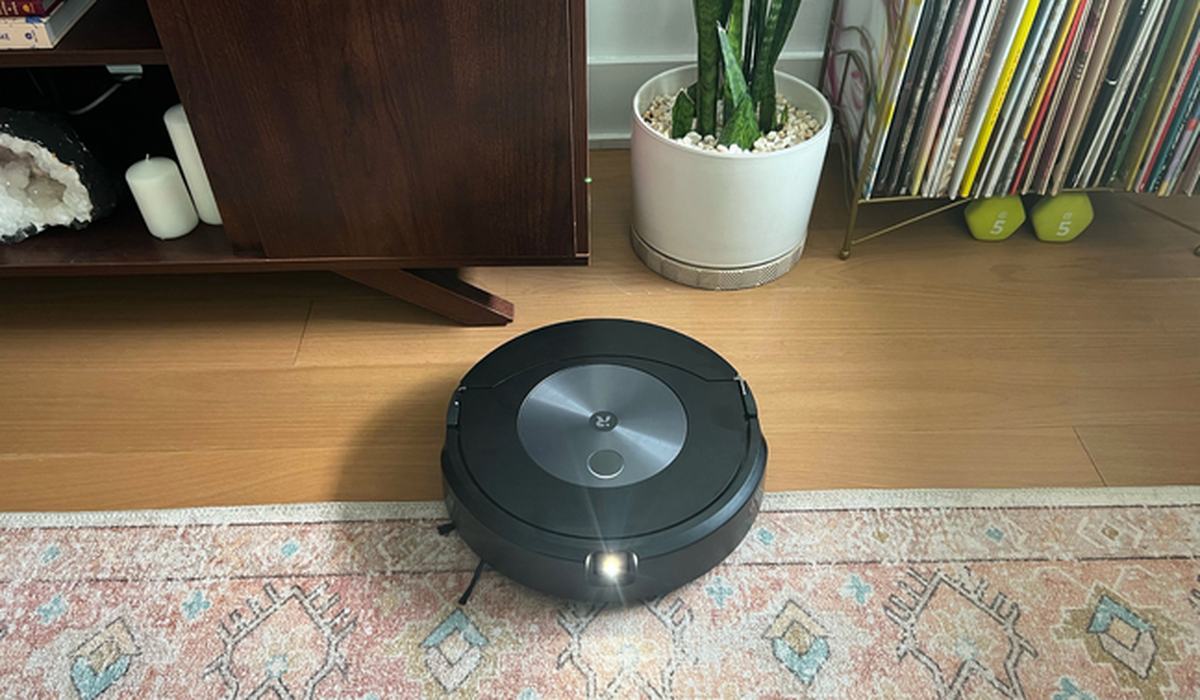
- Consider a robot vacuum for daily maintenance between deep cleans.
For embedded pet hair, start with a rubber squeegee, follow with a carpet rake for deep hair, then vacuum slowly with a brush roll. For a full reset, use a carpet cleaner with a pet tool. Slow passes are the secret.
Frequently asked questions
Pet hair tools
A carpet rake or rubber brush lifts embedded pet hair.