On this page
What 'no ventilation' actually means
Ventilation is the movement of fresh air into a space and stale air out. An apartment can fail at this in three different ways, and the fix is different for each.
- No air path. Windows that only open on one side, or a flat with a single aspect, so air cannot flow through.
- No extraction. Kitchens and bathrooms with no fan, so moisture and cooking fumes have nowhere to go.
- No fresh air at all. Sealed windows, a shared corridor, and no mechanical system — the hardest case.
Most apartments are a mix. The kitchen has a recirculating hood that filters but does not exhaust; the bathroom has no fan; the windows open but only on one wall. Each of those is fixable in a different way.
Signs your apartment is under-ventilated
| Sign | What it points to | First fix |
|---|---|---|
| Cooking smells linger for hours | No kitchen extraction | Window fan on exhaust while cooking |
| Bedroom feels stuffy on waking | No overnight air exchange | Crack a window or run a purifier |
| Condensation on windows | High humidity, poor extraction | Dehumidifier + bathroom fix |
| Damp, musty smell | Moisture trapped in the flat | Find the source, then dehumidify |
| Headaches or drowsiness indoors | CO₂ build-up in a sealed room | Open a window; check for gas appliances |
Room-by-room fixes
Ventilation is a whole-flat problem, but you fix it one room at a time.
| Room | Problem | Renter-friendly fix |
|---|---|---|
| Kitchen | Recirculating hood, no exhaust | Window fan on exhaust; open a window while cooking |
| Bathroom | No fan, no window | Dehumidifier + squeegee |
| Bedroom | Sealed overnight | Crack a window; run a purifier on low |
| Living room | Stale air, dust | Purifier + periodic cross-flow |
| Closet | Damp, musty clothes | Moisture absorber; leave the door ajar |
How to create cross-flow
The single most effective free fix is cross-flow: air entering one side of the flat and leaving the other. If you have windows on two different walls, open both for 10–15 minutes, twice a day. This is called purge ventilation and it exchanges the whole air volume of a flat far faster than leaving one window cracked all day.
- Open the window on the windward side first.
- Open the window on the opposite side.
- Open interior doors between them so air can travel through.
- Leave it for 10–15 minutes, then close up to keep the heat in.
If your flat only has windows on one wall, you cannot get true cross-flow. In that case, a fan aimed at the window on exhaust is the next best thing.
When to add an air purifier
An air purifier does not ventilate — it does not bring in fresh air or remove CO₂. What it does is remove particles and odours from the air that is already there. That makes it the right tool for dust, pollen, pet dander and cooking smells, and the wrong tool for stuffiness.
Size it by CADR: aim for a clean air delivery rate at least two-thirds of the room's square footage. A 300 sq ft living room wants a CADR of 200 or more.
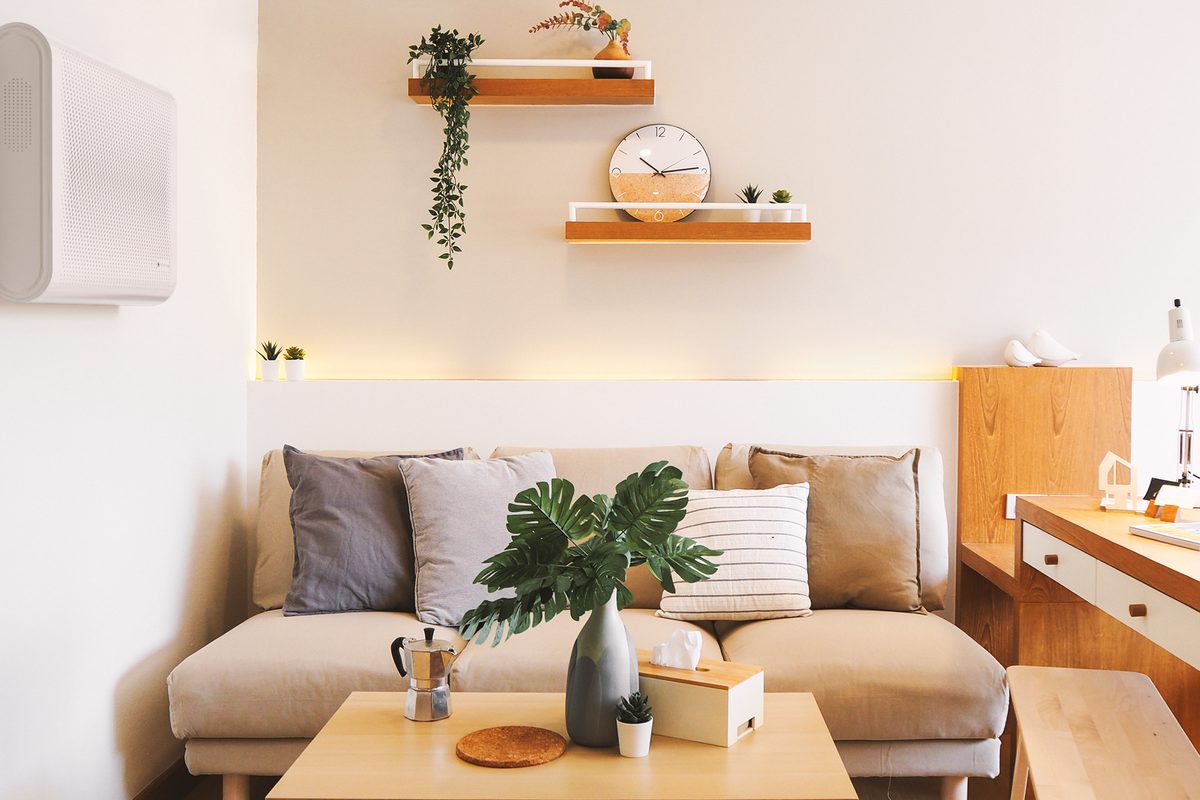
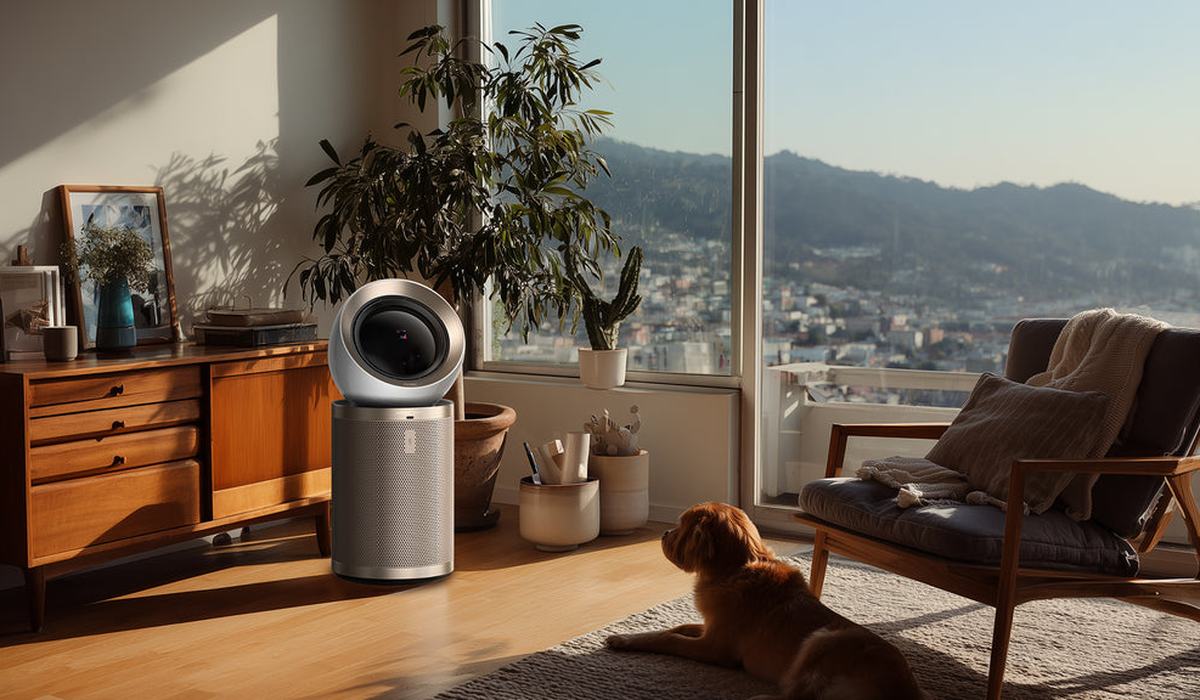
Air Purifier for Apartments
A HEPA purifier sized for a living room or bedroom. Removes dust, pollen and odours; quiet enough for overnight use.
Check Price on Amazon →When the problem is moisture
If the symptom is condensation, damp smell or mould rather than dust, the fix is a dehumidifier, not a purifier. Moisture is the one pollutant a HEPA filter cannot touch. Target 40–50% relative humidity; below 60% mould stops growing.
When it is a building problem
Some apartments have no mechanical ventilation by design — a sealed facade, a shared corridor, no ducting. If that is your building, individual fixes only go so far. Report it to your landlord in writing, and if the flat has a damp or mould problem that keeps returning, escalate to your local housing authority. Structural ventilation is the landlord's responsibility, not yours.
How to measure your apartment's ventilation
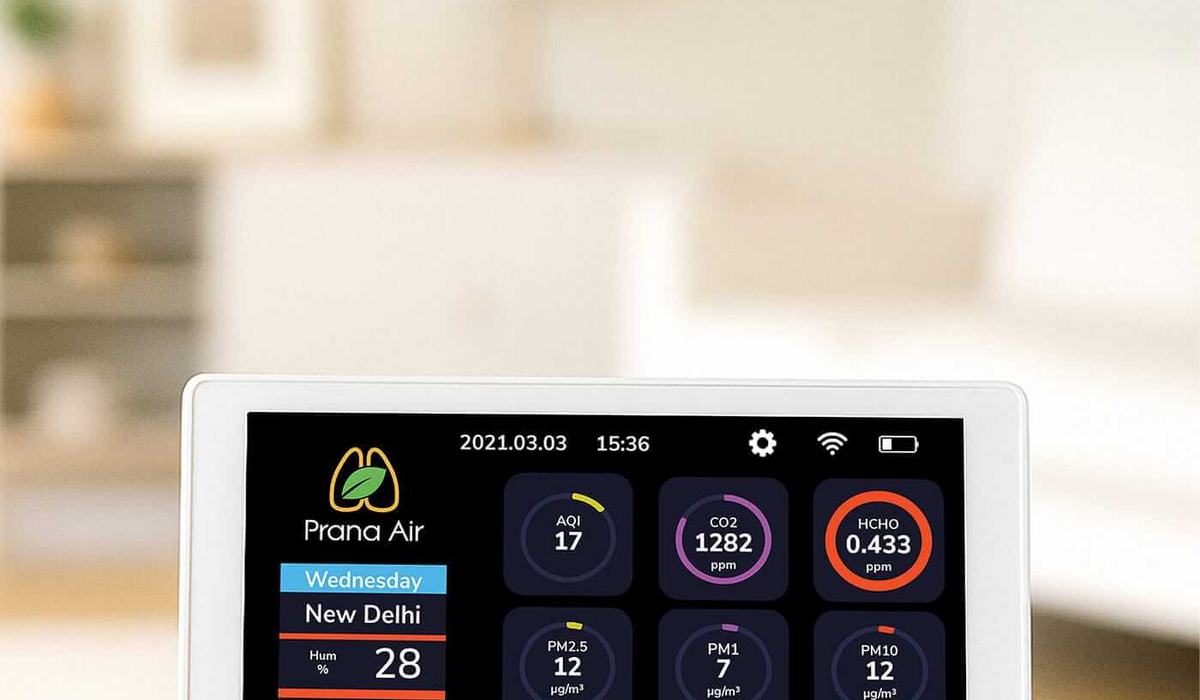
Two cheap tools tell you whether your flat is actually ventilating: a hygrometer for moisture and a CO₂ monitor for air exchange.
| Reading | What it means | Action |
|---|---|---|
| CO₂ under 800 ppm | Good air exchange | Nothing needed |
| CO₂ 800–1,200 ppm | Stuffy, under-ventilated | Ventilate more often |
| CO₂ over 1,200 ppm | Poor ventilation | Ventilate now; check for gas appliances |
| Humidity over 60% | Moisture problem | Dehumidify and ventilate |
Take a CO₂ reading after a night with the bedroom door closed. That is when a sealed room shows its worst numbers.
Seasonal ventilation
- Winter: purge ventilation is more important, because windows stay shut. Short bursts of 10 minutes lose less heat than leaving a window cracked all day.
- Summer: open windows freely, but check outdoor humidity — in humid weather, opening a window can add moisture rather than remove it.
- Shoulder seasons: the easiest time to ventilate. Use it.
Myths about apartment ventilation
- "An air purifier ventilates the room." It cleans the air already there. It does not bring in fresh air or remove CO₂.
- "Leaving one window cracked all day is enough." A short cross-flow purge exchanges more air and loses less heat.
- "A recirculating kitchen hood removes cooking fumes." It filters some grease and odour, but it does not exhaust anything outside.
Fixing no ventilation, in order
- Purge twice a day. Open windows on opposite sides for 10–15 minutes. This is the single highest-impact habit.
- Run a window fan on exhaust while you cook and shower.
- Keep interior doors open so air can move between rooms.
- Add a dehumidifier if humidity stays above 60%.
- Add a purifier for particles and odour — not for fresh air.
- Report it if the building has no working ventilation at all.
What to ask your landlord for
If your flat has no working ventilation, ask in writing for one of these, in order of cost:
- Unblocked trickle vents on the windows — often present but painted shut.
- A working extractor fan in the bathroom and kitchen.
- A ducted heat-recovery unit for a sealed flat.
Keep a dated copy of the request. If mould follows, that record is what protects your deposit.
Frequently asked questions
How do I ventilate an apartment with no windows that open?
Does an air purifier count as ventilation?
How often should I air out my apartment?
Why does my apartment smell stale even when it is clean?
Can poor ventilation make me sick?
Related guides
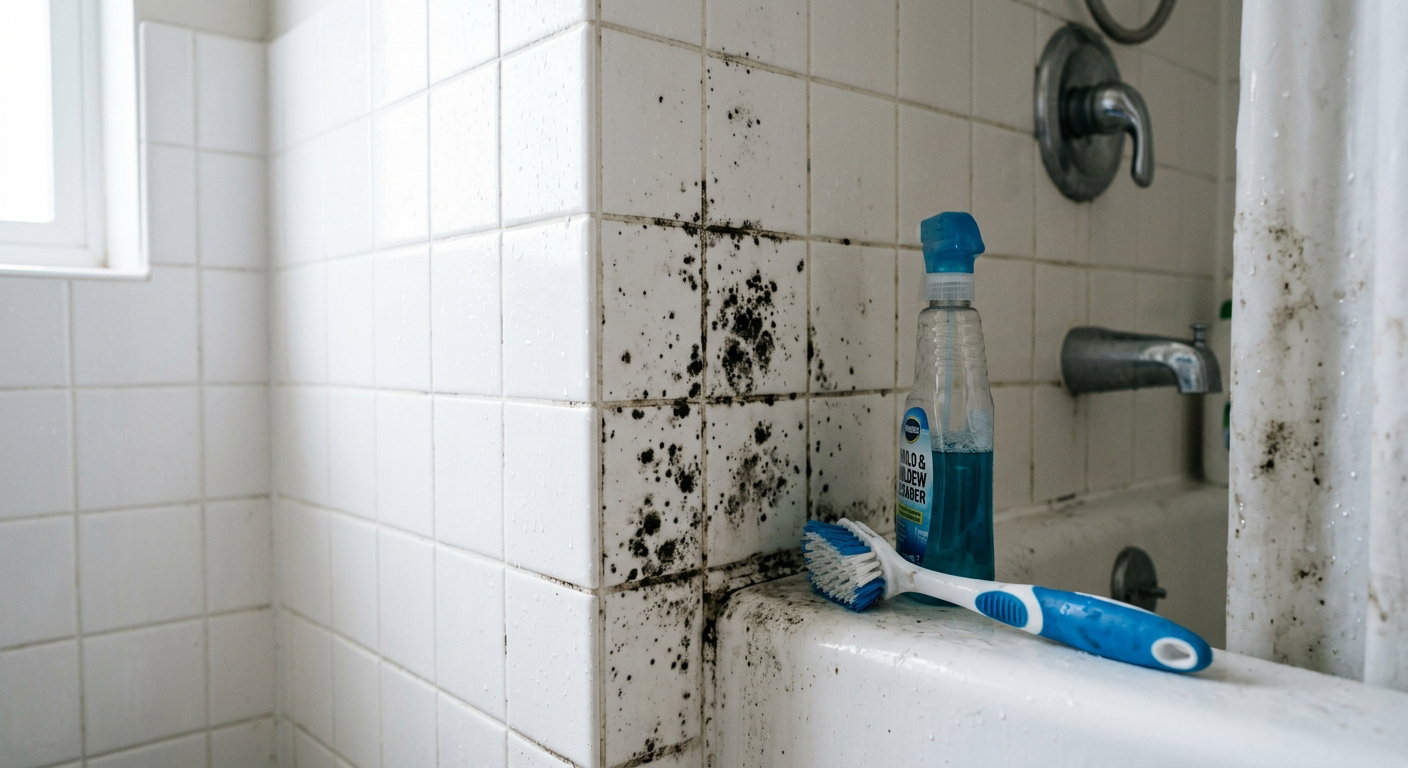
No Exhaust Fan in Your Bathroom? What to Do
The renter guide to a bathroom with no ventilation.
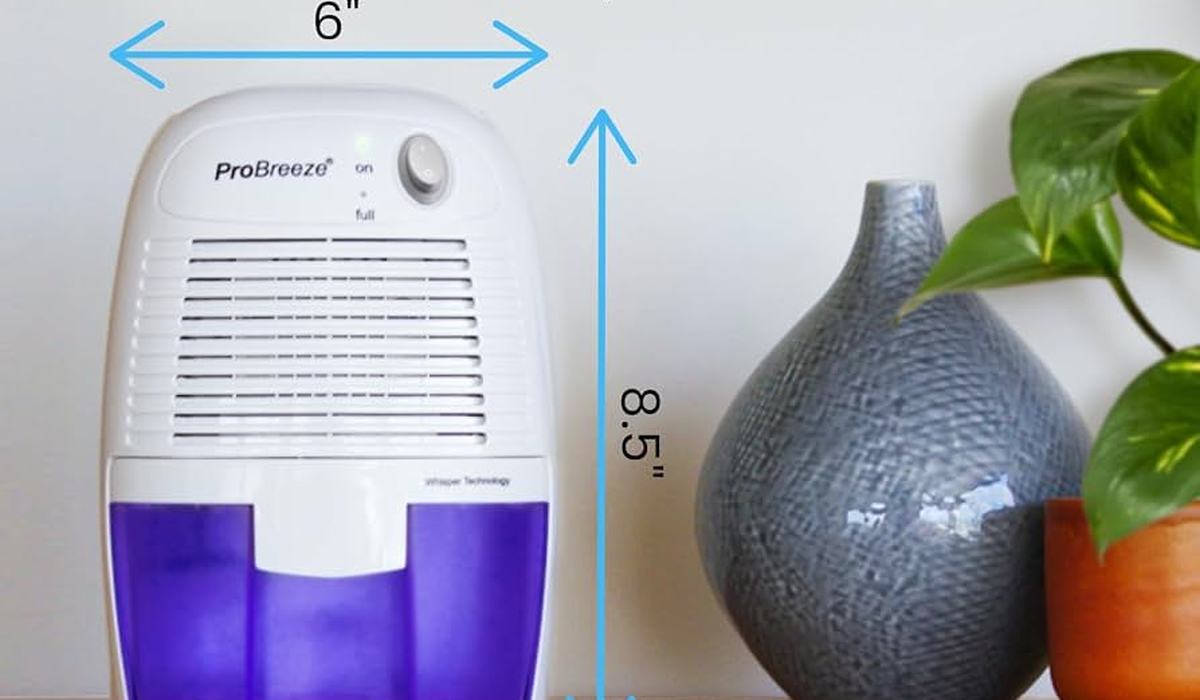
Apartment Air Quality: The Complete Guide
Everything that affects the air in a small space.