On this page
The renter's rules
Three rules decide what you can install in a rental:
- No permanent damage. No holes, no cut wires, no paint damage.
- Fully reversible. It should come out in minutes when you move.
- No electrical work. Plug-in only — never hard-wire anything.
Everything below meets all three. Anything that needs a hole in the wall or a new circuit does not, and belongs in a written request to your landlord instead.
Renter-friendly fan types
| Type | Install | Removes moisture? | Cost |
|---|---|---|---|
| Twin window fan | Drop into window | Yes | $25–$70 |
| Single window fan | Drop into window | Yes | $20–$45 |
| Adhesive-mounted recirculating fan | Adhesive strips | No | $40–$120 |
| Tension-pole fan | Spring pole | No | $30–$80 |
| Portable floor/desk fan | None | Partly | $15–$40 |
Window fans (best option)
If the bathroom has a window, a twin window fan is the clear winner. It needs no installation at all — you drop it into the opening, extend the side panels, and close the window onto it. Set it to exhaust and leave the door ajar for replacement air.
It is removable in seconds, leaves no marks, and moves more air than any other renter-friendly option.
Adhesive and tension-mounted units
Ductless recirculating fans can be mounted with heavy-duty adhesive strips or a tension pole. They look like a proper bathroom fan and are popular for that reason. Be clear about what they do: they filter and circulate air, but they do not remove moisture. For odour and air movement, fine. For damp, they will not help.
Portable fans
A portable fan is the fallback when there is no window. Aim it through an open door toward a room with better airflow, and run it for 20–30 minutes after a shower. It is a weak fix, but it costs almost nothing and it does move some air.
Installing without damage
- Window fan: clean the sill, seat the fan, extend the panels, close the window gently. No tools.
- Adhesive mount: clean and dry the surface, press firmly for 30 seconds, wait an hour before use.
- Tension pole: measure floor to ceiling, extend the pole, and tighten until it holds without bowing.
- Portable: place on a dry surface away from the shower, plugged into a GFCI outlet.
Honest limits
No renter-friendly fan removes moisture from a sealed room. If your bathroom has no window, the fan is a comfort fix and the dehumidifier is the real one. Buy both if you can — the fan for air movement, the dehumidifier for the water.
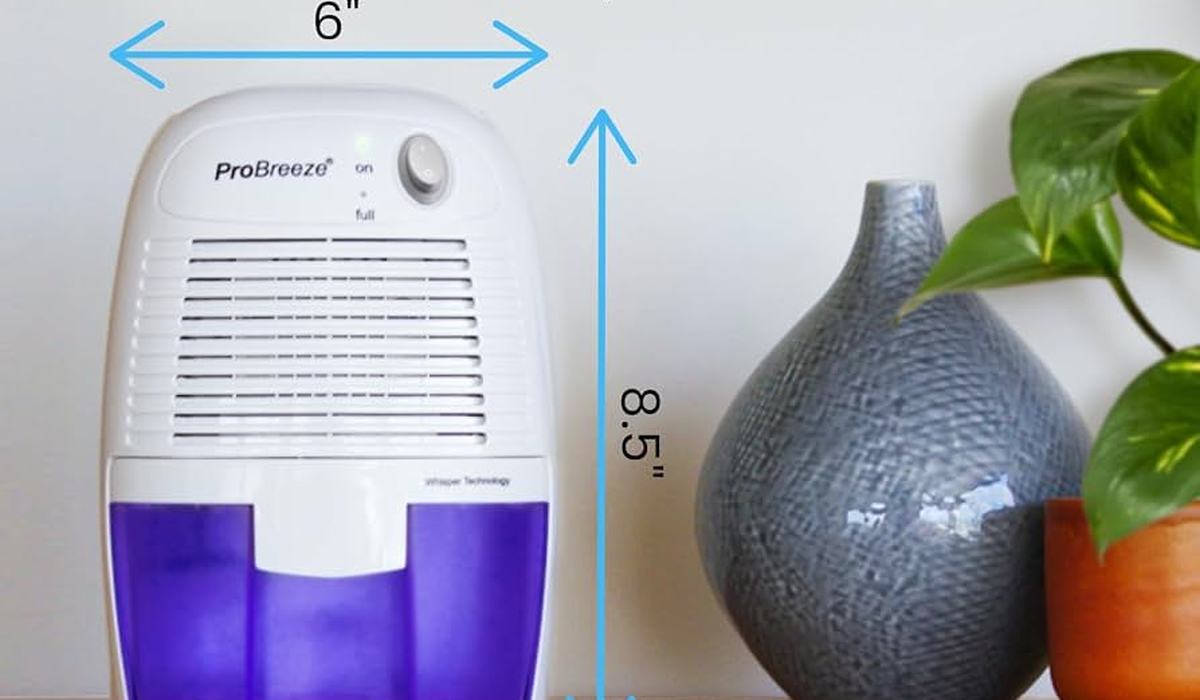
Portable Dehumidifier for Rentals
The renter-friendly way to remove moisture when a fan has nowhere to push air. No installation, no damage.
Check Price on Amazon →Together they cost under $150 and handle a bathroom that has neither a fan nor a window.
Comparing the options on what matters
| Option | Install time | Removal | Removes moisture | Cost |
|---|---|---|---|---|
| Twin window fan | Under 1 min | Seconds | Yes | $25–$70 |
| Single window fan | Under 1 min | Seconds | Yes | $20–$45 |
| Adhesive recirculating fan | 5 min + 1 hr cure | Peel off | No | $40–$120 |
| Tension-pole fan | 2 min | Seconds | No | $30–$80 |
| Portable fan | None | None | Partly | $15–$40 |
Avoiding damage when you remove it
- Adhesive mounts: warm the strip with a hairdryer on low, then peel slowly at a shallow angle. Most damage happens when people pull straight off.
- Tension poles: loosen before removing, never yank.
- Window fans: clean the sill before and after so no marks are left.
- Portable fans: wipe the base so it does not leave a ring on the floor.
Electrical safety
- Plug into a GFCI outlet — standard in bathrooms in most modern buildings.
- Keep cords off wet floors and away from the shower.
- Never run a fan from an extension lead across a wet room.
- Unplug before cleaning or moving.
The verdict for renters
If you have a window, a twin window fan is the best renter-friendly purchase in this category — it is the only one that genuinely exhausts air. If you do not, buy a dehumidifier and treat any fan as a comfort extra rather than a fix.
What "renter-friendly" actually means
A renter-friendly fan has to meet three tests: it installs without drilling, it comes out without damage, and it does not need an electrician. That rules out ducted and through-wall fans entirely.
| Type | No drilling? | No damage on removal? | Exhausts outside? |
|---|---|---|---|
| Twin window fan | Yes | Yes | Yes |
| Single window fan | Yes | Yes | Yes |
| Adhesive recirculating fan | Yes | Usually | No |
| Tension-pole fan | Yes | Yes | No |
| Portable fan | Yes | Yes | Only via a door |
Run it for 20 minutes, not 2
Whatever fan you choose, run it for at least 20 minutes after a shower. Moisture keeps evaporating from the walls long after you leave, and a two-minute run does almost nothing.
Placement for a portable fan
- Low and aimed at the door. Push the damp air out rather than stirring it.
- Door ajar so replacement air can enter.
- Clear of the shower and off wet floors.
- On a GFCI outlet with the cord routed along a wall.
When no fan will work
If your bathroom has no window and no duct, no renter-friendly fan can fix the damp. A fan needs an air path, and a sealed room has none. In that case the honest answer is a dehumidifier.
Ranked by how well each option removes moisture from a sealed room:
- Dehumidifier — removes the water directly. The only real fix.
- Portable fan plus dehumidifier — the fan moves air, the dehumidifier removes water.
- Moisture absorber — a baseline tool, not a shower fix.
- Recirculating fan alone — does nothing for humidity.
What each option costs
| Option | Upfront | Yearly running |
|---|---|---|
| Twin window fan | $25–$70 | $5–$15 |
| Adhesive recirculating fan | $40–$120 | $5–$15 |
| Portable fan | $15–$40 | $3–$10 |
| Dehumidifier | $60–$200 | $20–$60 |
If you have a window, the window fan is the best value. If you do not, skip the fans and put the money into a dehumidifier.
Frequently asked questions
Can I install a bathroom fan in a rental?
What is the best renter-friendly bathroom fan?
Do adhesive bathroom fans damage paint?
Can a renter-friendly fan stop mould?
What if my rental bathroom has no window?
Related guides
Renter-Friendly Bathroom Fan Options That Actually Work
A closer look at which renter fan types are worth buying.
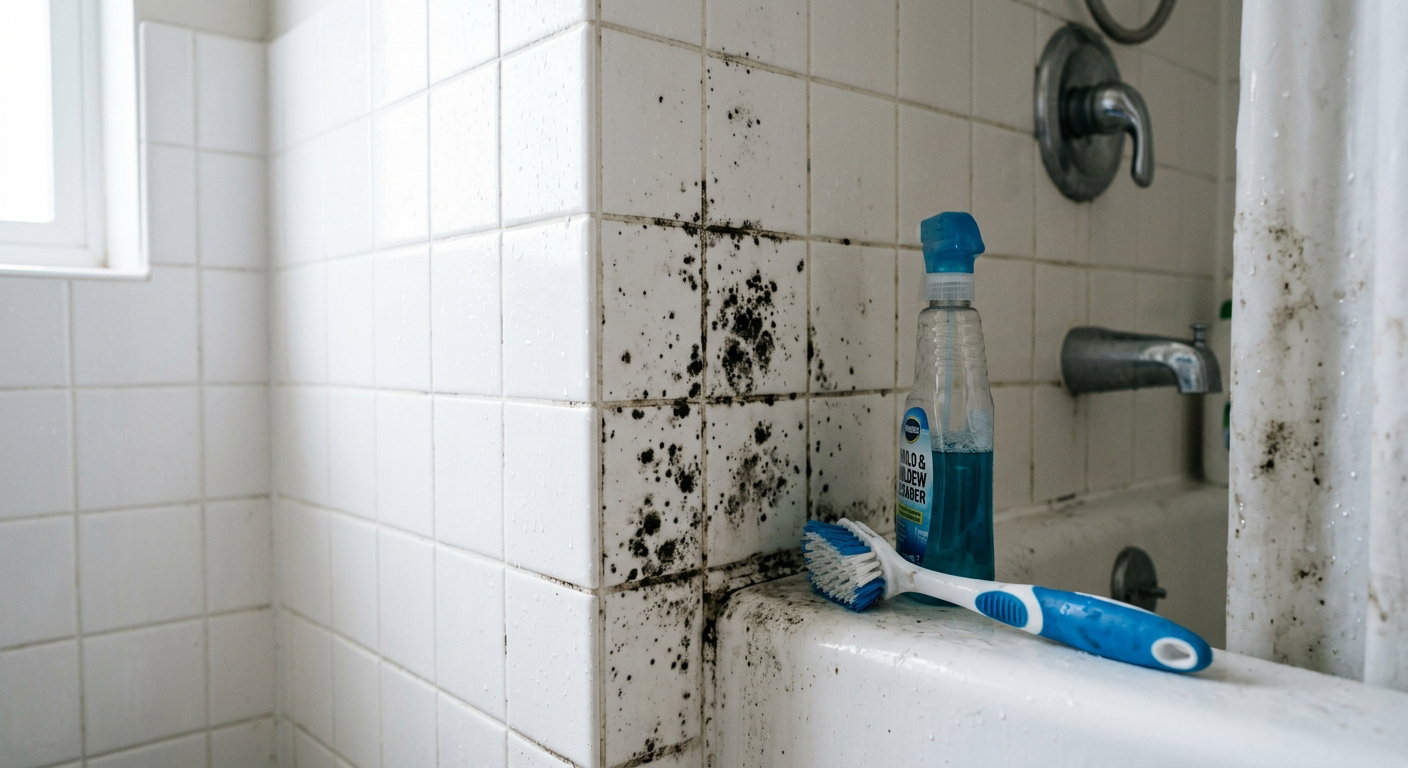
No Exhaust Fan in Your Rental Bathroom? What to Do
Your rights and the fixes you can make today.