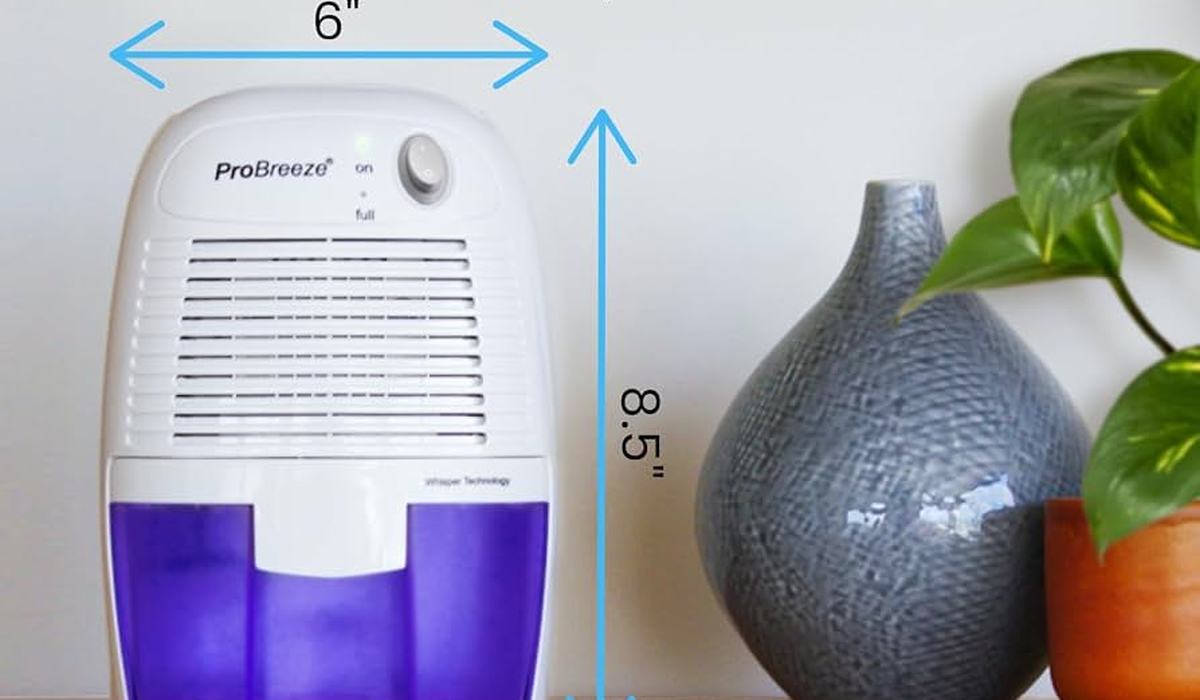
Dehumidifiers with a humidistat have a dial or a digital setting that most people never touch. It is usually left on “continuous”, which runs the compressor flat out and doubles the electricity bill.
Set correctly, the same unit keeps the room comfortable and costs a third as much to run. The setting is not a guess; there are standard numbers for comfort, health and building safety.
On this page
The numbers that matter
| Relative humidity | What happens | Verdict |
|---|---|---|
| Below 30% | Dry skin, static, irritated airways, wood cracks | Too dry |
| 30–40% | Comfortable but on the dry side for some | Acceptable |
| 40–50% | Comfortable, safe, mould and mites suppressed | Ideal |
| 50–55% | Comfortable; above 50% mites begin to thrive | Acceptable |
| 55–60% | Humid feeling, condensation risk on cold walls | Borderline |
| 60–70% | Dust mites and mould active, musty smell develops | Too humid |
| Above 70% | Condensation, active mould growth, damage | Fix now |
The Environmental Protection Agency recommends keeping indoor relative humidity between 30% and 50%, and ideally below 50%. That is the number to set a humidistat to, and it aligns with comfort, health and building protection at once.
Comfort and health ranges
Relative humidity interacts with temperature to produce what you actually feel. Warm air holds more moisture, so 50% at 75 °F feels muggier than 50% at 68 °F.
| Season | Typical room temp | Recommended RH |
|---|---|---|
| Summer | 75–78 °F | 45–50% |
| Spring and autumn | 68–74 °F | 45–50% |
| Winter, heated indoors | 68–72 °F | 35–45% |
| Winter, basement room | 58–65 °F | 40–50% |
| With allergies or asthma | Any | 40–45% |
| With visible mould | Any | 40–45% until resolved |
Where mould and dust mites start
Two biological thresholds decide most of the recommended range.
- Dust mites thrive above about 50% relative humidity. Below 50% their population drops sharply, which is why allergy guidance points at 40–50%.
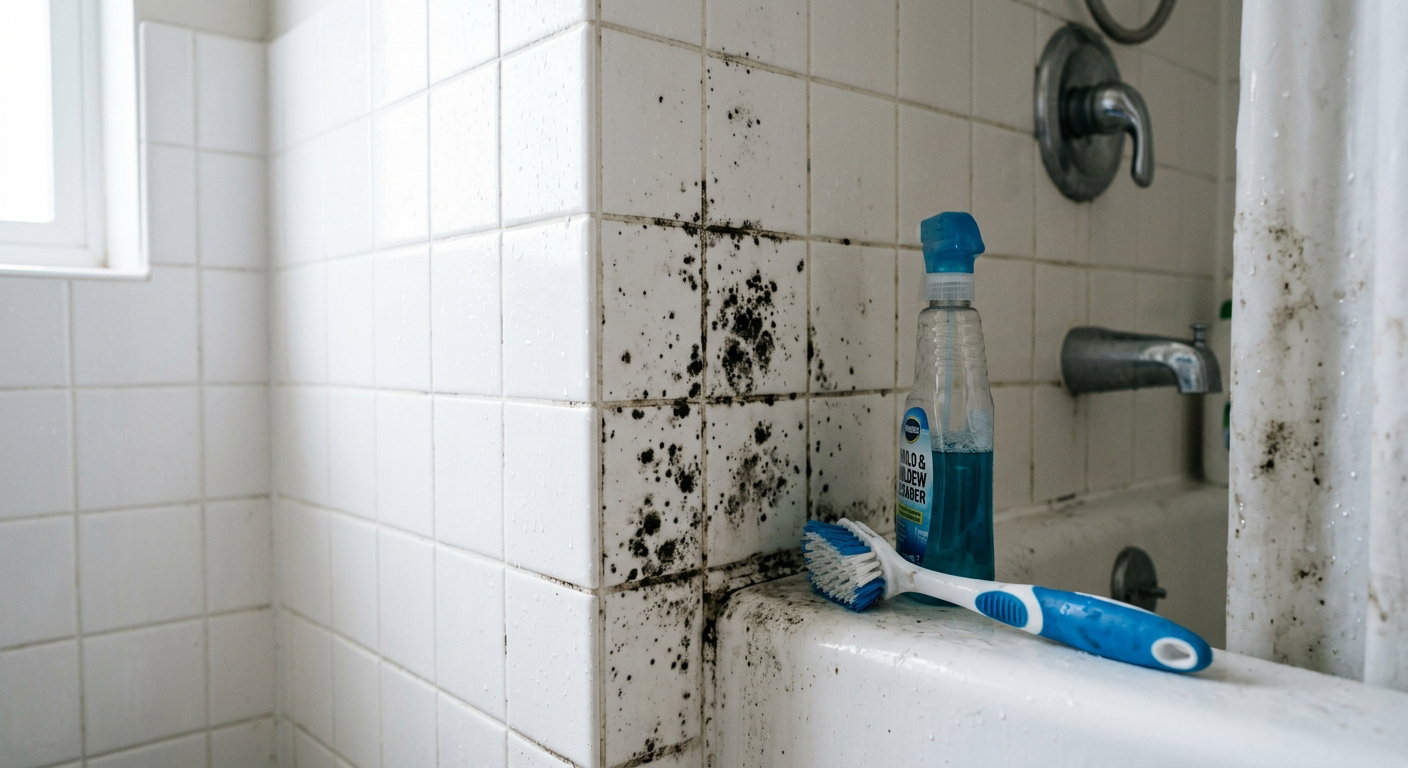
- Mould needs damp surfaces, and condensation begins when a surface is below the dew point for the air around it. In practice, mould growth becomes likely above about 60% indoor humidity, especially on cold exterior walls and in corners.
- Condensation on windows is the visible sign that you are above the safe range. If your windows stream in winter, the humidity is too high for the outdoor temperature.
The threshold for the building is often lower than the threshold for comfort. A room that feels fine at 60% can still grow mould on the coldest wall behind a wardrobe.
How to measure humidity
You cannot set a humidistat accurately without knowing what the room actually reads, and dehumidifier humidistats are notoriously optimistic.
- Buy a separate hygrometer. A standalone digital hygrometer costs less than a meal and is far more accurate than the one built into the dehumidifier.
- Place it at breathing height, away from the dehumidifier's exhaust and away from radiators or windows.
- Let it stabilise for at least 30 minutes after moving it.
- Compare it with the dehumidifier's reading. If they differ by more than 5–7%, trust the hygrometer and adjust the humidistat to compensate.
- Measure the coldest corner too. The reading at the window or the outside-wall corner is where mould starts, and it is usually higher than the centre of the room.
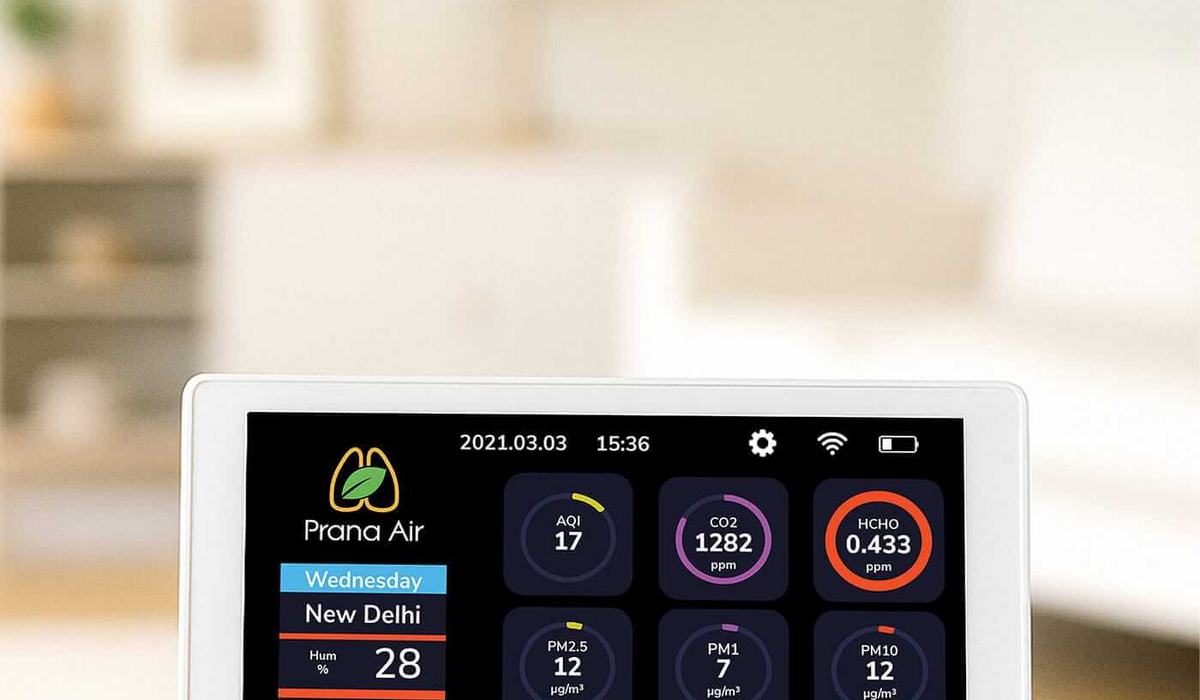
Digital Hygrometer and Thermometer
The cheapest way to set your dehumidifier correctly. Built-in humidistats are often several points out.
Check Price on Amazon →Adjusting for season and room
- Start at 50% and leave it for a week.
- Move up to 55% in winter if the air feels dry or your skin and throat are irritated — heating already dries the air, and running the unit harder is the wrong fix.
- Move down to 45% if you have allergies, asthma, or have seen mould.
- Move down to 40% in a bathroom that is used daily with no vent fan, since it reloads fast.
- Never go below 35% in a living space. Very dry air irritates airways and is a known trigger for respiratory discomfort.
The setting is not a set-and-forget number. A room behaves differently in July and January, and the humidistat is there to be adjusted twice a year.
What goes wrong at each extreme
| Setting | Consequence | Cost impact |
|---|---|---|
| Continuous, no target | Over-drying, compressor runs non-stop | Bill three times higher |
| Below 35% | Dry eyes and throat, static, wood shrinkage | Higher |
| 40–50% | Comfortable, mould suppressed | Lowest |
| Above 60% | Mould and mites active, musty smell | Lower bill, higher repair cost |
| Unset on a unit with a full tank | Shuts off, room re-humidifies | Wasted run |
The apartment angle
Renters have a specific reason to keep humidity below 50%: mould is a deposit and liability issue, and it is usually blamed on the tenant.
- Keep it under 50% and photograph your hygrometer readings occasionally. It is simple evidence that you were managing the humidity.
- Report any reading that stays above 60% despite a running dehumidifier. That points at a building fault — a leak, a missing vapour barrier or a blocked duct — not at your habits.
- Check the coldest corner, not the middle of the room. In an apartment the outside-wall corner behind furniture is where mould starts.
- Do not over-dry in winter. A heated apartment can drop below 30% on its own, and running the dehumidifier then makes it worse for no benefit.
Frequently asked questions
What should I set my dehumidifier to?
Is 60% humidity too high indoors?
Should I leave my dehumidifier on continuous?
Where should I put a hygrometer to measure humidity?
What is the ideal humidity for an apartment?
Related guides