On this page
The mechanism, in one paragraph
Pet odour molecules are volatile — they exist as a gas in the air and also dissolve into water. Fabric in a humid room is full of absorbed water, and that water holds odour molecules in place. Dry the fabric out and the odour molecules are free to be removed by washing, vacuuming or a carbon filter. That is the entire mechanism. A dehumidifier does not capture smell; it releases the smell from the surfaces that were holding it, so that your other cleaning can remove it.
There is a second effect. The bacterial component of pet odour — the yeasty, sour note that builds in a dog bed — is produced by organisms that work far better in humid conditions. Dropping relative humidity from 65% to 45% slows that process measurably.
The humidity target and why 45%
Relative humidity is a band, not "lower is better". Both ends of the range cause problems.
| Relative humidity | Effect on pet odour | Effect on pets and people |
|---|---|---|
| Below 35% | Odour very low | Dry skin, static, respiratory irritation |
| 35–40% | Odour low | Borderline — some pets get itchy |
| 40–50% | Odour low and stable | Comfortable for pets and people |
| 50–60% | Odour noticeable in fabric | Comfortable |
| 60–70% | Odour building, bacteria active | Dust mites thrive |
| Above 70% | Odour strong, mould risk | Mould, condensation, allergy flare-ups |
Set the humidistat to 45%. That gives you 5% of headroom either side before you reach a problem, and it matches the recommendation from the AHAM/AHA guidance on indoor humidity, which places the healthy indoor band at 30–50% under normal conditions.
Multi-pet and multi-room apartments
Odour concentration scales with the number of animals and inversely with air volume, so a two-cat one-dog flat needs a different setup from a single small dog.
| Situation | Dehumidifier capacity | Placement |
|---|---|---|
| One small pet, studio | 20–25 pints/day | Living area, central |
| One large dog, 1-bedroom | 30 pints/day | Room where the dog sleeps |
| Two or more pets, apartment | 35–50 pints/day | Largest shared room, doors open |
| Pets plus indoor laundry drying | Desiccant, 35 pints+ | Where the washing dries |
| Basement apartment with pets | 45–50 pints/day | Lowest point of the flat |
Note the last two rows. Laundry drying and a basement flat both add large continuous moisture loads, and in those cases the dehumidifier is doing two jobs at once. Buy for the bigger job.
How to measure whether it is working
Odour is subjective, so use a number instead of your nose. A hygrometer plus a simple before-and-after test will tell you in three days what guessing will never tell you.
- Put a hygrometer in the room where the pet sleeps. Record the reading morning and evening for two days.
- Smell a fixed object — the dog bed, a particular cushion — at the same time each day. Rate it 1 to 5.
- Install the dehumidifier, set it to 45%, and repeat for three days.
- Compare. If the humidity dropped into the 40–50% band and the smell rating fell by a point or more, it is working.
| Humidity achieved | Expected odour result | Next step |
|---|---|---|
| 45–50% | Clear improvement in fabrics | Add enzyme cleaning for the last 30% |
| 50–60% | Some improvement | Upsize, or check for another moisture source |
| Above 60% | Little or no change | Unit is undersized or the door is open |
Dehumidifier vs purifier vs cleaner
These three are constantly confused, and each one fails on the job the others do. If you only buy one, buy the one that matches where the odour actually is.
| Tool | Where the odour is | What it does | If you skip it |
|---|---|---|---|
| Enzyme cleaner | On and inside surfaces | Breaks down the residue that generates odour | Odour returns on the next humid day |
| Dehumidifier | In the fabric | Releases odour so cleaning can remove it | Everything else works at half strength |
| Carbon purifier | In the air | Adsorbs odour molecules | The room smells even when clean |
| HEPA vacuum | In carpet and upholstery | Removes dander and hair that carry odour | Sources keep re-seeding the air |
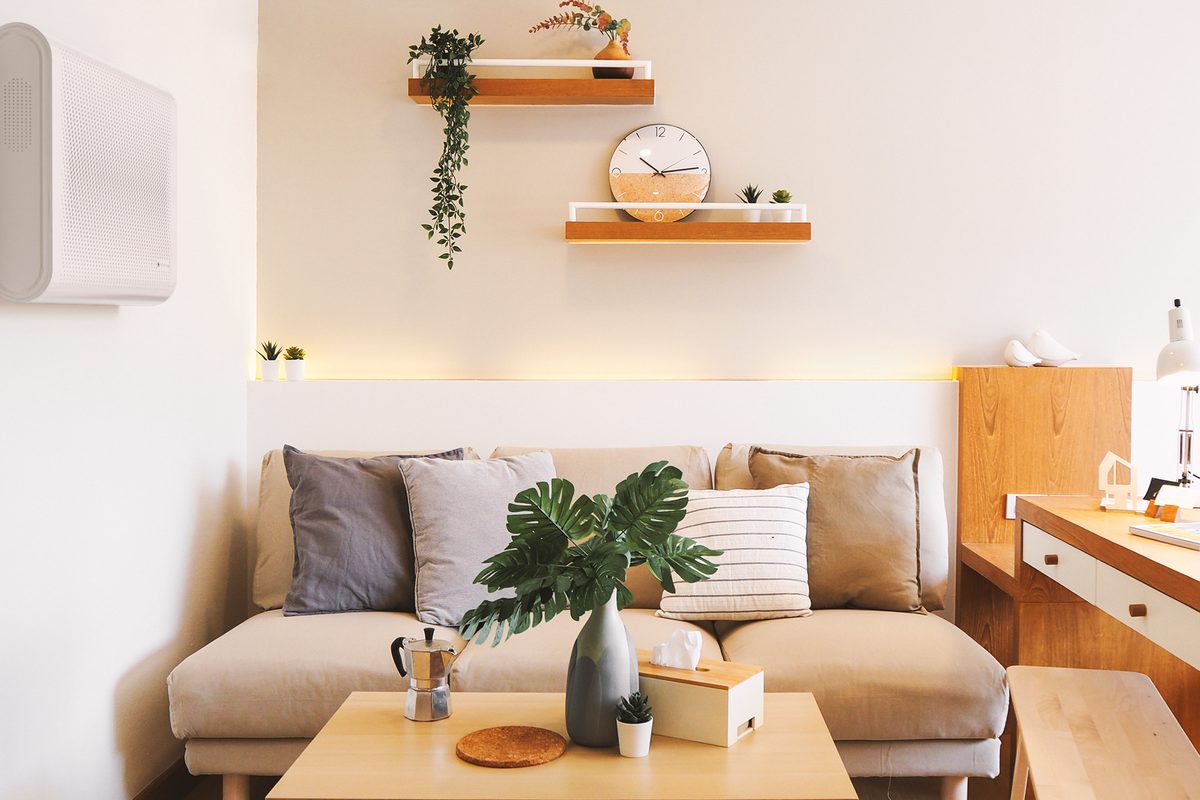
HEPA + Carbon Air Purifier
The dehumidifier releases the odour; this removes it from the air. Look for a carbon weight, not just a carbon dusting — spend carbon is the difference between working and decorative.
Check Price on Amazon →Setting it up properly
The setup is what turns a dehumidifier from a machine that runs into a machine that helps. Seven things, in priority order.
- Place it centrally in the room the pet uses most. Not in a corner, not in a cupboard.
- Set the humidistat to 45%. Not "maximum" — overdrying causes its own problems.
- Keep interior doors open if you are treating the whole flat, closed if you are treating one bedroom. Pick one strategy and size accordingly.
- Move the water bowl away from soft furnishings. Evaporation right under a sofa is the worst possible placement.
- Dry wet-walk towels and the dog's coat in one spot with the dehumidifier nearby, then remove them.
- Wash the pet bed weekly and put it somewhere the dehumidifier reaches while it dries.
- Empty the tank daily. A unit that has auto-cut-off is not working.
Done in that order, a mid-size unit will noticeably reduce pet odour in a small apartment. Skip the cleaning steps and you will conclude that dehumidifiers do not help — which is the single most common outcome of buying one for odour and expecting it to work alone.
Frequently asked questions
Will a dehumidifier help with pet odors?
What humidity should I set for pet odour?
Does a dehumidifier remove the smell of cat urine?
What size dehumidifier do I need for pet odour?
Is a dehumidifier or an air purifier better for pet smell?
Should I run a dehumidifier in the room where my pet sleeps?
Related guides
Does a Dehumidifier Get Rid of Dog Smell?
The components of dog odour and what removes each one.
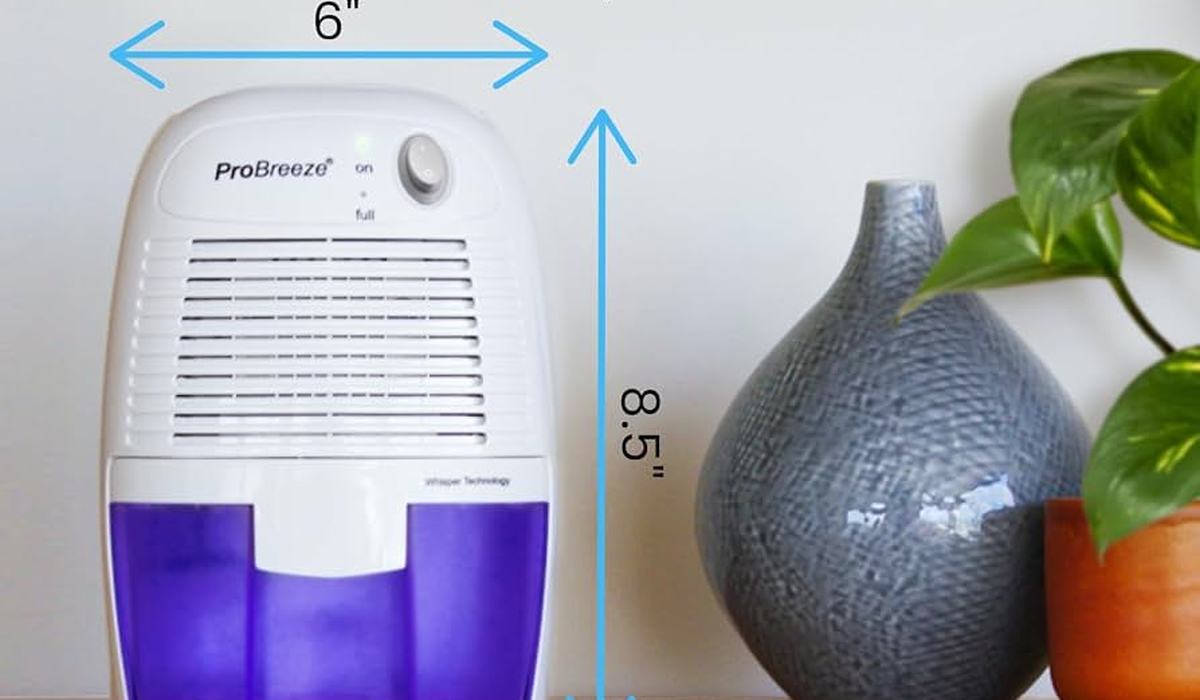
Does a Dehumidifier Eliminate Odors? By Odour Type
Musty, smoke, cooking and pet odours rated by how much a dehumidifier helps.
Do Dehumidifiers Remove Pet Odor? What Actually Works
The full apartment method for pet odour.