On this page
The rule that predicts the answer
There is one question that tells you whether a dehumidifier will help with any given smell: is the odour produced by something that grows in moisture?
If yes — mould, mildew, bacteria on damp fabric, a damp basement, wet carpet — the dehumidifier is doing the most direct possible thing. It removes the water that organism needs, the growth stops, and the odour stops being produced.
If no — tobacco smoke, frying oil, paint solvents, synthetic fragrance — the odour is a volatile chemical, and removing water from the air does nothing to it. A dehumidifier has no mechanism by which it could capture a smoke particle or a solvent molecule.
The confusion arises because both classes of smell exist in the same rooms, and because a dry room feels fresher whether or not the dehumidifier is responsible. Always separate the two.
Every common odour, rated
| Odour | Cause | Dehumidifier effect | Real fix |
|---|---|---|---|
| Musty / damp | Mould and mildew growth | Excellent | Dehumidifier + remove the source |
| Basement smell | Microbial growth on damp masonry | Excellent | Dehumidifier set to 50% |
| Mildew on fabric | Fungal growth in stored textiles | Excellent | Dry it out, then wash |
| Wet-dog smell | Bacteria on damp fur and fabric | Good | Dehumidifier + wash fabrics |
| Stale/musty carpet | Damp underlay | Good | Dry, then deep clean |
| Pet urine | Salts in carpet backing | Weak (indirect) | Enzyme cleaner |
| Cooking / frying | Volatile oils in the air | None | Extractor, carbon filter, ventilation |
| Tobacco smoke | Particulates and VOCs | None | Carbon + HEPA, ventilation, cleaning walls |
| New furniture / paint | Formaldehyde and solvents | None (heat can worsen it) | Ventilation, carbon, time |
| Air freshener | Added synthetic fragrance | None | Stop adding it; ventilate |
| Garbage / bin | Decomposing organic matter | None | Remove the source, seal the bin |
Musty and mildew smells — the sweet spot
This is where the dehumidifier is not merely helpful but the primary solution. A musty smell is the volatile signature of mould and mildew metabolising, and those organisms have a hard requirement: sustained relative humidity above roughly 60–70%. Remove the water and you remove the growth, and with the growth gone the odour has no producer.
Practically, that means a dehumidifier set to keep a room between 45% and 50% will resolve a musty smell that cleaning alone cannot, because cleaning removes visible growth while leaving the conditions that regrow it.
Two caveats. It only works if the moisture source is not active — a leak or a rising-damp wall will out-produce any domestic unit. And it takes days, not hours, because you are stopping a biological process rather than washing a surface.

Hygrometer / Humidity Monitor
The cheapest way to confirm you have actually solved a musty smell. If the room sits under 50% for a week and the smell persists, the source is somewhere you have not looked.
Check Price on Amazon →Smoke and cooking odours
Completely unaffected. Tobacco smoke deposits a layer of tar and nicotine on every surface, and that layer keeps releasing VOCs for months. Frying oil aerosolises and settles into soft furnishings. Neither process involves water in any way a dehumidifier can influence.
What actually works on smoke is a sequence: a carbon filter running continuously in the room, washing every washable surface including walls and curtains, and time. A HEPA layer helps with the particulate; carbon does the odour. Air purifiers sold for smoke odour need a meaningful carbon weight — a thin carbon cloth is not enough.
Pet odours
Mixed. The bacterial component of pet odour responds to humidity control, and the fabric-retention problem responds strongly. The urine-salt component does not respond at all.
In practice a dehumidifier takes you maybe a third of the way on pet odour, and it makes the remaining two-thirds cheaper and more effective. The full breakdown of that split is in the dedicated guides below.
Chemical and new-furniture odours
Formaldehyde, toluene, and the solvent smells of new furniture are volatile organic compounds, and a dehumidifier neither captures nor neutralises them. Worse, as covered above, a compressor unit's slight heat output can increase the rate at which they off-gas.
The correct response is ventilation, which actually removes the VOCs rather than circulating them, plus a carbon filter running in the affected room. Time is the other variable — most new-furniture off-gassing falls to a fraction of its peak within a few weeks.
Combining tools by odour type
Most apartments have two or three odour classes at once, which is why a single purchase never solves the whole problem. The table below is the shortest path: match the tool to the cause, and stop buying for the wrong one.
| If the smell is… | Buy this first | Add this second |
|---|---|---|
| Musty, damp, basement | Dehumidifier | Hygrometer |
| Mildew in stored clothes | Dehumidifier in the closet, or a moisture absorber | Ventilation |
| Pet odour | Enzyme cleaner | Dehumidifier + carbon purifier |
| Smoke | Carbon purifier | Washing every surface |
| Cooking | Extractor or window fan | Carbon filter |
| New furniture | Ventilation | Carbon filter (do not add heat) |
| Bin / garbage | Remove and seal the source | Carbon filter for residual |
Frequently asked questions
Does a dehumidifier eliminate odors?
Does a dehumidifier get rid of musty smell?
Can a dehumidifier remove cigarette smoke smell?
Why does my room still smell damp after buying a dehumidifier?
Is a dehumidifier or air purifier better for smells?
Can a dehumidifier make smells worse?
Related guides
Will a Dehumidifier Help With Pet Odors?
The mechanism, the 45% target and how to measure the change.
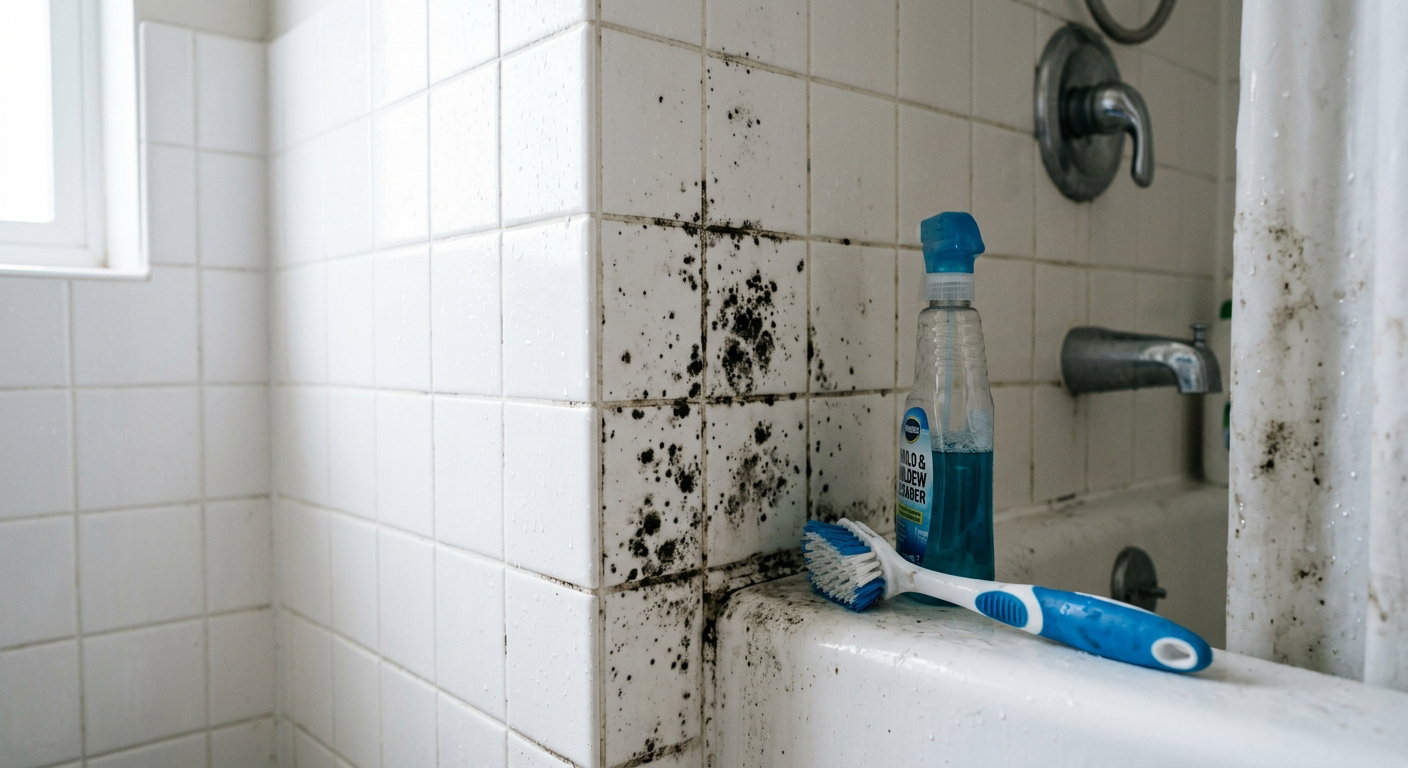
How to Get Rid of Musty Smell in an Apartment for Good
Find the source, fix the moisture, stop the return.
How to Get Rid of Mildew Smell in an Apartment
The fabric and closet problem, solved in order.