On this page
Can a window fan replace an exhaust fan?
Yes, in the right conditions. A window fan moves air out of the bathroom the same way an exhaust fan does — it just does it through the window instead of a duct. For a renter with a window that opens and no exhaust fan, it is the cheapest effective ventilation option available.
The conditions matter, though. A window fan only works if:
- The window opens and is big enough to seat the fan.
- You set the fan to exhaust, not intake.
- There is a gap for air to enter — usually the bathroom door, left slightly ajar.
Miss any one of those and the fan does little. A fan blowing the wrong way pushes humid air back into the room. A fan in a sealed room with no air gap just stirs the damp air around.
Exhaust vs intake: which direction
This is the single most common mistake. A window fan has two modes, and for a bathroom you almost always want exhaust — the fan blows air from inside the room out through the window.
| Mode | What it does | Use it for |
|---|---|---|
| Exhaust (blowing out) | Pulls humid bathroom air outside | After every shower — the default |
| Intake (blowing in) | Pushes outside air into the room | Cooling a hot room, not drying it |
| Exchange (one in, one out) | Twin fans moving air both ways | General air freshening |
Set it to exhaust, leave the bathroom door open a crack so replacement air can flow in, and run it for 20–30 minutes after each shower. That is the whole method.
How to size a window fan (CFM)
Size by airflow, measured in CFM (cubic feet per minute). ASHRAE 62.2 suggests roughly 50 CFM of exhaust for a standard bathroom and 100 CFM for a large one. A window fan rated at 100–200 CFM gives you enough headroom to run it on low, which keeps the noise down.
Do not oversize it. A 300 CFM fan in a tiny bathroom is loud and unnecessary. Match the fan to the room, and run it on the lowest setting that clears the steam.
Twin vs single window fans
| Type | Airflow | Noise | Best for |
|---|---|---|---|
| Single window fan | 50–120 CFM | Low–medium | Small bathrooms, narrow windows |
| Twin window fan | 100–250 CFM | Medium | Standard bathrooms, wider windows |
| Reversible twin fan | 100–250 CFM | Medium | Bathrooms that also need cooling |
| Clip-on fan | 30–80 CFM | Low | Very small windows, tight budgets |
A twin fan is the sweet spot for most bathrooms: enough airflow to clear the steam, and reversible models let you switch between exhaust and intake as the seasons change.
Setting it up without damaging the window
Renters need a setup that leaves no marks. Most window fans are designed for this.
- Use the expandable side panels. Most window fans come with sliding panels that grip the window frame without screws.
- Lower the sash onto the fan. The window itself holds the fan in place. No drilling, no brackets.
- Add foam weatherstrip if it rattles. A strip of self-adhesive foam on the frame stops vibration and is removable.
- Never screw into the frame. Screws leave holes that count as damage at move-out.
Running it in winter and rain
A window fan pulls in outside air along with the exhaust, so in winter it makes the bathroom cold and in rain it can let water in. Two adjustments help:
- Run it shorter in winter. Ten minutes is often enough when the outside air is cold and dry, because cold air holds less moisture.
- Close the window and switch to a dehumidifier in bad weather. A dehumidifier works with the window shut, so it is the better tool for rain, snow, and cold snaps.
This is why the best renter setup pairs a window fan with a dehumidifier: the fan for mild weather, the dehumidifier for everything else.
When a window fan is not enough
A window fan will not solve every bathroom. It is the wrong tool if:
- Your bathroom has no window, or a window that does not open.
- The window is a casement or awning type that cannot hold a fan.
- The bathroom is large and the fan cannot move enough air.
- The problem is persistent damp rather than shower steam — a leak or a building-wide humidity issue.
In those cases, a portable dehumidifier is the better primary tool, with the window fan as a supplement when the weather allows.
What to buy first
If your bathroom has a window that opens, a window fan is the cheapest effective ventilation you can buy. Set it to exhaust and run it after every shower.
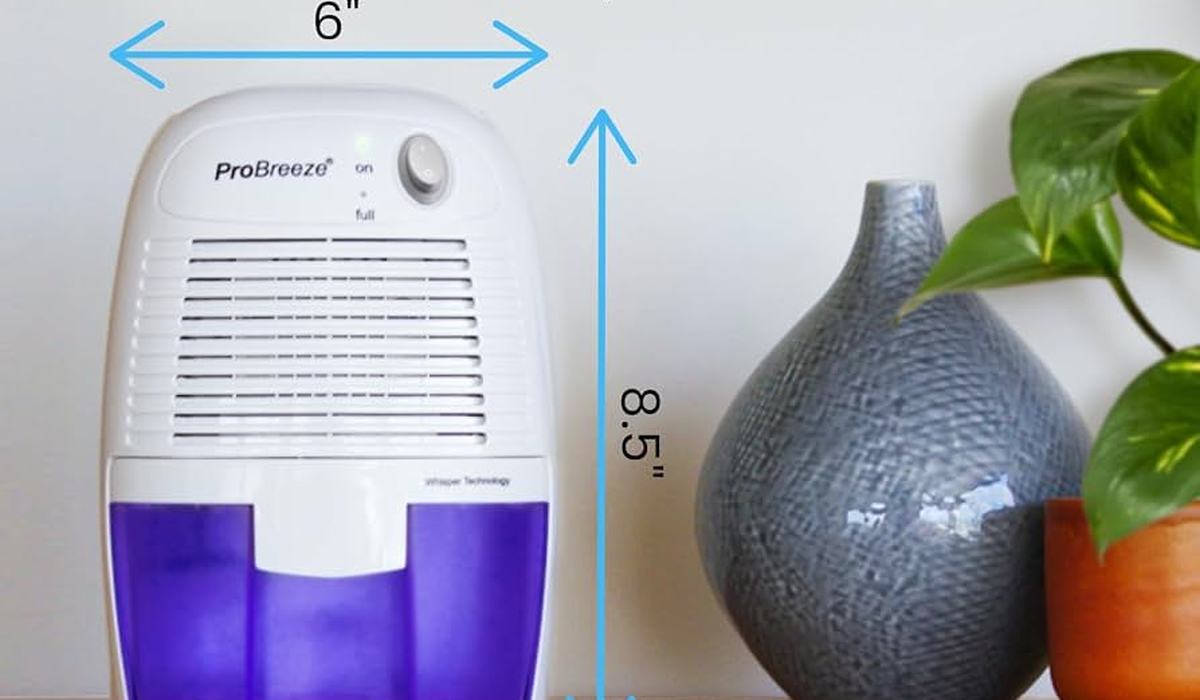
Window Fan for Bathroom Ventilation
Twin reversible fan that seats in the window with no screws. Set to exhaust and run after showers.
Check Price on Amazon →Pair it with a dehumidifier for the days you cannot open the window, and you have year-round bathroom ventilation for under $150.
Frequently asked questions
Can a window fan replace a bathroom exhaust fan?
Should a bathroom window fan blow in or out?
How many CFM do I need for a bathroom window fan?
Will a window fan damage my rental window?
What if my bathroom window does not open?
Related guides
Portable Bathroom Ventilation: 6 Renter Options
No wiring, no drilling — compare the portable options.
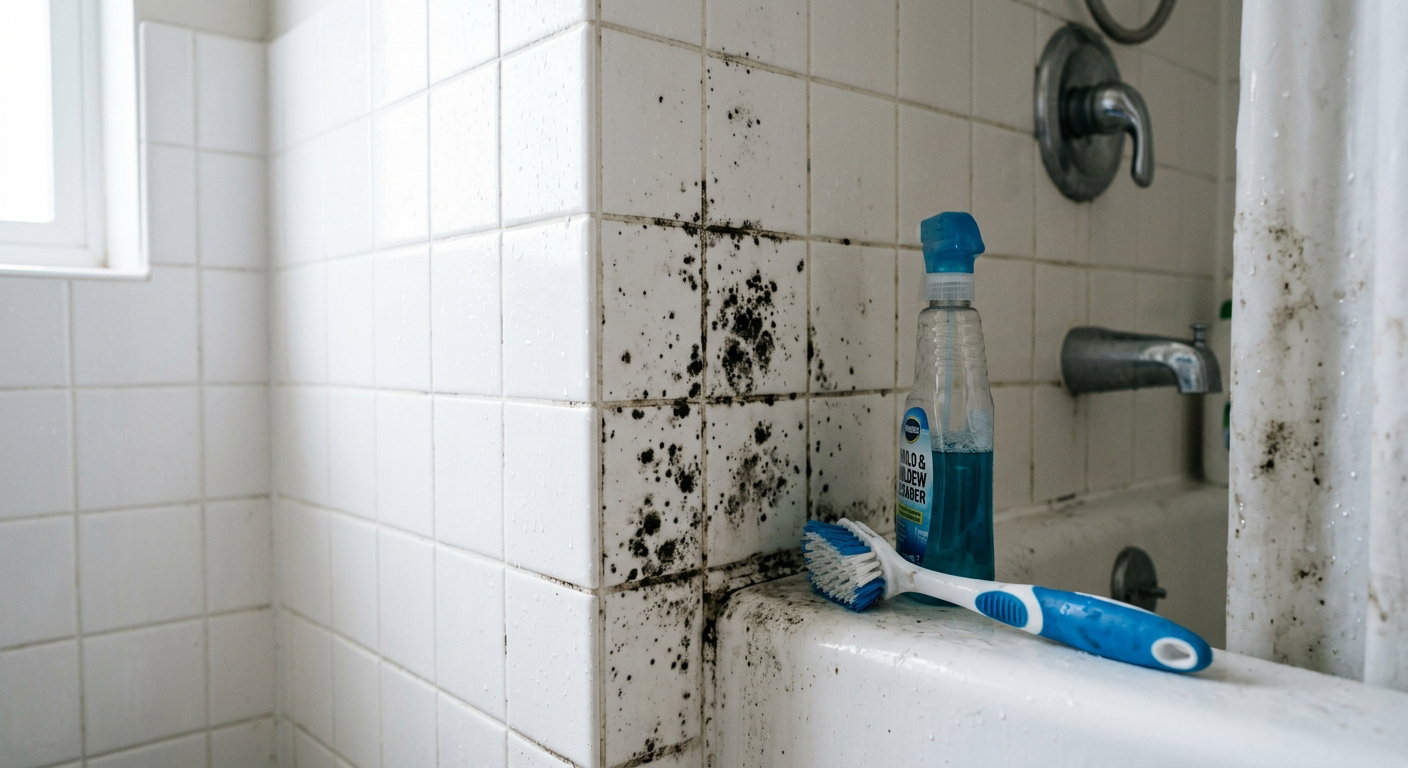
How to Vent a Bathroom With No Outside Access
No duct, no roof access, no drilling — how to dry it anyway.
No Window in the Bathroom? How to Vent It
Renter-friendly ways to dry a sealed bathroom without drilling.