
On this page
1. The unit is too small for the room
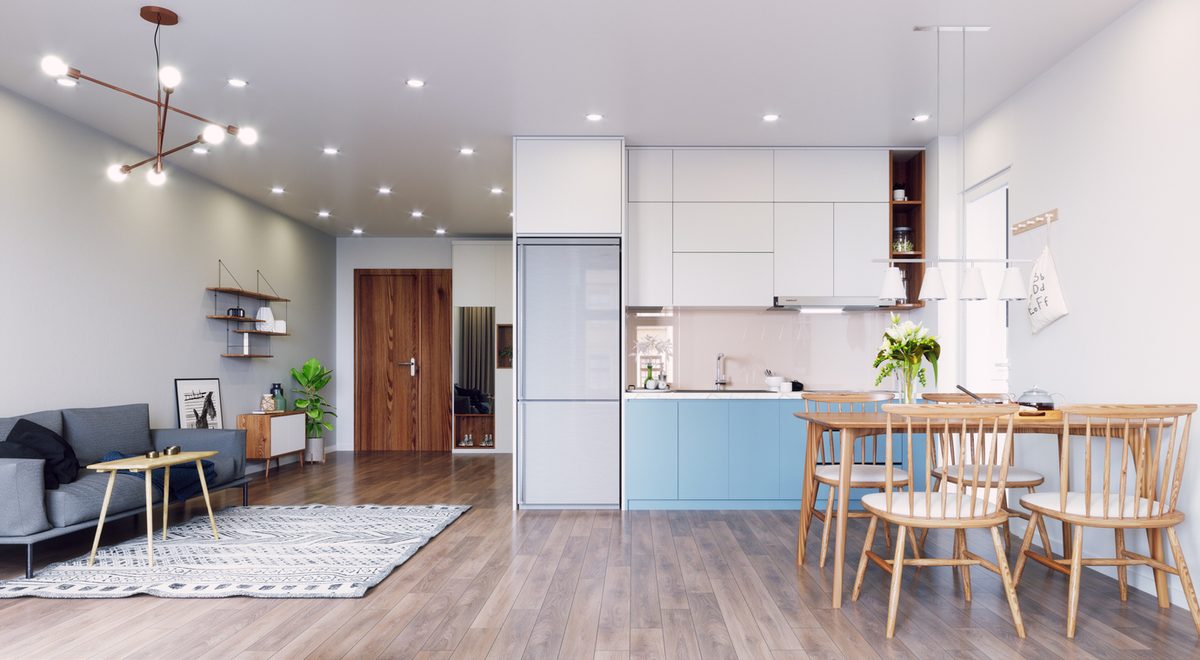
The single most common reason a purifier seems to do nothing is that its clean-air delivery rate is too low for the volume it is trying to clean. A unit rated for 200 square feet will not clear a 500 square foot open-plan flat, no matter how long it runs. Match the CADR to the room: for smoke, the CADR should be at least two-thirds of the floor area in square feet; for dust and pollen, the same figure works as a floor. If CADR is a new term, start with what CADR means.
2. It is placed where air cannot reach it
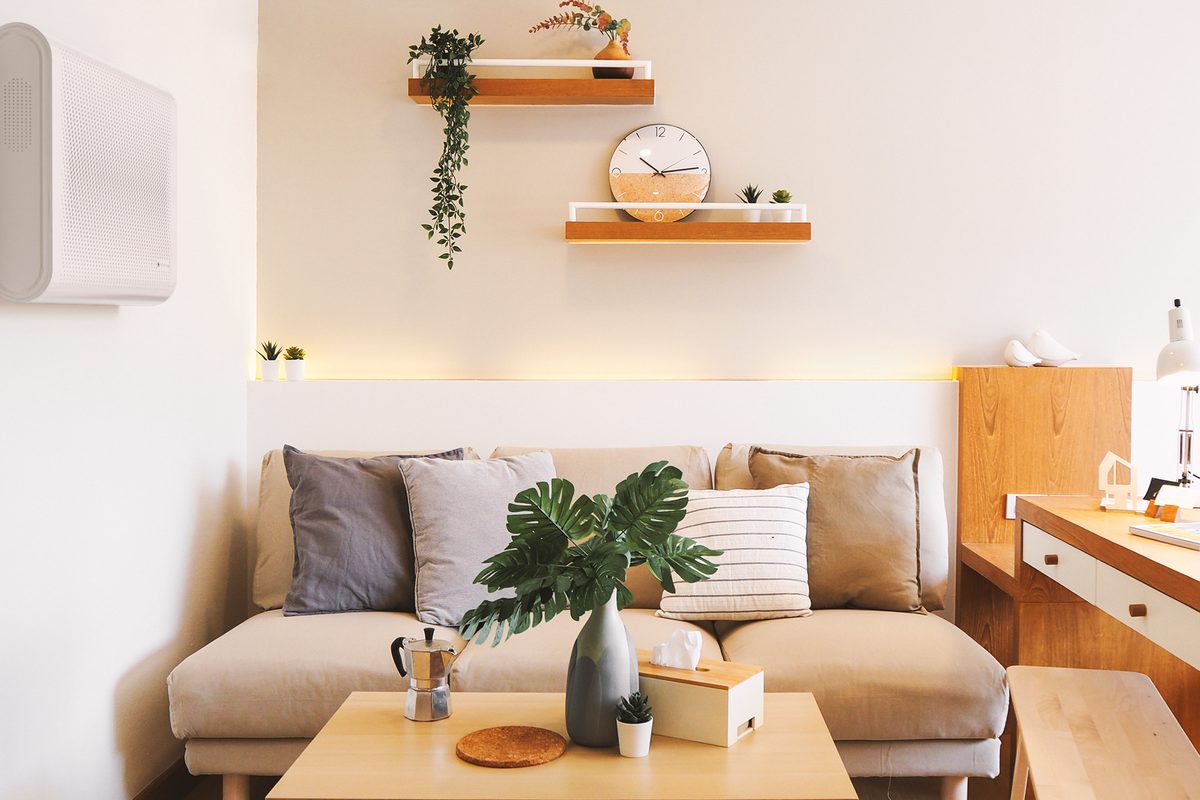
A purifier only cleans the air that passes through it. Tucked into a corner behind a sofa, against a wall with no clearance, or inside a closed cabinet, it recirculates the same small pocket. Give it at least a foot of clearance on all sides, keep it off the floor if the intake is low, and place it so its output blows across the room rather than into a wall.
3. The filter is clogged or not genuine
A packed filter drops airflow long before the light turns red, so it pays to know which filter layers are washable. Hold it to a light: if you cannot see through the pleats, it is done. Counterfeit and generic cartridges are a second trap — they often fit but use a thinner media that lets fine particles straight through. Use the manufacturer's filter or a certified equivalent.
4. Air is bypassing the filter
If the cartridge is not seated properly, or the foam gasket around it has compressed, air takes the easy path around the media instead of through it. The unit sounds like it is working and moves plenty of air, but almost none of it is filtered. Reseat the cartridge, check the gasket, and make sure any pre-filter is fitted the right way round.
5. The sensor is dirty or the monitor is wrong
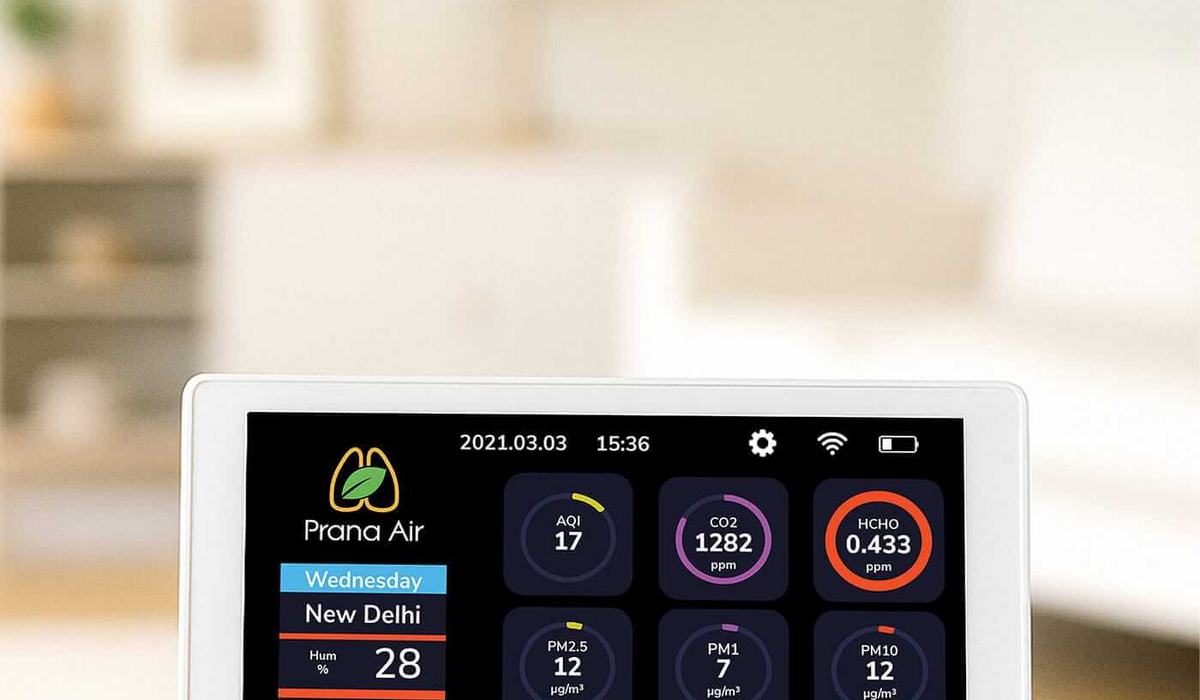
If you are judging by the unit's own light, remember that the sensor can be fooled — a stuck red light has its own causes, covered in what a red light means. A dusty sensor reads high permanently; a sensor in a draught reads low. Cross-check with a separate particle monitor before concluding the purifier has failed. If the two disagree, clean the sensor intake and re-test.
6. There is a continuous source
A purifier removes particles from air; it does not stop them being produced — the same limit that applies to dust in a nursery. A candle, a smoker, an unvented gas hob, a damp wall or a pet that sheds constantly will keep loading the room faster than a small unit can clear it. Find and reduce the source, then let the purifier catch up.
7. It is not running long enough
Air changes take time. A room needs several complete air exchanges to drop from a high particle load to a low one, and that means running the unit on high for a while, not on low for ten minutes. For a persistent problem, run it continuously for a few days before judging the result.
How to prove it is working
Use a separate particle monitor and take a reading before and after a thirty-minute run on high in a closed room, the test set out in how to tell if your purifier is working. A working purifier in a correctly sized room will show a clear drop. If the number does not move, work back up the list — the cause is almost always sizing, placement or a bypassing filter.
None of these seven fixes requires a new purifier. Most people who think their unit has failed simply have it in the wrong place, with the wrong filter, in a room it was never sized for.
Sources: AHAM (CADR certification program), U.S. EPA (Residential Air Cleaners guide; ozone generator warning), ASHRAE Standard 62.2 (residential ventilation), WHO Environmental Noise Guidelines (night-time bedroom levels), American Academy of Pediatrics (safe sleep and cord safety).
Measuring the improvement properly
Most people judge a purifier by feel, which is unreliable. Smell adapts within minutes, and dust you can see is the coarse fraction the purifier is least concerned with. To know whether the unit is working, measure particles, not impressions.
Take a baseline reading with a particle monitor in the middle of the room, windows closed, unit off. Then run the unit on high for thirty minutes and read again in the same spot. A working purifier in a correctly sized room will show a clear, repeatable drop. If the number barely moves, the cause is on the list above — most often sizing, placement or a bypassing filter.
What a realistic improvement looks like
Do not expect a purifier to take a room to zero. Outdoor air carries particles in every time a door opens, and indoor sources keep producing. A realistic result is a large drop from a high baseline to a low one, held there while the unit runs. If you are chasing a perfect zero, you will always be disappointed; if you are chasing a sustained low level, a correctly set-up purifier delivers it.
Frequently asked questions
Why is my air purifier not removing dust?
How long should an air purifier take to improve air quality?
Can a dirty filter stop a purifier working?
Does an air purifier help with smells?
Why does my purifier say the air is clean but I still smell something?
Related guides
Air Purifier CADR Meaning: What It Means
The one number that decides if a unit is big enough.