On this page
Why drilling is off the table in a rental
Drilling into a wall or ceiling in a rental is a lease breach in most agreements. Even a small hole for a fan bracket or a hook counts as an alteration, and landlords routinely deduct for patching and repainting at move-out. Worse, a hole in a bathroom wall can breach a moisture barrier, which turns a cosmetic deduction into a repair claim.
So the rule for renters is simple: ventilate the bathroom without making a single hole. That sounds limiting, but it is not. Every effective renter-friendly ventilation method is freestanding or removable, and none of them require touching the structure.
The no-drill ventilation toolkit
| Tool | How it mounts | Moisture removed | Cost |
|---|---|---|---|
| Portable dehumidifier | Freestanding on the floor | High | $60–$200 |
| Window fan | Seated in the window sash | Medium | $20–$60 |
| Door-gap cross-flow fan | Freestanding on the floor | Low | $15–$40 |
| Moisture absorber | Freestanding tub or hook | Low–medium | $10–$25 |
| Squeegee | Handheld | Medium | $5–$12 |
| Over-door hook fan | Hangs on the door top | Low | $15–$35 |
Every item in that table either sits on the floor, hangs on a door, or seats in a window. None of them require a screw, a bracket, or a wall anchor.
Tension rods, suction mounts and removable tape
If you need to mount something — a small fan, a hook for a moisture absorber, a curtain to keep steam contained — these three methods hold without drilling:
- Tension rods. A spring-loaded rod between two walls holds a light curtain or a hanging absorber. It leaves no mark and comes down in seconds.
- Suction mounts. Suction cups with hooks hold light items on tile or glass. They fail on painted or textured walls, so use them on the shower surround, not the ceiling.
- Removable adhesive strips. Command-style strips hold a few pounds and remove cleanly if you pull the tab slowly. Do not use them on fresh paint or above a heat source.
Door-gap and cross-flow tricks
Airflow is free, and it needs no mounting at all. The trick is to give the air a path.
- Leave a door gap. A 1–2 inch gap at the bottom of the bathroom door lets replacement air in while a fan pushes humid air out.
- Use a door-gap fan. A small freestanding fan on the floor at the doorway, angled to push air out, carries moisture toward a room with a window.
- Open a window in the next room. The humid air follows the airflow and leaves through that window.
- Do not block the gap. A towel stuffed under the door stops the airflow that makes the whole system work.
Dehumidifier placement without wall mounts
A dehumidifier needs no mounting at all — it just needs the right spot. Place it in the middle of the bathroom floor, not in a corner, with at least 6 inches of clearance on all sides so air can circulate. Close the door so it works on the bathroom air rather than the whole flat.
If floor space is tight, look for a unit with a small footprint and a carry handle so it can live in a closet between uses. Some models can sit on a shelf, but check the manual — a dehumidifier that tips can leak its tank.
What leaves marks (and how to avoid them)
| Method | Leaves a mark? | How to avoid it |
|---|---|---|
| Freestanding device | No | Nothing to do — the safest option |
| Tension rod | No | Wipe the wall ends before removing |
| Suction mount | No | Use on tile or glass only |
| Removable adhesive strip | Sometimes | Pull the tab slowly, parallel to the wall |
| Screw or wall anchor | Yes | Do not use in a rental |
| Drilled fan bracket | Yes | Do not use in a rental |
Move-out checklist
Before you hand back the keys, run this list so nothing surprises you at the deposit stage.
- Remove every adhesive strip slowly, pulling the tab parallel to the wall.
- Wipe the wall ends of tension rods to remove any rubber residue.
- Clean the bathroom — especially the grout and silicone, where mould shows first.
- Photograph the bathroom on the day you leave, matching the photos you took on move-in day.
- Keep your dehumidifier. It moves with you and works in the next flat too.
What to buy first
For a no-drill setup, the dehumidifier is the core purchase. It is freestanding, needs no mounting, and removes water from a sealed room — the one thing a fan cannot do.
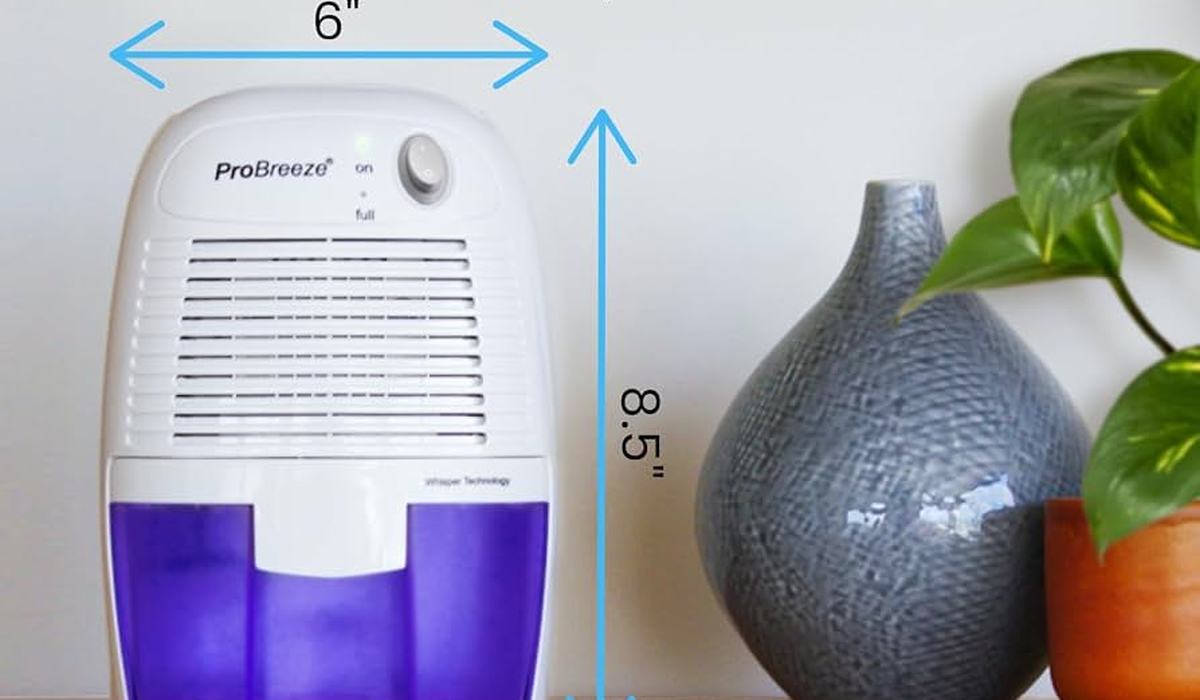
Freestanding Dehumidifier for Rentals
No mounting, no drilling, no marks. Just plug it in and dry the room.
Check Price on Amazon →Add a squeegee and a door-gap fan, and you have a complete no-drill ventilation system for under $150 that leaves the bathroom exactly as you found it.
Frequently asked questions
How do I ventilate a bathroom without drilling?
Can I mount a fan in a rental without drilling?
Will a dehumidifier leave marks on the wall?
What is the safest no-drill ventilation for a rental?
How do I avoid losing my deposit over bathroom ventilation?
Related guides
Portable Bathroom Ventilation: 6 Renter Options
No wiring, no drilling — compare the portable options.
Window Fan for a Bathroom: How to Vent Without a Fan
How to choose, place, and run one in a rental.
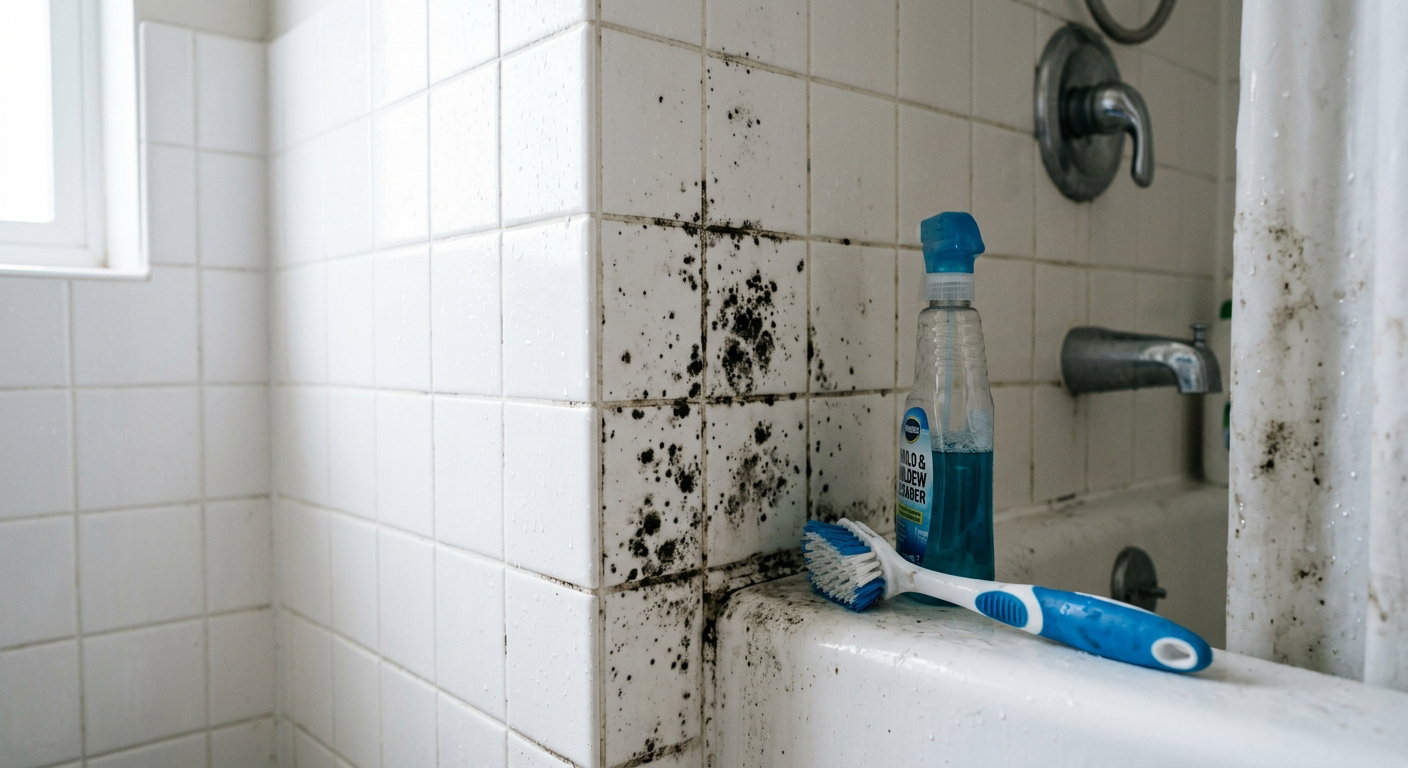
No Exhaust Fan in Your Rental Bathroom? What to Do
Your rights, what to ask the landlord, and the fixes you can make today.