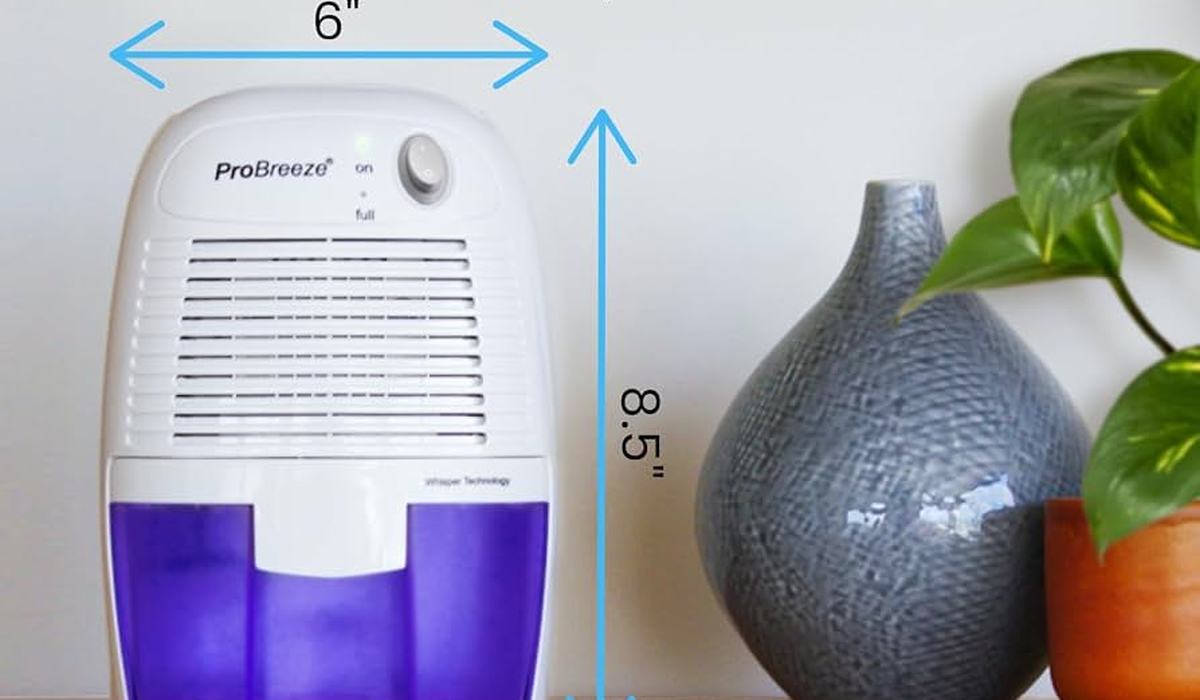
A dehumidifier pulls hundreds of gallons of water out of the air over a season, and everything it pulls out passes through the filter and coils. That is why a neglected unit starts to smell like the inside of a damp cupboard.
Cleaning is a 30-minute job, and it pays for itself twice: the unit removes more water per hour with a clear filter, and it stops blowing mould spores back into the room it is supposed to be drying.
On this page
Why cleaning matters
Airflow is everything to a dehumidifier. The unit removes water only from the air that actually passes over the coils. A dusty filter restricts that airflow, so the compressor runs longer and removes less water for the wattage.
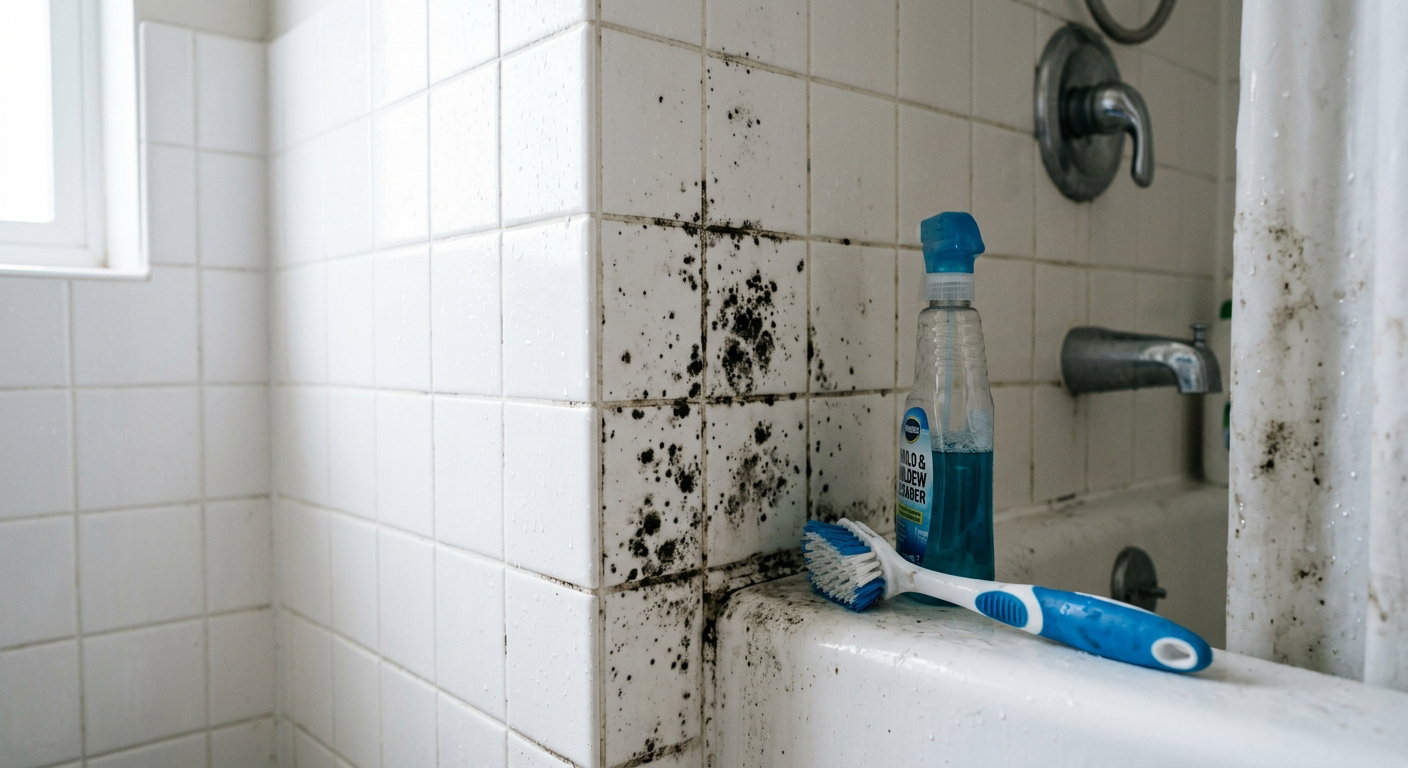
The second problem is biological. The coils and tank stay wet, warm and dark, which is the ideal condition for mould and bacteria. A dirty unit does not just fail to dry the room — it can seed it.
The filter, monthly
Most units have a washable foam or mesh filter behind a grille on the back or side. Some have a finer filter that should be replaced rather than washed.
- Unplug the unit first. Every cleaning step starts here.
- Remove the filter per the manual — usually a slide-out tray or a clip-on panel.
- Vacuum the loose dust with a brush attachment.
- Rinse under warm water if the manual says it is washable, and let it dry completely before refitting.
- Replace, do not wash, any filter described as disposable or HEPA-type.
A dry filter is critical. Refitting a damp foam filter is how units start to smell, because the moisture in the filter never gets a chance to dry.
The coils, twice a year
The evaporator coil is the cold, finned block where the water condenses. It sits behind the filter, and it accumulates a fine mat of dust and biofilm over a season.
- Unplug and remove the filter. You need clear access to the finned coil.
- Vacuum gently with a soft brush along the direction of the fins, not across them.
- Use a coil brush or a soft paintbrush for the dust the vacuum misses.
- If the manual allows it, spray a coil-safe cleaner and let it drain into the tank.
- Never bend the fins. They are soft aluminium and a bent fin blocks airflow permanently.
The tank and drain line
The tank is where the slime grows, because it holds standing water between cycles.
- Empty the tank after each run rather than letting water sit in it.
- Wash weekly with warm water and a drop of mild dish soap.
- For a slimy tank, fill it with a 1:1 white vinegar and water mix and leave it 30 minutes, then rinse.
- Dry it upside down so no film of water remains.
- Flush the drain hose monthly if you use a continuous drain — pour vinegar through it and let it run clear.
The drain hose is the most commonly forgotten part, and it is a favourite place for biofilm. If your continuous drain has developed a smell, the hose is usually the cause.
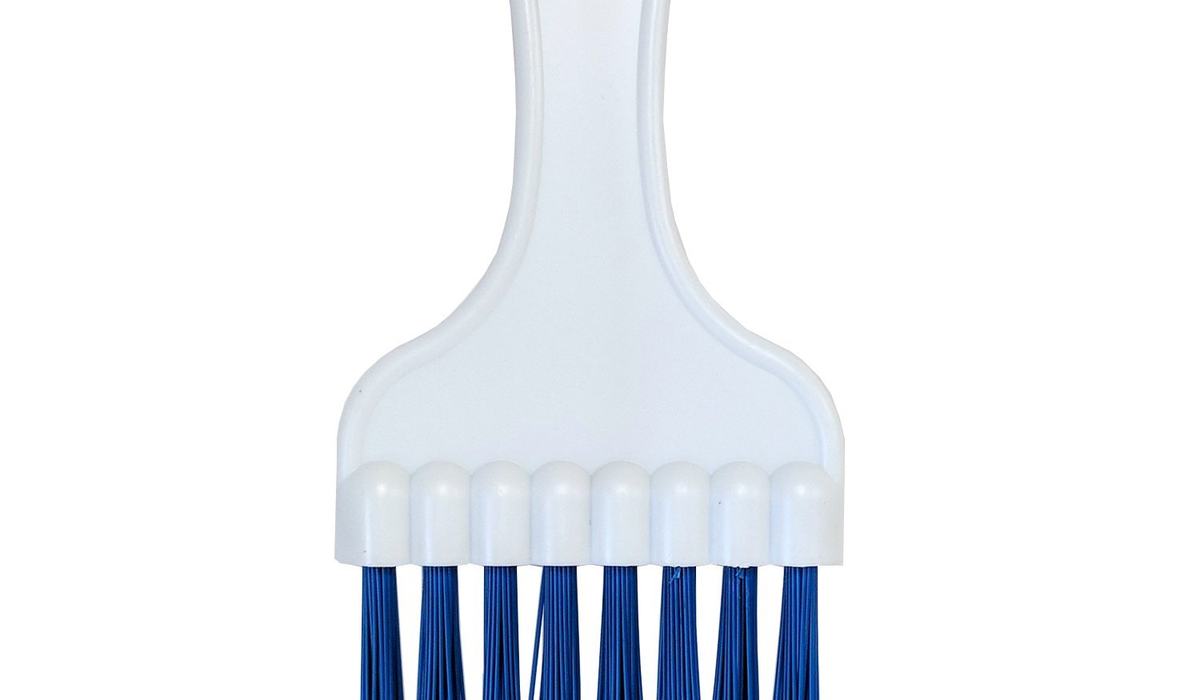
Soft Coil Cleaning Brush
A soft brush clears the fin mat without bending the aluminium. The cheapest way to restore lost airflow.
Check Price on Amazon →The full 30-minute routine
| Interval | Task | Time | Why |
|---|---|---|---|
| Weekly | Empty and rinse the tank | 2 min | Stops slime and odour |
| Monthly | Wash or vacuum the filter | 5 min | Restores airflow and efficiency |
| Monthly | Flush the drain hose with vinegar | 3 min | Kills biofilm in the line |
| Twice a year | Vacuum and wipe the coils | 15 min | Removes the dust mat |
| Twice a year | Wipe the exterior and grilles | 3 min | Keeps vents clear |
| Twice a year | Check the power cord and plug | 2 min | Catches heat damage early |
Total time across a year is under two hours, spread over the season. Skipping the filter alone can cost you a third of the unit's water removal.
What the smell tells you
| Smell | Likely source | Fix |
|---|---|---|
| Musty, earthy | Coils or tank biofilm | Clean coils, vinegar-rinse tank |
| Sour, like old washing | Drain hose biofilm | Flush hose with vinegar, replace if stubborn |
| Chemical or plasticky | New unit breaking in, or overheating | Normal for a week; if it persists, stop using it |
| Burning | Electrical fault | Unplug immediately and do not reuse |
| Wet-dog smell in the room | The source is elsewhere, not the unit | See our pet odour guides |
A burning smell is the one that is never a cleaning problem. Unplug the unit and stop using it. Electrical faults in dehumidifiers have been the subject of manufacturer recalls, and a burning smell is the warning sign.
The apartment angle
Small apartments make cleaning matter more, not less. A dehumidifier in a 300 sq ft studio is moving the same air over and over, so a dirty filter affects the whole room quickly.
- Clean outdoors if you can. Vacuuming a dusty filter inside a small apartment just redistributes the dust you were trying to remove. Take it to a balcony or shake it into a bag.
- Dry parts fully before refitting. In a small, humid room a damp filter may never dry, and the smell starts there.
- Keep the unit clear of walls and curtains. A dehumidifier needs airflow around it; blocking the intake because the room is small is a common mistake in studios.
- Do not store it wet. If the unit goes into a closet between seasons, clean it, empty the tank and let everything dry for a day first.
Frequently asked questions
How often should I clean my dehumidifier?
Can I wash the dehumidifier filter?
Why does my dehumidifier smell musty?
Can I use vinegar to clean a dehumidifier?
What should I never get wet on a dehumidifier?
Related guides