On this page
Why ice costs you money
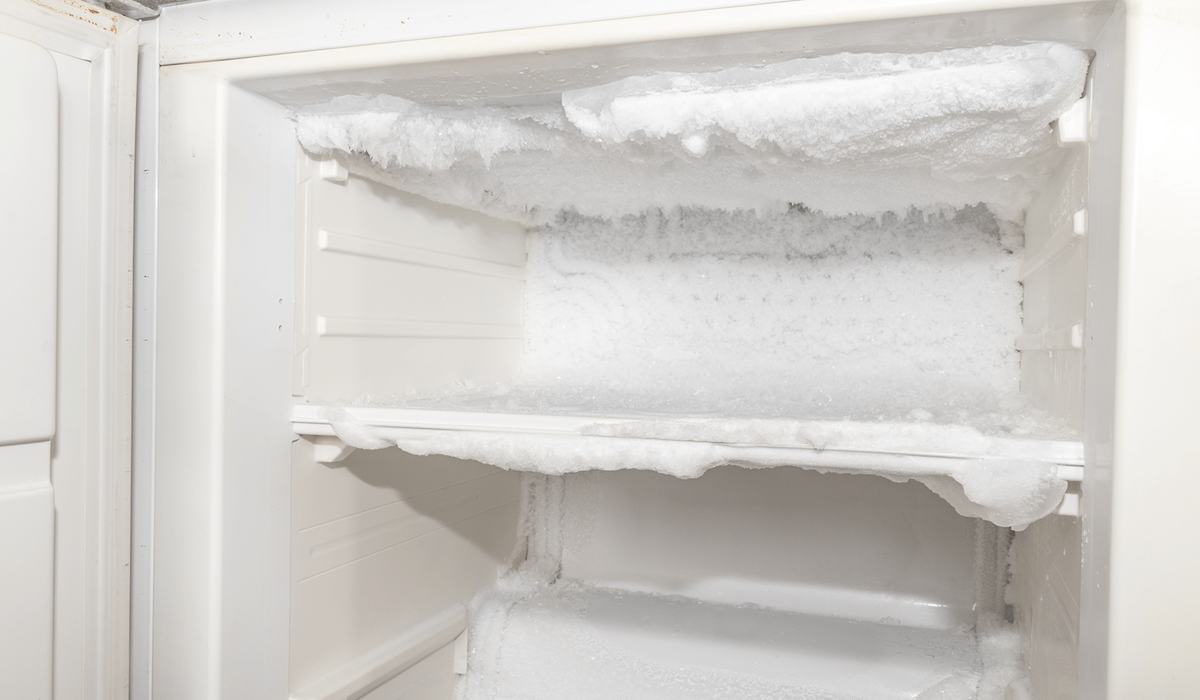
Frost is an insulator. Every quarter-inch of ice on the evaporator coils makes the compressor work harder and run longer to hold temperature. In a manual-defrost freezer, a heavy frost layer can raise energy use by 25–35% and shorten the compressor's life.
It also steals space. In a small apartment freezer, ice on the walls can cost you a third of the usable volume — which is the whole reason you bought a small freezer in the first place.
Most manual-defrost freezers need defrosting when the frost reaches about a quarter inch. If you can no longer see the freezer wall, you are overdue.
The 5-step method
- Empty and unplug. Move food to a cooler with ice packs, or to a neighbour's freezer. Unplug the unit — do not just turn the dial to off.
- Open the door and add heat. Put bowls of hot (not boiling) water on the shelves and close the door for 15 minutes at a time. The steam does most of the work.
- Speed it up with a fan. Point a desk fan into the open freezer. Moving air melts frost far faster than still air.
- Wipe, do not chip. As the frost softens, wipe it away with a warm cloth. Never use a knife, screwdriver or ice pick.
- Dry and restart. Wipe the interior completely dry, plug the unit back in, and let it reach temperature for 30–60 minutes before returning food.
What never to use
| Method | Safe? | Why |
|---|---|---|
| Bowls of hot water | Yes | Steam melts frost gently |
| Desk fan | Yes | Moves air, speeds melting |
| Hair dryer (low, moving) | Caution | Keep it moving; never hold it in one spot |
| Knife / ice pick | Never | Punctures the evaporator coils |
| Boiling water poured in | Never | Cracks plastic liners and shelves |
| Hammer / chisel | Never | Same as knife, with more force |
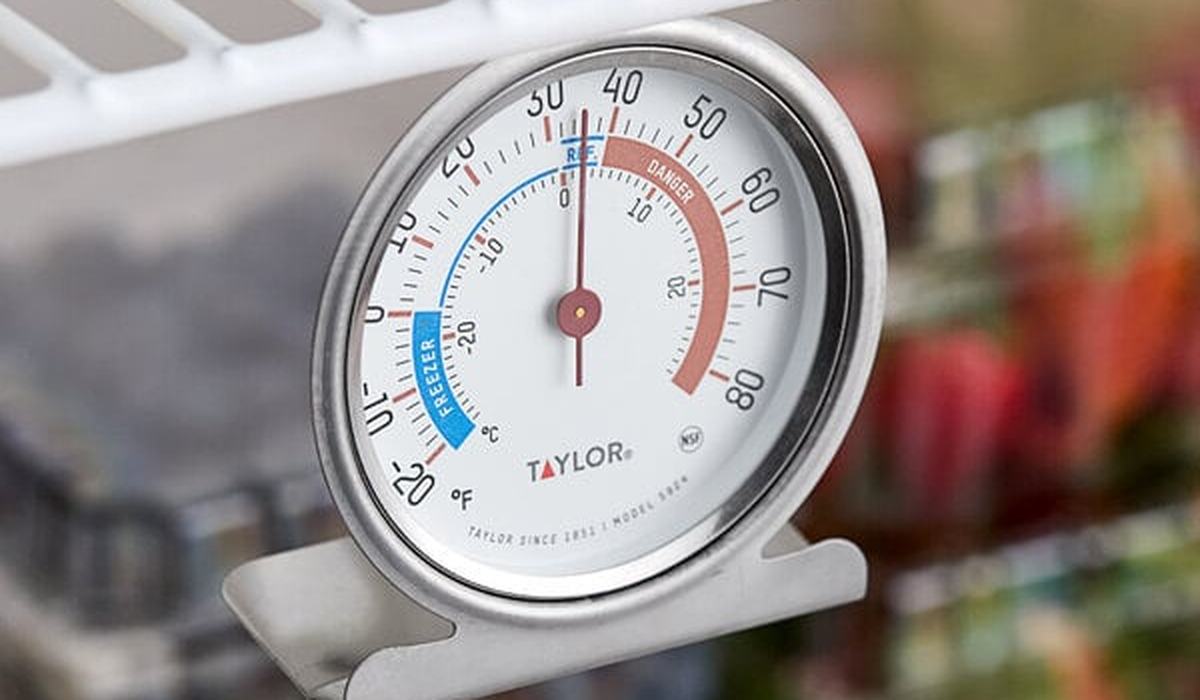
Freezer Thermometer
Confirm the freezer is back to 0°F before you return food. A cheap thermometer prevents a costly mistake.
Check Price on Amazon →Stop it coming back
Frost builds fastest when warm, moist air gets into the freezer. In an apartment, three habits make the biggest difference:
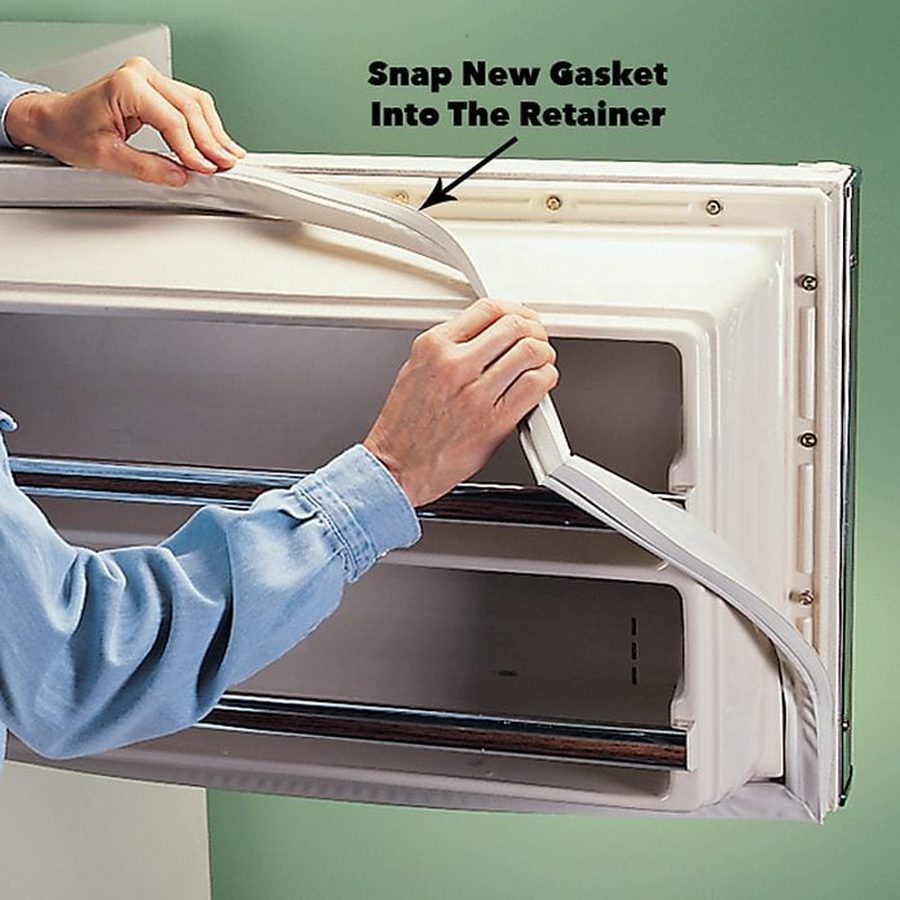
- Check the door gasket. Close the door on a dollar bill at four points. If it slides out easily, the seal is failing and warm air is getting in. A $15–$40 gasket is the fix.
- Do not put warm food straight in. Let leftovers cool to room temperature first. Warm food releases a burst of moisture that freezes onto the walls.
- Keep the freezer reasonably full. A full freezer holds cold better and frosts more slowly. If it is nearly empty, fill the gaps with water bottles.
- Close the door properly. A door left ajar for an hour on a humid day can add visible frost.
When to defrost, and when to wait
Defrosting is disruptive, so pick the moment. The right time is when the frost reaches a quarter inch — and on a day you will be home for a couple of hours.
| Frost level | Action |
|---|---|
| A light dusting | Wait — no action needed |
| About 1/8 inch | Plan a defrost in the next few weeks |
| About 1/4 inch | Defrost now — efficiency is dropping |
| Thick, visible ice | Defrost immediately — the compressor is working hard |
Do not defrost in the middle of a heatwave with a full freezer, and do not do it the day before a grocery shop. The best time is when the freezer is already partly empty.
What to do with the food
The food is the reason people put off defrosting. Plan for it:
- Use a cooler. A well-packed cooler with ice packs holds frozen food safely for 4–6 hours — longer than a defrost takes.
- Group the food tightly. Frozen items keep each other cold. A loosely packed cooler warms faster than a full one.
- Cook from the freezer first. If you have items you were going to cook soon anyway, defrost day is the day to use them.
- Do not refreeze thawed food. If something has fully thawed, cook it rather than putting it back.
After the defrost
Once the freezer is dry and back to temperature, take two minutes to prevent the next defrost from being as bad:
- Check the door gasket with the dollar-bill test.
- Wipe the door seal with a damp cloth to remove sticky residue.
- Level the freezer if the door does not close on its own.
- Note the date so you know when the next defrost is due.
The fast method, step by step
A manual defrost takes one to two hours if you do it properly. Rushing it with a knife is how people puncture the cooling coils and write off the freezer.
- Unplug the freezer and move the food to a cooler.
- Remove the shelves and drawers and put them in the sink.
- Boil a pot of water and place it on a towel inside the freezer, door closed.
- Wait 15 minutes, then remove the pot and the loosened ice.
- Repeat with fresh boiling water until the ice is gone.
- Wipe dry and leave the door open for 30 minutes before restarting.
The boiling-water method is far faster than waiting for the freezer to warm up on its own, and it uses no tools that can damage the coils. Never use a knife, screwdriver or ice pick — a single puncture of the evaporator coil means the freezer is scrap.
Speeding it up safely
| Method | Speed | Safe? |
|---|---|---|
| Boiling water in the freezer | Fast | Yes |
| Fan blowing into the freezer | Medium | Yes |
| Hair dryer on low, moving | Fast | Yes, if kept moving |
| Hair dryer held in one spot | Fast | No — can crack plastic |
| Knife or ice pick | Fast | No — punctures coils |
| Hot water poured directly | Fast | No — cracks the liner |
A hair dryer on the low setting, kept moving, is the fastest safe method. The danger is holding it in one place, which softens and cracks the plastic liner. Keep it at least six inches from the surface and keep it moving.
Preventing the next defrost
Frost builds fastest when warm air gets in. Three habits cut the frequency dramatically: check the door gasket with the dollar-bill test, make sure the door closes on its own, and never put warm food straight into the freezer. A freezer that frosts up in a month has an air leak, not a defrost problem.
Frequently asked questions
How long does it take to defrost a freezer?
Can I use a hair dryer to defrost a freezer?
How often should I defrost a manual freezer?
What happens if I puncture the freezer wall?
Do I need to unplug the freezer to defrost it?
Related guides