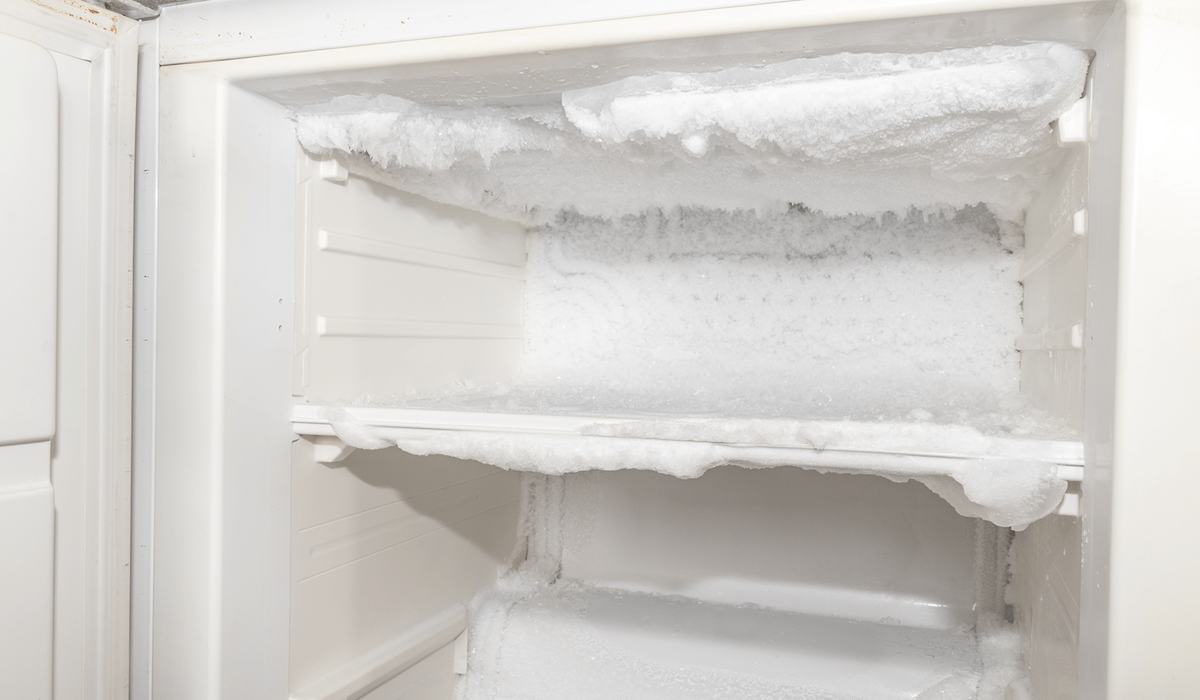
Frost forms when warm, moist air meets a cold surface. In a freezer that is normal in small amounts, but a thick layer of ice on the back wall, or frost creeping around the door frame, means too much moisture is getting in or the freezer is not clearing it the way it should.
The good news is that the causes are limited and you can narrow them down quickly. This guide walks through the six real causes in the order you should check them, from the free fix to the one that needs a part.
On this page
The six causes at a glance
| Cause | Where the frost is | Fridge temp | Difficulty |
|---|---|---|---|
| Door gasket leak | Around door edges, front | Normal | Easy |
| Defrost heater failed | Thick ice on back wall | Warm | Medium |
| Defrost thermostat failed | Thick ice on back wall | Warm | Medium |
| Defrost timer / control failed | Ice on coils, fan noise | Warm | Medium |
| Door left open / blocked | Even layer, front | Normal | Easy |
| Ice chute flap stuck | Around dispenser | Normal | Easy |
1. Door gasket — check this first
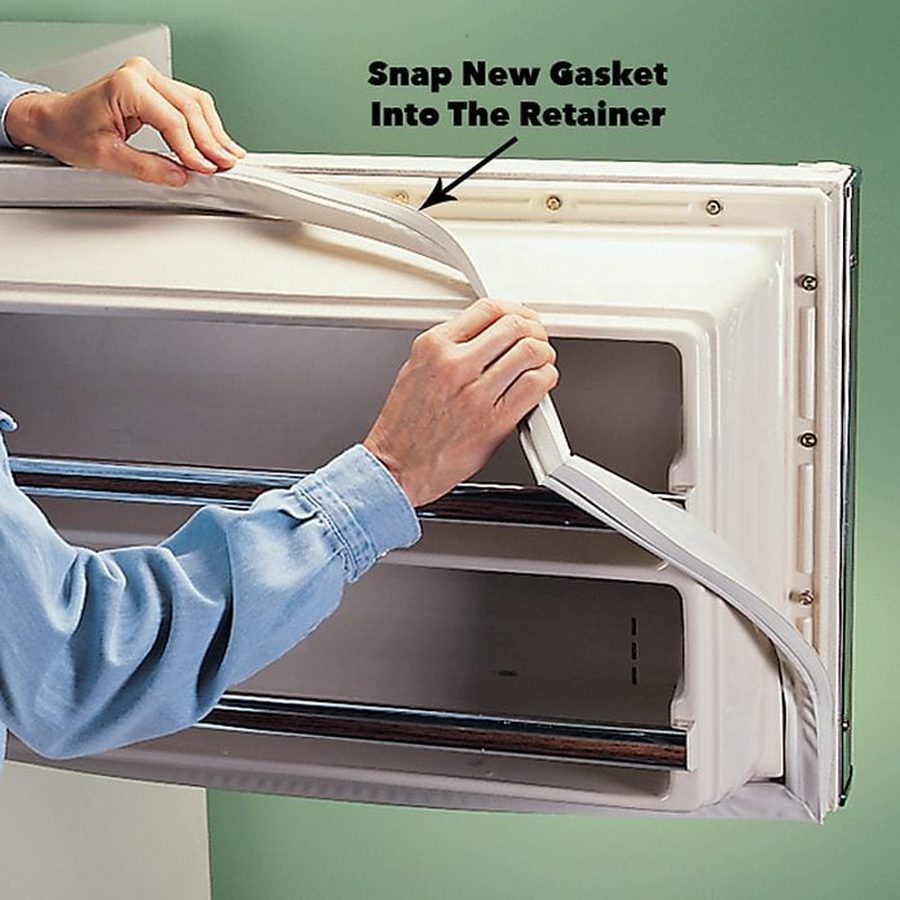
The door gasket is the rubber seal around the door. When it hardens, warps or tears, humid room air leaks in, condenses on the cold surfaces and freezes. It is the most common cause of frost and the easiest to test.
The dollar-bill test takes thirty seconds: close the door on a dollar bill so half is inside and half is out, then try to pull it free. Do this at several points around the door.
- Firm resistance at every point — the gasket is sealing.
- Slides out easily at one or more points — that is your leak.
- Visible cracks, tears or a warped shape — replace it.
2. Defrost system faults
Every frost-free freezer runs a defrost cycle several times a day. A heater melts the frost off the evaporator coils, a thermostat decides when to start and stop, and a timer or control board schedules it. If any one of those fails, frost builds up on the coils until air can no longer pass through — and the fridge stops cooling properly.
The tell-tale sign is frost on the back wall combined with a warm fridge or freezer. If the fridge is cold and only the door edges are frosted, it is not the defrost system.
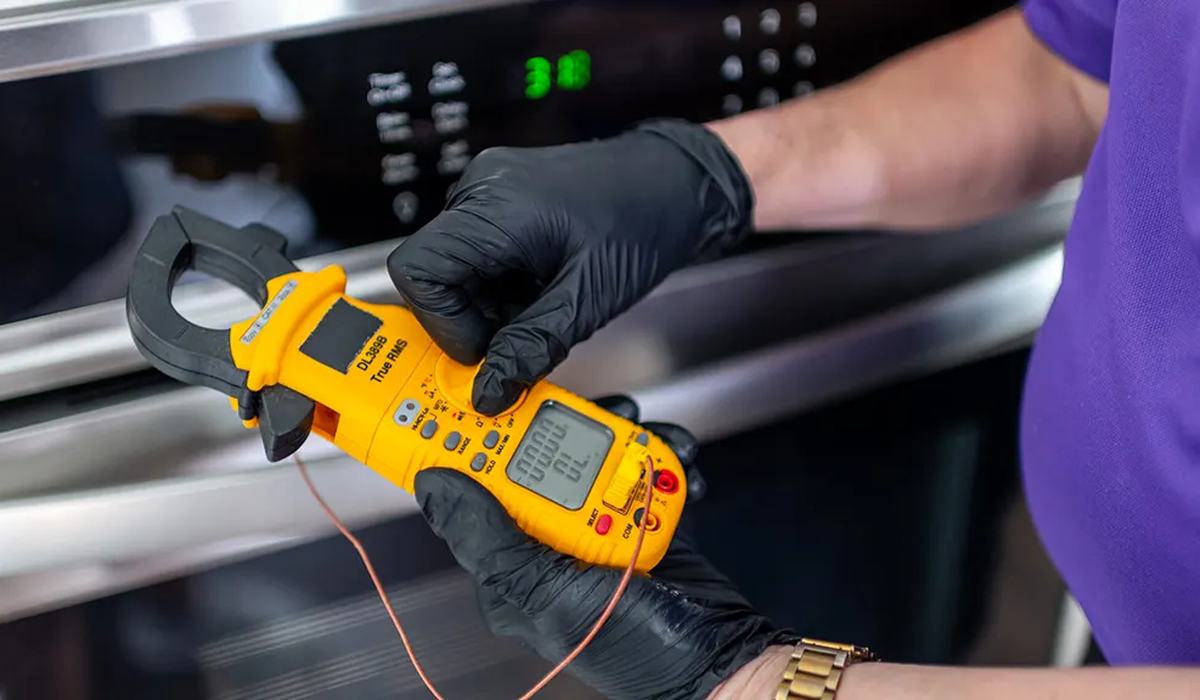
- Defrost heater — a burnt-out heater is the most common failure. It can be checked for continuity with a multimeter.
- Defrost thermostat — a small switch that closes when the coil is cold enough. If it fails open, the heater never runs.
- Defrost timer or control board — if the system is stuck in defrost, the compressor will not run and the fridge warms up.
Testing these needs a multimeter and, on most models, access behind the freezer’s rear panel. If you are comfortable with that, our guide to testing a refrigerator compressor with a multimeter covers the same technique.
3–6. The other causes
3. Door left open or blocked
An over-packed freezer can stop the door closing fully, and a door that is ajar for even a few minutes a day lets in a surprising amount of moisture. Check that nothing on the shelves or in the door bins is stopping the seal from seating.
4. Ice chute flap stuck open
On models with a through-door dispenser, a small flap covers the ice chute. If ice jams it open, warm air pours straight into the freezer. Frost around the dispenser is the giveaway — clear the jam and check the flap closes fully.
5. Temperature set too low
Setting the freezer below the recommended 0°F (−18°C) makes food over-freeze and can encourage frost. Check your setting — the freezer should be at 0°F and the fridge at 37°F (3°C).
6. High humidity or a hot room
A freezer in a hot, humid kitchen works harder and frosts faster. Keep it away from the oven and direct sun, and make sure there is a couple of inches of clearance behind it for airflow.
How to defrost properly
Once you have found and fixed the cause, clear the existing ice. Do not chip at it with a knife — you can puncture the evaporator and turn a small job into a refrigerant leak.
- Unplug the refrigerator, or switch it off at the breaker.
- Empty the freezer and move food to a cooler with ice.
- Leave the doors open and place towels and a shallow pan underneath.
- Let it melt naturally. Bowls of hot water on the shelves speed it up.
- Never use a knife, screwdriver or ice pick on the ice.
- Once clear, wipe everything dry, then plug it back in and let it reach temperature before restocking.
Parts that help
A defrost heater, defrost thermostat and a fridge thermometer are the parts that fix most frost problems. Check your model number before ordering.
Frequently asked questions
Is some frost in a freezer normal?
Why does my freezer frost up but the fridge is still cold?
How do I know if my defrost heater is bad?
Can I just defrost it and ignore the cause?
How often should a frost-free freezer need defrosting?
Related guides
Refrigerator Not Cooling? How to Fix It
Work through the seven most common causes in order.