Air Quality
Exhaust Fan for a Bathroom Without a Vent: 6 Options
A bathroom with no duct is the hardest case for a fan. Here are the six options that exist, what each one actually achieves, and which is worth your money.
Cleaner air in a sealed apartment — purifiers, filters and dust control that actually work in small spaces.
Apartments trap air. With windows that rarely open and shared ventilation, dust, cooking odours and allergens build up fast. These guides cover which purifiers genuinely work in rooms under 500 sq ft, how to size one correctly, and how to keep filters from becoming the problem.
A bathroom with no duct is the hardest case for a fan. Here are the six options that exist, what each one actually achieves, and which is worth your money.
A fan can still help a bathroom with no duct — but only if it has somewhere to push the air. Here is how to choose and place one so it actually works.
You cannot drill into a rental wall — but you can still move air. Here are the fan options that install in minutes and come out without a trace.
Not every 'renter-friendly' bathroom fan does what the listing implies. Here is which ones actually move moisture out, and which are just air circulators.
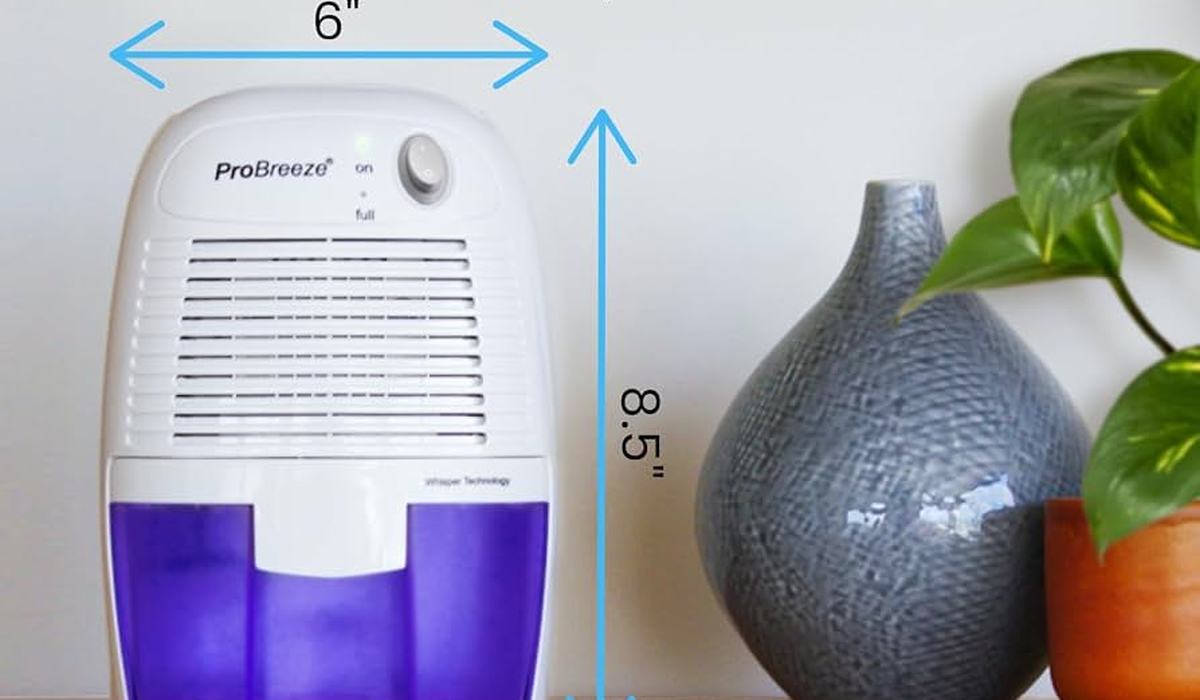
A bathroom with no vent is the hardest room in the flat to keep dry. A dehumidifier is the fix — but only if you size and place it correctly.
A vent-free bathroom needs a dehumidifier that is small enough to fit, quiet enough to live with, and easy enough to empty that you actually use it.
No window means no air path, which means a fan cannot help. A dehumidifier is the only tool that removes moisture from a sealed bathroom — here is how to choose one.
Without a fan, moisture has nowhere to go. A dehumidifier removes it directly — here is how to choose one and the routine that keeps the room dry.
The 30 minutes after a shower decide whether your bathroom grows mould. Here is exactly how to use a dehumidifier in that window.
If you cannot run a hose to a drain, you need a dehumidifier with a tank you can actually empty. Here is how to choose one that will not overflow.
400 square feet is a typical one-bedroom apartment. Here is the capacity you need, how to place it, and what it costs to run.
Sizing a dehumidifier is about area and damp level, not guesswork. Here is the chart, and how to read your own humidity in a minute.
Moisture absorbers are cheap, silent and popular. They also have a hard limit. Here is what they actually do in a bathroom, and when to use one.
Short answer: yes. But placement and refill timing decide whether it helps or just sits there. Here is how to get it right.
Passive dehumidifiers are silent, cheap and need no power. They also have a hard limit. Here is what they can and cannot do in a bathroom.
A dehumidifier is not an air freshener. But it does remove one of the things that makes pet odor stick to a room — and that changes everything.
It is a fair question, and the answer is more useful than a simple yes or no. Here is exactly what a dehumidifier does to pet smell — and what it cannot.
The answer depends entirely on one thing: whether the purifier has carbon. Here is how to tell, and how to set one up so it actually removes dog smell.
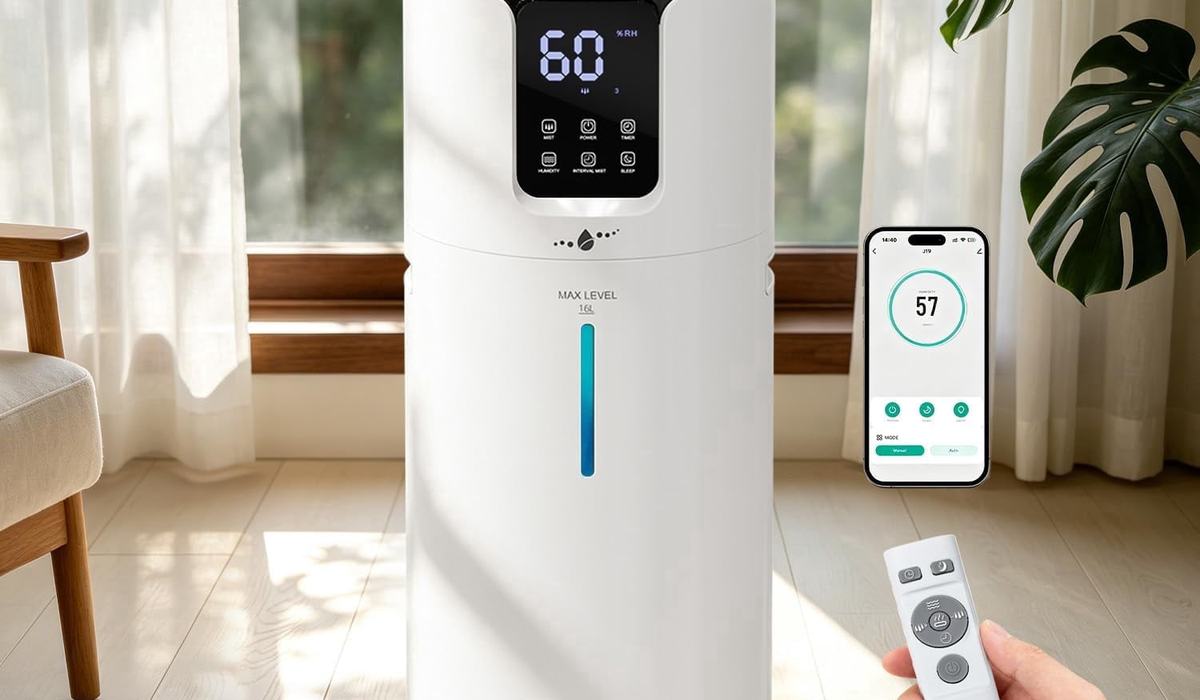
A humidifier that is hard to clean becomes a mould dispenser. Here is how to choose one you will actually keep clean, and how to clean it properly.
What each device actually does, and when one can cover for the other.
Three placements that work, two that waste it, and the clearance rules.
How much water a bathroom unit really pulls, and when it is not enough.
How to size a compact unit for a sealed, fanless bathroom.
What it fixes, what it cannot, and the routine that clears dog odour.