
Humidity & Ventilation
Best Desiccant Dehumidifier for a Cold Apartment (2026)
Why a desiccant dehumidifier beats a compressor in a cold apartment — how they work, sizing, noise and running cost, without the thermostat lockout.
Renter-friendly ways to dry a bathroom with no exhaust fan, size a dehumidifier for a wet vent-free room, and keep apartment humidity at 40-50%.

Apartments trap moisture. A bathroom with no exhaust fan, a windowless en-suite, or a wet room with no duct all push humidity above 60% — the level at which mould starts. These guides cover the renter-friendly fixes: window fans, dehumidifiers, moisture absorbers, and the routines that keep a sealed room dry.
Why a desiccant dehumidifier beats a compressor in a cold apartment — how they work, sizing, noise and running cost, without the thermostat lockout.

What an air purifier can and cannot do about mould in a dorm room — HEPA for spores, why moisture is the root cause, and pairing with a dehumidifier.

How to choose an air purifier and humidifier for a dorm room — combo vs separate units, sizing, placement, maintenance and running cost.

How to choose a dehumidifier for a small apartment bathroom — sizing, no-drain options, placement, safety and running cost, without drilling.

How to stop a damp apartment closet smelling musty — small dehumidifiers, moisture absorbers, sizing, placement and safety in a tight space.

Do you need a purifier and a humidifier in a nursery, and can one combo unit do both? Sizing, safety and renter-friendly picks explained.

How to choose a humidifier and air purifier combo for a baby's room: true HEPA, cool mist, sizing, safety and whether a combo is worth it.

A practical guide to pairing a humidifier and an air purifier for a baby: what each does, sizing, safety and renter-friendly picks.

How to pick a bedroom dehumidifier that is quiet enough to sleep beside, correctly sized for a small room, and easy to drain in a rental.

Small rooms need small dehumidifiers. Here is how to size one for a bedroom, closet or bathroom, and which type actually works in a cold rental.

A budget dehumidifier can still dry a small room properly. Here is what to spend, what to skip, and how to avoid the cheap units that waste power.
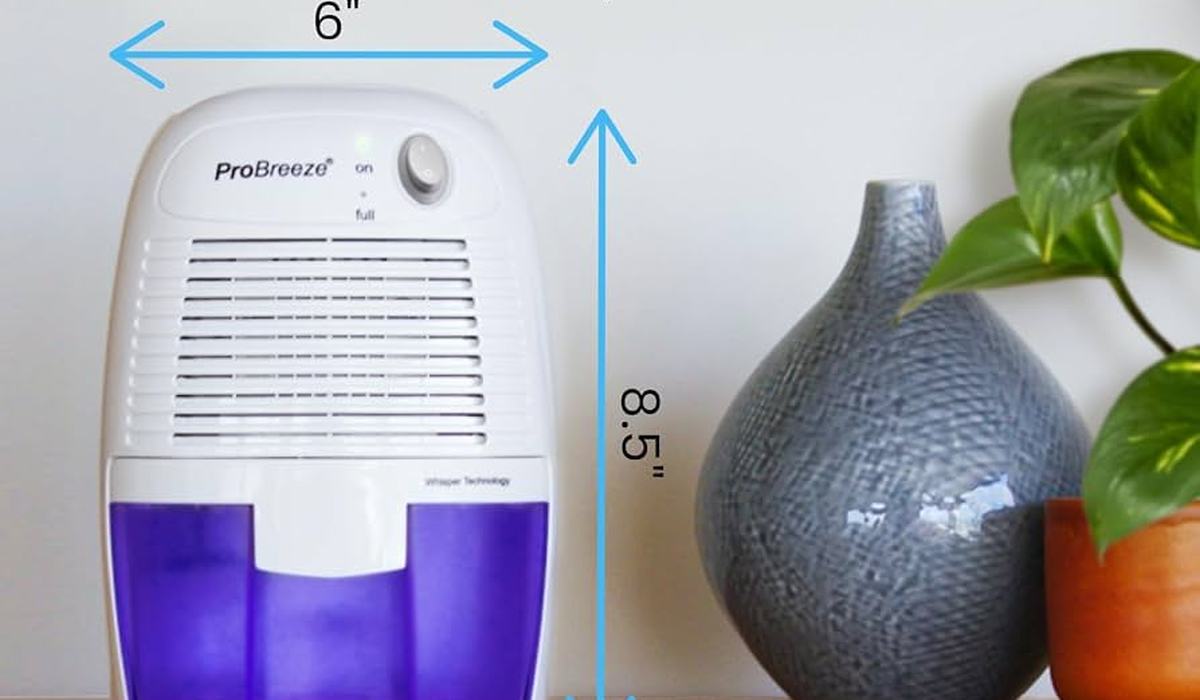
The two designs fail at opposite temperatures. Here is how to pick.
Pint ratings are tested at 80 F. Here is what they mean in your room.
Wattage, kWh and a monthly cost table for every duty cycle.

Gravity or pump, hose sizing and the flood-safety rules.
Filter, coils, tank and drain line, with a 30-minute routine.
A closet is a sealed box — most dehumidifiers are the wrong tool.
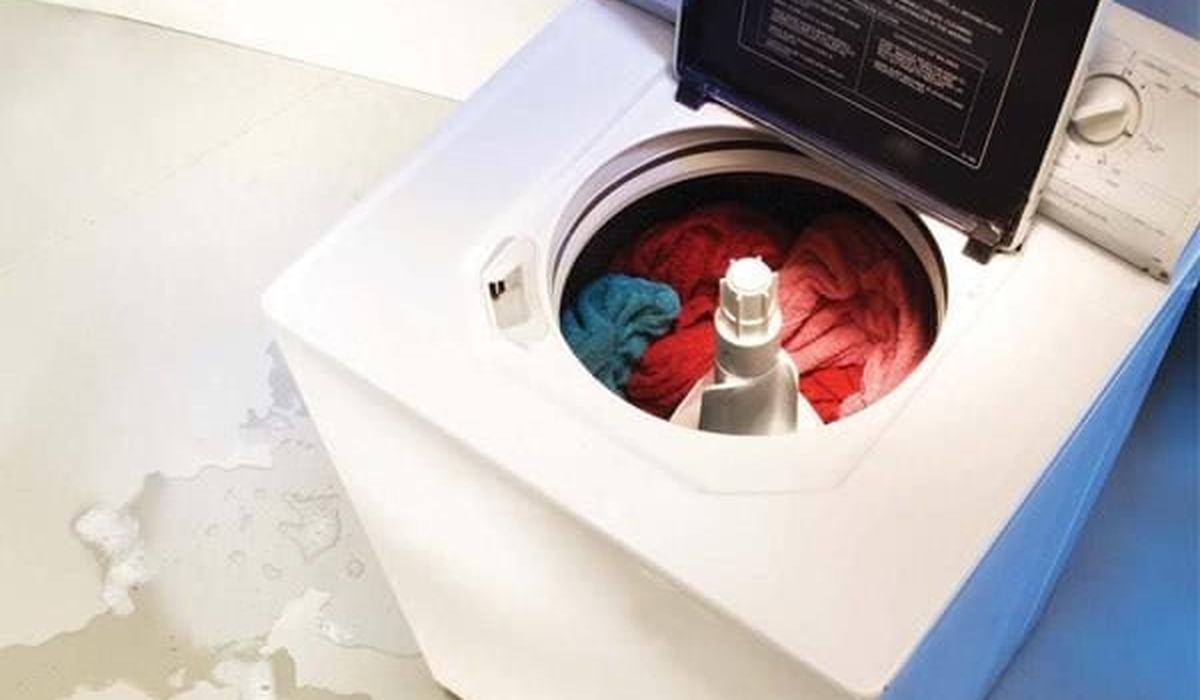
Every load adds pints of water. Here is the capacity and placement.

Set 50%. Here is why, and how to measure it properly.
Weight, noise, power and drainage rules for rental apartments.
How to check a recall, and the warning signs to act on.

A bathroom with no exhaust fan is not just annoying — it is the fastest route to mould, peeling paint and a lost security deposit. Here is what actually works when you cannot knock a hole in the wall.
When you rent, you cannot install a ducted fan — but you are not powerless. Here is how to handle a landlord, what the law usually says, and the fixes that leave no trace.
Most advice for a fanless bathroom is a list of gadgets. This is a ranked list of solutions, ordered by how much moisture each one actually removes.
Stale air, cooking smells that linger, and a bedroom that never feels fresh are all symptoms of the same problem. Here is how to fix apartment ventilation without touching the building.
A bathroom with no duct is the hardest case for a fan. Here are the six options that exist, what each one actually achieves, and which is worth your money.
A fan can still help a bathroom with no duct — but only if it has somewhere to push the air. Here is how to choose and place one so it actually works.
You cannot drill into a rental wall — but you can still move air. Here are the fan options that install in minutes and come out without a trace.
Not every 'renter-friendly' bathroom fan does what the listing implies. Here is which ones actually move moisture out, and which are just air circulators.
A bathroom with no vent is the hardest room in the flat to keep dry. A dehumidifier is the fix — but only if you size and place it correctly.
A vent-free bathroom needs a dehumidifier that is small enough to fit, quiet enough to live with, and easy enough to empty that you actually use it.
No window means no air path, which means a fan cannot help. A dehumidifier is the only tool that removes moisture from a sealed bathroom — here is how to choose one.
Without a fan, moisture has nowhere to go. A dehumidifier removes it directly — here is how to choose one and the routine that keeps the room dry.
The 30 minutes after a shower decide whether your bathroom grows mould. Here is exactly how to use a dehumidifier in that window.
If you cannot run a hose to a drain, you need a dehumidifier with a tank you can actually empty. Here is how to choose one that will not overflow.
400 square feet is a typical one-bedroom apartment. Here is the capacity you need, how to place it, and what it costs to run.
Sizing a dehumidifier is about area and damp level, not guesswork. Here is the chart, and how to read your own humidity in a minute.
Moisture absorbers are cheap, silent and popular. They also have a hard limit. Here is what they actually do in a bathroom, and when to use one.
Short answer: yes. But placement and refill timing decide whether it helps or just sits there. Here is how to get it right.
Passive dehumidifiers are silent, cheap and need no power. They also have a hard limit. Here is what they can and cannot do in a bathroom.
What each device actually does, and when one can cover for the other.
Three placements that work, two that waste it, and the clearance rules.
How much water a bathroom unit really pulls, and when it is not enough.
How to size a compact unit for a sealed, fanless bathroom.
The sizing chart, plus the three factors that override it.
Renter-friendly ways to dry a sealed bathroom without drilling.
How to ask in writing, what the law requires, and renter-safe fixes.
What the codes say, whether a window counts, and who enforces it.
No duct, no roof access, no drilling — how to dry it anyway.
No wiring, no drilling — compare the portable options.
How to choose, place, and run one in a rental.
Deposit-friendly fixes that need no permanent changes.
Humidity is the invisible variable behind most of the complaints in this site: the musty smell that keeps returning, condensation streaming down bedroom windows, allergies that worsen overnight, and mould creeping along a bathroom ceiling. Get humidity right and several other problems disappear on their own.
Aim for 40–50% relative humidity in winter and no more than about 55% in summer. Below 30% you get static, dry eyes and cracking woodwork; above 60% you are feeding dust mites and mould. A $12 hygrometer tells you which side of that line you are on — see how to reduce humidity in an apartment.
Renters cannot always add an extractor fan, but ventilation is not only about fans. Cross-ventilation for ten minutes twice a day, keeping internal doors open so air can move, and using a dehumidifier as a mechanical substitute all work — see bathroom ventilation without drilling and what to do with no exhaust fan.
| Situation | Best renter-safe move |
|---|---|
| Windowless bathroom, no fan | Small dehumidifier plus door left open after showers |
| Condensation on bedroom windows | Lower the room's humidity overnight; see preventing window condensation |
| Musty closet or wardrobe | Ventilate and add a small absorber — see closet dehumidifiers |
| Whole flat feels damp | Size a dehumidifier to the floor area; see how many pints you need |
In winter, cold surfaces make condensation worse even when absolute moisture is low, so the priority is ventilation and warmth. In summer, warm humid air holds more water, so the priority shifts to dehumidification and air conditioning. Our winter prep guide and mould prevention guide walk through both.